
Venice vs Milan Property Investment Guide Compared 2026
Venice vs Milan property 2026: lagoon STR caps vs Milan 3-5% yields, €4,500-7,500/m² Milan vs Venice UNESCO pricing, liquidity and business rental.
By Italian Estate Editorial · Updated June 16, 2026 · 14 min read
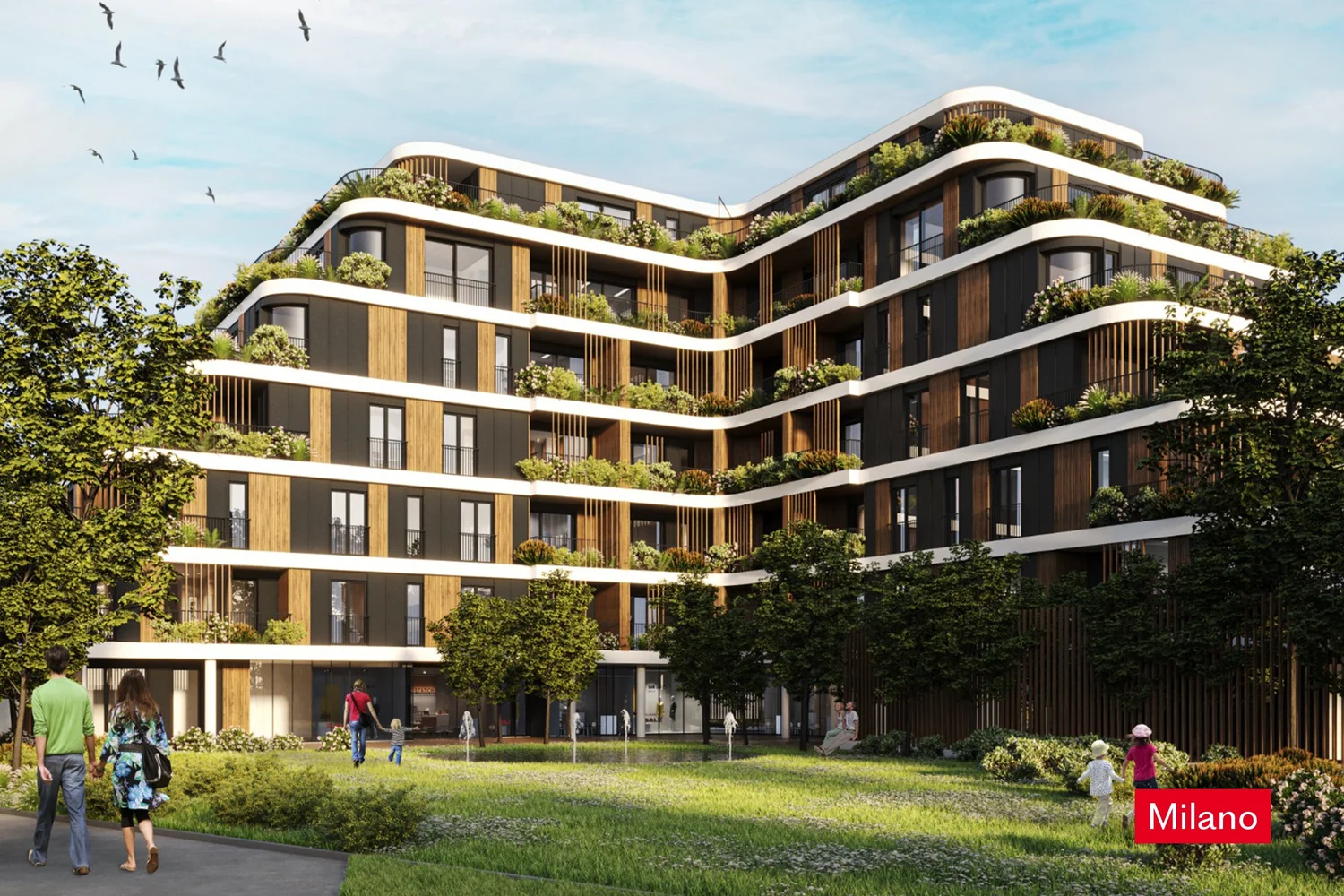
Quick answer: Venice and Milan are Italy’s starkest property contrast: lagoon heritage versus business capital. Milan averages €5,653/m² with 3-5% gross yields, year-round corporate tenants, and roughly 22% foreign buyer share in centro. Venice historic centre trades €4,500-8,500/m² on canal stock with strict STR caps, acqua alta maintenance, and 2.5-4% yields depending on CIN grandfather status. Milan wins on income, liquidity, and business rental. Venice wins on irreplaceable UNESCO address prestige for legacy holds.
City guides: Milan property investment guide and Italy property investment guide.
Quick Comparison: Venice vs Milan Property Investment 2026
Venice and Milan sit 2.5 hours apart by train yet operate as different asset classes. Milan is a euro-zone gateway city priced on payroll depth and institutional liquidity. Venice is a global museum city priced on scarcity and tourism, with municipal policy actively discouraging new tourist housing in the historic centre. The table frames the fork.
| Factor | Milan | Venice (centro) | Venice (Mestre) |
|---|---|---|---|
| Avg €/m² (2026) | €5,653 city | €4,500-8,500 | €2,800-3,800 |
| Long-term gross yield | 3-5% | 2.5-3.5% | 3.5-4.5% |
| STR gross yield | 4-5%+ compliant | 4-5% (grandfather CIN) | 4-5% |
| STR new registrations | Permitted with SCIA | Banned in dense centro | More open |
| Demand driver | Finance, fashion, EXPO legacy | Tourism, Biennale | Commuter + STR |
| Foreign buyer share | ~22% centro | High on trophy stock | Moderate |
| Resale time | 4-8 months prime | 8-18 months centro | 6-10 months |
| Environmental risk | Low | Acqua alta, humidity | Low |
| Off-plan supply | Strong | Minimal | Moderate |
Property Prices and Entry Points
Milan is Italy’s most expensive major city on city-wide averages. Immobiliare.it data cited in our Milan property investment guide put asking prices at €5,653/m² in April 2026. Brera, Porta Nuova, and Navigli trade €4,500-7,500/m²; Quadrilatero trophy stock exceeds €8,000/m².
Venice splits into two markets. Historic sestieri (San Marco, Dorsoduro, Cannaregio canals) command €4,500-8,500/m² for restored units with elevator and acqua alta barriers. Mestre and Marghera on the mainland offer €2,800-3,800/m² with normal vehicular access and fewer STR bans.
Price comparison by buyer profile
| Buyer type | Milan target zone | Venice target zone | Typical ticket |
|---|---|---|---|
| Corporate landlord | Isola, Porta Nuova | Not applicable | €450,000-750,000 |
| STR operator | Navigli, Corso Como | Mestre or grandfather CIN centro | €350,000-600,000 |
| Legacy collector | Brera palazzo floor | Canal-facing San Marco | €800,000-2,500,000 |
| Value investor | Rogoredo, San Donato | Mestre apartment | €250,000-400,000 |
A 100 m² Navigli apartment at €5,200/m² costs €520,000 before tax. A comparable Mestre unit at €3,200/m² costs €320,000 with train access to Venice Santa Lucia in 10-12 minutes. Historic centro at €6,500/m² costs €650,000 plus elevated maintenance.
Rental Yields: Business Milan vs Tourism Venice
Milan’s rental engine is corporate and academic. Long-term contracts in Isola, Porta Nuova, and near Bocconi achieve €28-45/m² monthly on modern stock. Gross yields of 3-5% sit on stable 12-month tenancies with lower seasonality than any lagoon address.
Venice’s income is tourism-dominated. Compliant STR in permitted zones can gross €120-350 nightly on two-bedroom apartments during Biennale and Carnevale peaks. However, centro STR caps mean many investors cannot replicate peak-year models on new purchases. Long-term residential yields fall to 2.5-3.5% because purchase prices embed UNESCO scarcity.
See Italy rental yield guide for national context and short-term rental rules Italy for CIN compliance.
Income modelling table
| Strategy | Milan gross | Venice centro gross | Venice Mestre gross |
|---|---|---|---|
| Long-term residential | 3-5% | 2.5-3.5% | 3.5-4.5% |
| Compliant STR | 4-5%+ | 4-5% (if CIN valid) | 4-5% |
| Seasonality | Low | High (60% summer peak) | Moderate |
| Void risk | Low | High winter unless STR | Lower than centro |
Net yields after IMU, management, platform fees, and 21% cedolare secca typically sit 1.5-2 points below gross in Milan and 2-3 points below gross in Venice centro when maintenance reserves for acqua alta are included.
Lagoon Regulations and STR Caps
Venice municipal policy explicitly prioritizes resident housing over tourist conversion in the historic centre. New short-term rental registrations face blocks in dense sestieri; existing CIN holders may operate under transitional rules, creating a two-tier market where grandfathered units command premiums.
Milan requires national CIN registration, SCIA filing for affitti brevi, and collects €9.50 per guest per night tourist tax, but does not ban centro STR outright. Condominium votes still kill many tourist-use plans, yet compliant inventory exists in Navigli, Isola, and Porta Romana.
Regulatory comparison
| Rule | Milan | Venice historic centre | Venice Mestre |
|---|---|---|---|
| New STR registrations | Allowed with SCIA | Blocked in dense zones | Generally allowed |
| CIN requirement | Yes | Yes | Yes |
| Tourist tax | €9.50/guest/night | Variable by season | Lower than centro |
| Resident housing policy | Neutral | Active deprioritization of STR | Neutral |
| Platform enforcement | National BDSR | Strict delisting | Standard |
Investors who require STR income should verify CIN transferability at notary stage. A Venice centro purchase without valid grandfather CIN may be long-term residential only, collapsing yield projections.
Business Rental and Corporate Demand
Milan absorbs Lombardy corporate relocations, fashion week overflow, and design fair tenants year-round. Salone del Mobile, Fashion Week, and permanent finance-sector hiring create demand unrelated to holiday calendars. Buildings in Porta Nuova and CityLife offer modern MEP systems corporate tenants expect.
Venice has no comparable corporate pipeline. Ca’ Foscari University and Biennale-related stays provide niche long-term demand, but landlords cannot rely on 12-month finance-sector contracts. Income strategies default to STR or mid-term academic lets with summer peaks.
For pure business rental exposure, Milan is the only choice between these two cities. Compare against Milan vs Rome property investment if tourism income also interests you.
Liquidity and Foreign Buyer Depth
Milan’s foreign buyer share near 22% of central transactions supports investor-to-investor resales in Brera, Navigli, and Porta Nuova. Marketing periods of 4-8 months on correctly priced stock are normal.
Venice centro sells to collectors, art-world buyers, and legacy families who accept illiquidity. Trophy canal apartments may take 8-18 months unless discounted. Mestre behaves more like a mainland commuter city with 6-10 month averages.
Foreign purchase rules match nationally: reciprocity for non-EU buyers, codice fiscale, notary rogito per buy property in Italy as a foreigner.
Physical Risks and Maintenance: Lagoon vs Urban
Venice properties face acqua alta flooding, salt humidity, timber pile foundations, and boat-access logistics that inflate operating costs. Ground-floor units need raised electrical systems and waterproof barriers. Budget 20-35% higher annual maintenance than Milan equivalents.
Milan faces standard urban building aging with fewer environmental extremes. Modern off-plan stock in Porta Nuova eliminates much maintenance uncertainty. Heritage Milan loft conversions still cost less to maintain than canal palazzi.
Insurance premiums for Venice centro exceed Milan on flood and humidity riders. Skipping structural surveys on Venice stock is a common foreign-buyer error.
Mestre vs Centro: The Venice Sub-Market Decision
Smart Venice investors often split the city mentally.
Mestre offers mainland infrastructure, parking, STR flexibility, and €2,800-3,800/m² pricing with 4-5% gross yields. Commuter train links reach Venice in 10 minutes, capturing tourism spillover without centro STR bans.
Historic centro offers canal views, UNESCO prestige, and Biennale adjacency at €4,500-8,500/m² with STR caps and acqua alta costs. Suitable for 15+ year legacy holds where personal use dominates ROI spreadsheets.
| Factor | Centro storico | Mestre |
|---|---|---|
| €/m² | €4,500-8,500 | €2,800-3,800 |
| STR new regs | Blocked (dense zones) | Open |
| Prestige | Maximum | Functional |
| Maintenance | High | Moderate |
| Yield | 2.5-4% | 3.5-4.5% |
Pros and Cons Summary
Milan property investment pros and cons
Pros: Year-round corporate and long-term rental demand, 3-5% gross yields on clean stock, 22% foreign buyer share supporting resale, modern off-plan in Porta Nuova and CityLife, and fewer flood or humidity maintenance costs than Venice.
Cons: Prime centro entry above €5,000/m², condominium rules can limit STR, and Jubilee-driven Rome competition for investor attention in 2026.
Venice property investment pros and cons
Pros: UNESCO canal prestige, Biennale and Carnevale demand spikes, Mestre sub-market offers STR-friendly entry near €3,000/m², and 15+ year legacy holds reward patient owners.
Cons: Centro STR bans in dense zones, acqua alta maintenance and insurance, 8-18 month resale on historic stock, and gross yields often 2.5-4% after compliance costs.
Decision Framework
Choose Milan if:
- You need 3-5% gross yields on year-round corporate or long-term tenants.
- Resale liquidity and 22% foreign buyer depth matter within 10 years.
- You want off-plan modern stock in Porta Nuova or CityLife.
- STR income is optional, not the entire thesis.
Choose Venice if:
- UNESCO canal address is the primary goal with 15+ year hold.
- You secured grandfather CIN or buy in Mestre for STR income.
- You accept acqua alta maintenance and 8-18 month resale timelines on centro.
- Personal use for Biennale and Carnevale weeks justifies lower net yield.
Choose neither alone if:
- Maximum yield is the goal. Southern Italy and Milan suburbs beat Venice on income. See best regions to invest in Italy 2026.
How this guide connects to the rest of the site
Continue with Milan property investment guide, Milan Navigli area guide, Milan vs Rome comparison, short-term rental rules Italy, Italy rental yield guide, and Italy property investment guide.
Ready to compare Venice and Milan with CIN status, yield models, and lagoon risk pre-screened? Get a curated shortlist of Italian investment properties matched to whether you prioritize corporate income or UNESCO legacy.
Closing verification checklist
Use this Italy buyer checklist before compromesso signature or any wire to a notaio escrow account. Your independent avvocato should verify every line; the selling agent does not represent you at rogito.
Identity and tax setup. Confirm codice fiscale is issued and matches passport spelling exactly. Non-EU buyers need MAECI reciprocity confirmation in writing from the notaio file before deposit release. Open an Italian bank account or confirm your foreign bank can wire large euro sums with documented purpose codes.
Title and cadastral consistency. Request visura catastale storica and compare room counts, surface area, and category class against the on-site geometra survey. Mismatches between APE certificates, listing floor plans, and cadastral maps trigger registration delays and tax reassessments. Search for abusi edilizi (unauthorised works) on pools, terraces, and roof conversions; regularisation fines can exceed €10,000 on rural stock.
Condominium and municipal debts. Obtain certificato di regolarità contributi from the building administrator and verify no pending condominium lawsuits. Check IMU arrears and municipal service charges with the Comune; unpaid debts can transfer to the buyer after rogito.
Rental and licensing. If income matters, verify CIN (Codice Identificativo Nazionale) transferability or obtain a new CIN before marketing. Read condominium regolamento for tourist-use bans. Confirm SCIA or CIL filings for any structural work completed in the last five years. Model cedolare secca at 21% long-term or 26% short-term on gross rent, not net screenshots from listing portals.
Closing economics. Budget registration tax at 9% on second homes (2% only with prima casa and residency registration within 18 months). Add notary fees of 1% to 2%, agent commission if applicable, geometra survey, and mortgage bank costs. Wire only to the notaio conto provvisorio; never to seller personal accounts.
Exit planning. Italian plusvalenza may apply on sales within five years of purchase. Keep F24 payment receipts, renovation invoices, and rogito copies for capital gains calculations in Italy and your home country. If you hold through a company structure, confirm annual corporate filings and IVAFE exposure before year-end.
Remote purchase. Apostilled power of attorney must match the exact property description in compromesso. Allow two to three weeks for consular legalisation if buying from abroad. Schedule rogito only after mortgage perizia approval and abusi clearance are documented in writing.
Cross-check regional rules in our due diligence Italy property, cost of buying property Italy, and short-term rental rules Italy guides before final offer. Insider tip: Model both cities with identical capital and hold period before choosing — per sqm gaps often reverse after IMU, cedolare secca, and vacancy assumptions.
Frequently Asked Questions
Milan suits investors who want 3-5% gross yields, corporate rental demand, and resale liquidity. Venice suits legacy buyers who accept STR caps, acqua alta risk, and 2.5-4% yields for UNESCO prestige.
Milan averages €5,653/m² with prime at €4,500-7,500/m². Venice centro trades €4,500-8,500/m²; Mestre offers €2,800-3,800/m².
Milan long-term gross yields run 3-5% year-round. Venice STR can reach 4-5% with grandfather CIN but centro caps limit new operators. Milan wins on predictable income.
Venice blocks new short-term tourist rentals in dense historic sestieri. Existing CIN holders may operate under transitional rules. Mestre allows more STR flexibility.
Milan dominates with finance and fashion sector tenants. Venice lacks corporate depth; tourism and academia drive demand with heavy seasonality.
Milan resells in 4-8 months on prime stock. Venice centro can take 8-18 months unless priced for collectors. Mestre moves faster without canal premium.
Venice faces acqua alta, humidity, and foundation subsidence with 20-35% higher maintenance. Milan faces standard urban risks.
Mestre offers lower entry, fewer STR bans, and 4-5% yields. Centro offers canal prestige at €4,500-8,500/m² with STR caps and higher maintenance.
Yes. EU citizens buy on equal terms. Non-EU buyers need reciprocity treaties. Both use notary rogito and 9-11% closing costs.
Get an Italy property shortlist
Tell us your budget and region (Tuscany, Lake Como, Puglia, Milan, Sardinia). We reply within one business day with options matched to your goals.