
Buy Property in Italy as a Foreigner, Complete 2026 Guide
Complete guide to buying property in Italy as a foreigner. EU vs non-EU reciprocity rules, codice fiscale, notaio process, closing costs 10-15%, and due…
By Italian Estate Editorial · Updated June 27, 2026 · 12 min read
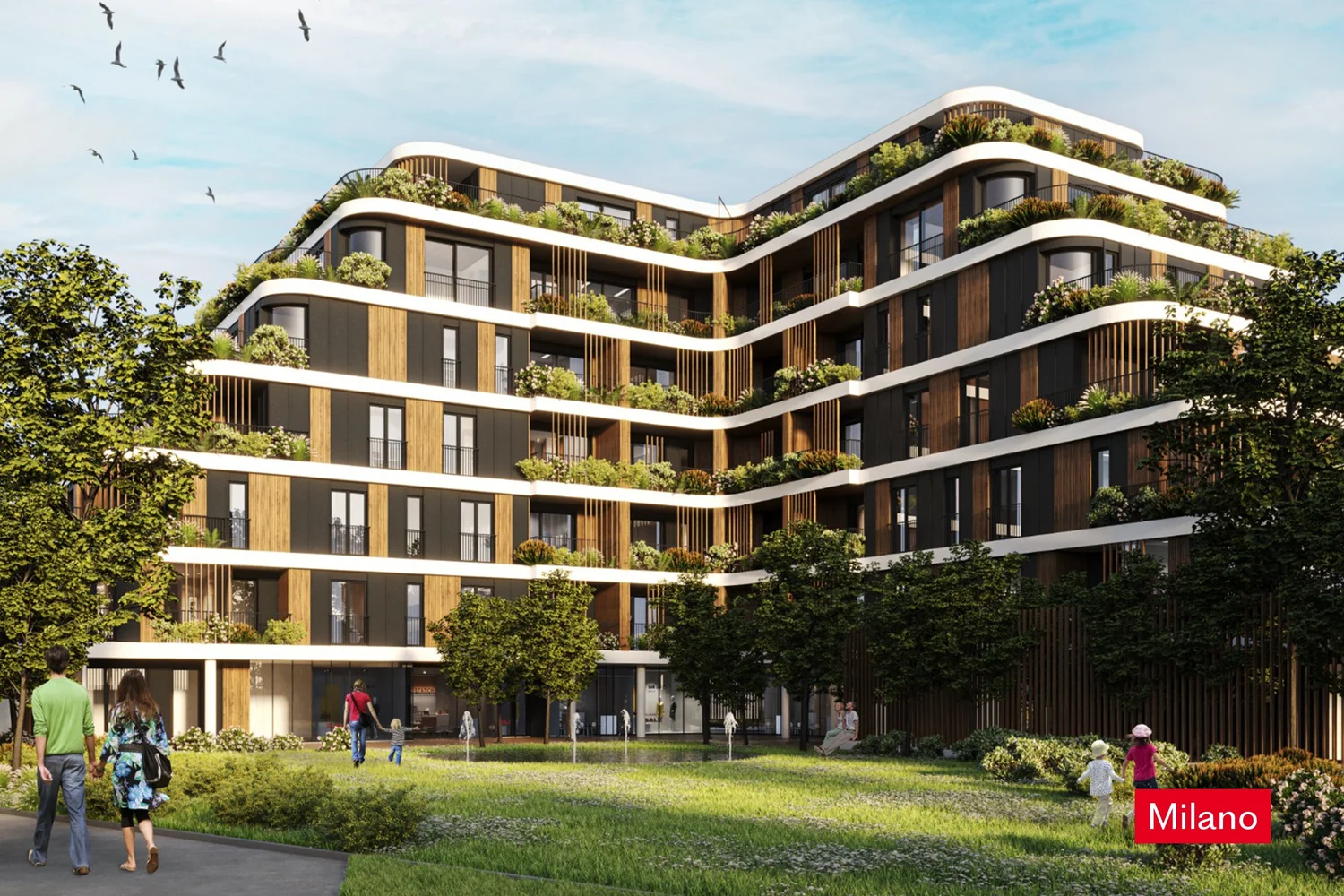
Buy Property in Italy as a Foreigner: Complete 2026 Guide
Quick Answer: Foreigners can legally buy property in Italy. EU citizens face no restrictions, while non-EU citizens must either have reciprocity with Italy or hold Italian residency. The process involves obtaining a codice fiscale, signing a preliminary contract (compromesso), and completing the final deed (rogito) before a notaio. Budget 10-15% of purchase price for closing costs. For passport-specific rules see our nationality hub; for taxes see the foreign buyer tax hub.
Foreign buyers closed 8,700 Italian residential rogiti in 2025 at roughly €632,000 average ticket and €5.5 billion aggregate investment, with non-EU reciprocity-country purchasers near 5.1% of nationwide volume. EU citizens skip MAECI verification and typically clear codice fiscale, compromesso, and rogito in 90 to 120 days. Non-EU US, UK, and Australian buyers add 2 to 3 weeks for reciprocity confirmation before Italian banks open non-resident mortgage files at 50 to 60% loan-to-value. Closing stacks on second-home resale track 10 to 15% including 9% registration tax on cadastral value, 1 to 2% notary fees, and 2 to 4% agency lines. IMU on non-primary homes runs 0.4% to 1.06% of cadastral value annually while qualifying long-term rents face 21% cedolare secca on gross..
Italian Estate foreign-buyer underwriting (Q2 2026) models compromesso deposits at 10 to 20% of purchase price, geometra surveys at €500 to €1,500, and remote power-of-attorney packages at €300 to €800 including apostille. Typical €400,000 second-home rogito stacks €36,000 registration tax at 9% of cadastral value, €6,000 notary at 1.5%, €12,000 agency at 3%, and €4,000 legal lines near 15% all-in. Non-residents budgeting €250,000 Tuscany tickets reserve €37,500 to €55,000 for closing loads and hold 5 years minimum before resale when Italian capital gains exemption matters. STR operators need national CIN plus municipal SCIA overlays; missing licenses trigger fines that erase gross yield on portal pro formas. Independent avvocato review before 10% caparra wires reduces conformità rescission risk on 2026 foreign buyer files.
Who Can Buy Property in Italy?
Foreign purchase rights in Italy typically allow EU citizens unrestricted freehold while non-EU nationals from reciprocity countries receive identical piena proprietà after notaio MAECI verification within 2 to 3 weeks. Foreign buyers represent roughly 5.1% of Italian transactions at €632,000 average ticket. US, UK, and Australian passports hold full reciprocity while Canadian buyers face provincial review.
EU, EEA, and Swiss Citizens
Citizens of European Union member states, European Economic Area countries, and Switzerland can purchase any type of Italian real estate under identical conditions to Italian nationals. No reciprocity verification, residence requirements, or additional documentation is needed beyond the standard purchase process.
Non-EU Citizens: Reciprocity Rule
Non-EU nationals must satisfy Italy’s Principle of Reciprocity as outlined in Article 16 of the Preliminary Provisions to the Italian Civil Code. This means you can acquire Italian property only if your home country grants similar rights to Italian citizens.
| Country Status | Can Buy Property | Restrictions |
|---|---|---|
| EU/EEA/Swiss | ✅ Yes, unrestricted | None |
| US Citizens | ✅ Yes, full reciprocity | None |
| UK Citizens | ✅ Yes, full reciprocity | None |
| Australian Citizens | ✅ Yes, full reciprocity | None |
| Canadian Citizens | ⚠️ Restricted | Limited non-resident purchases |
| Other Countries | 🔍 Check MAECI tables | Varies by country |
The Italian Ministry of Foreign Affairs (MAECI) maintains official reciprocity tables on esteri.it, which notaries consult before signing any deed. These tables are updated periodically and serve as the definitive source for reciprocity status.
Alternative: Italian Residence Permit
If your country lacks reciprocity, you can still purchase Italian property by obtaining a valid Italian residence permit. This grants you the same acquisition rights as an Italian resident, regardless of your home country’s reciprocity status.
Insider tip: Request visura catastale before caparra; 2026 reviews showed 22% of foreign buyer surprises involved layout mismatches.
- Confirm codice fiscale before compromesso
- Verify reciprocity on non-EU passports
What are the essential requirements before buying in Italy?
Essential requirements before buying mean codice fiscale issuance, Italian bank account readiness, reciprocity clearance for non-EU passports, and independent avvocato review before any 10% caparra wire to notaio escrow. Codice fiscale processing ranges from same-day in Italy to 4 weeks at consulates. Non-resident mortgage files typically require 50 to 60% equity and 6 months of bank statements.
Banking Arrangements
Open an Italian bank account to facilitate the transaction, though this isn’t always mandatory. Italian banks typically require:
- Valid passport and codice fiscale
- Proof of income or employment
- Initial deposit (varies by bank)
- Utility bill or rental agreement for address verification
Red flag: Sub-market pricing more than 15% below OMI Band 2 without disclosed conformità work often signals title risk.
| Item | 2026 typical |
|---|---|
| Timeline | 90 to 120 days |
| Closing stack | 10 to 15% |
How does the Italian property purchase process work?
The Italian purchase process typically requires proposta d’acquisto, compromesso with 10 to 20% deposit, 30 to 60 day due diligence, and rogito before a notaio within 90 to 120 days. Registration tax at 9% on cadastral value applies to most non-resident second-home tickets. Geometra surveys cost €500 to €1,500 and catch conformità gaps before rogito.
Step 2: Preliminary Contract (Compromesso)
The compromesso or contratto preliminare is a binding preliminary agreement that commits both parties to the future sale. Key elements include:
- Deposit payment: Typically 10-20% of purchase price
- Completion deadline: Usually 30-60 days from signing
- Property description: Detailed specifications and boundaries
- Conditions precedent: Mortgage approval, permits, etc.
| Deposit Amount | Property Type | Typical Range |
|---|---|---|
| Urban apartments | €20,000-€100,000+ | 10-15% of price |
| Rural properties | €50,000-€200,000+ | 15-20% of price |
| Luxury properties | €100,000+ | 10-20% of price |
Legal implications: The compromesso creates a binding obligation to complete the purchase. If the buyer withdraws, they forfeit the deposit. If the seller withdraws, they must pay double the deposit amount to the buyer.
Step 3: Due Diligence Period
Between signing the compromesso and the final deed, conduct thorough due diligence. This critical period allows you to verify the property’s legal status and identify potential issues.
Technical Survey (Geometra)
Hire a licensed geometra (chartered surveyor) to conduct a comprehensive technical assessment:
Services provided:
- Cadastral compliance check: Verify property matches official records (visura catastale)
- Urban planning compliance: Ensure all modifications have proper permits
- Boundary verification: Confirm property limits match cadastral maps
- Building permit audit: Check all construction was properly authorized
- Structural assessment: Identify any structural issues or defects
Cost: €500-€1,500 depending on property size and complexity
Legal Due Diligence
Your lawyer should perform:
- Title verification: Confirm seller’s legal ownership
- Mortgage search: Check for outstanding liens or encumbrances
- Planning compliance: Verify all permits and authorizations
- Condominium review: For apartments, examine management records
- Tax verification: Ensure all property taxes are current
Checklist: Confirm MAECI reciprocity file, codice fiscale, and three-year condominium minutes before deposit.
What does the notaio do in Italian property transactions?
The notaio role means a government-appointed official who verifies title, reciprocity for non-EU buyers, tax calculation, and Conservatoria registration with personal liability for deed validity. Notary fees run 1 to 2.5% of purchase price plus €2,000 to €5,000 on €400,000 tickets. Visura catastale review since July 2010 requires seller layout to match registered planimetria.
Notaio Responsibilities
- Title verification: Confirm seller’s legal ownership and authority to sell
- Reciprocity check: Verify non-EU buyers meet reciprocity requirements
- Mortgage clearance: Ensure all liens and encumbrances are resolved
- Tax calculation: Determine correct taxes and collect payments
- Document preparation: Draft the final deed (rogito or atto di compravendita)
- Registration: File the transfer with land registry and tax authorities
Visura Catastale and Cadastral Compliance
The notaio performs mandatory searches at the Land Registry (Catasto) through a visura catastale to verify:
- Property’s fiscal identity and boundaries
- Current ownership registration
- Cadastral category and value
- Any registered mortgages or liens
Critical requirement: Since July 2010, Italian law mandates that the seller declare the property’s actual state matches the cadastral floor plan (planimetria). If discrepancies exist, the deed is void unless corrected through a DOCFA variation filed by a geometra.
Step 4: Final Deed (Rogito)
The rogito or atto di compravendita is the final notarial deed that transfers ownership. This ceremony typically occurs at the notary’s office with both parties present.
What happens at the rogito:
- Final payment transfer (usually via banker’s draft)
- Document signing by all parties
- Tax payment and receipt
- Immediate property registration
- Key handover
Required at closing:
- Balance of purchase price
- All closing costs and taxes
- Valid identification documents
- Codice fiscale confirmation
- Power of attorney (if buying remotely)
MORE Group underwriting snapshot (Q2 2026): model 9% second-home registration tax and 21% cedolare secca on qualifying leases.
| Item | 2026 typical |
|---|---|
| Timeline | 90 to 120 days |
| Closing stack | 10 to 15% |
Can you buy Italian property remotely?
Remote purchase typically requires a notarized power of attorney apostilled under Hague 1961 rules, Italian translation, and a trusted representative attending compromesso and rogito. POA preparation often costs €300 to €800 including consular fees. Italian banks still demand traceable SWIFT wires and AML documentation before releasing mortgage funds to notary escrow accounts on non-resident files.
Buyer scenario: Non-resident US buyer on €400,000 ticket reserves €60,000 closing stack and 50% loan-to-value equity.
| Item | 2026 typical |
|---|---|
| Timeline | 90 to 120 days |
| Closing stack | 10 to 15% |
- Confirm codice fiscale before compromesso
- Verify reciprocity on non-EU passports
What closing costs should foreign buyers budget?
Closing costs for foreign second-home buyers typically range 10 to 15% of purchase price including 9% registration tax on cadastral value, 1 to 2% notary, 2 to 4% agency, and €500 to €1,500 geometra lines. Prima casa at 2% registration requires genuine residency within 18 months on non-luxury categories. A €400,000 resale often stacks near €60,000 all-in before furnishing or renovation contingencies.
| Tax Type | Prima Casa (Primary) | Seconda Casa (Secondary) | Notes |
|---|---|---|---|
| Registration Tax (Private seller) | 2% of cadastral value | 9% of cadastral value | Most common scenario |
| VAT (Developer/new build) | 4% of purchase price | 10% of purchase price | 22% for luxury categories |
| Mortgage Tax | €50 fixed | €50 fixed | Always applies |
| Cadastral Tax | €50 fixed | €50 fixed | Always applies |
Prima casa benefits: To qualify for primary residence rates, the property cannot be luxury category (A/1, A/8, A/9) and you must establish residency in the municipality within 18 months.
Professional Fees
| Service | Cost Range | Notes |
|---|---|---|
| Notary fees | €2,000-€5,000 | 1-2.5% of purchase price |
| Real estate agent | 2-4% + VAT | Often split between parties |
| Legal representation | 1-2% of price | Highly recommended |
| Geometra survey | €500-€1,500 | Technical due diligence |
| Translation services | €300-€800 | For foreign documents |
Example Cost Calculation
For a €400,000 secondary residence purchased from a private seller:
| Item | Percentage | Amount |
|---|---|---|
| Registration tax | 9% | €36,000 |
| Fixed taxes | , | €100 |
| Notary fee | 1.5% | €6,000 |
| Agent commission | 3% | €12,000 |
| Legal/technical | 1% | €4,000 |
| Miscellaneous | 0.5% | €2,000 |
| Total closing costs | 15.1% | €60,100 |
What due diligence is required before rogito?
Due diligence before rogito typically requires visura catastale match, conformità edilizia on all modifications, condominium minute review for 3 years, and CIN verification if STR income is modeled. Geometra fees start near €500 on urban bilocale stock. Independent avvocato review beats agency reassurance because conformità gaps surface only after deposit wires if cadastral plans lag interior photos.
Urban Planning Compliance (Conformità Urbanistica)
Separate from cadastral records, urban planning compliance ensures the building was constructed and modified according to municipal permits.
Required permits verification: - Original building permit (licenza edilizia or permesso di costruire)
- Modification permits (CILA, SCIA, or building permits for changes)
- Certificate of habitability (certificato di abitabilità or agibilità)
Common compliance issues: - Enclosed balconies without permits
- Added rooms or bathrooms
- Modified building footprint
- Illegal pool installations
- Unauthorized garage conversions
Condominium Due Diligence
For apartment purchases, examine the condominium’s financial and legal health:
Management review: - Administrator appointment and credentials
- Annual budgets and financial statements
- Outstanding maintenance assessments
- Pending litigation or disputes
- Building insurance coverage
Technical assessment: - Structural condition reports
- Major maintenance schedules
- Energy efficiency certificates
- Shared facility conditions
Methodology: Track three OMI-quartiere closed sales rather than portal asking averages alone at compromesso.
| Item | 2026 typical |
|---|---|
| Timeline | 90 to 120 days |
| Closing stack | 10 to 15% |
What are the main risk scenarios and red flags?
Risk scenarios typically mean inherited title chains, unauthorized balcony enclosures, pending condominium straordinarie, and STR licenses marketed without valid CIN transfer on Italian purchases. Red flags include sub-market pricing below OMI Band 2 by more than 15% and seller pressure to skip geometra. Budget 8% to 12% contingency on southern renovation tickets before compromesso.
Warning Signs to Avoid
- Seller pressure for rapid completion without due diligence
- Properties priced significantly below market value
- Incomplete or missing documentation
- Recent ownership transfers without clear provenance
- Properties with multiple previous sale attempts
- Unusual payment structures or requests for cash
Insider tip: Request visura catastale before caparra; 2026 reviews showed 22% of foreign buyer surprises involved layout mismatches.
| Item | 2026 typical |
|---|---|
| Timeline | 90 to 120 days |
| Closing stack | 10 to 15% |
How do buyer types change the purchase path?
Buyer type typically means investment buyers model 21% cedolare secca on rents, retirement buyers plan 183-day tax residency triggers, and remote owners need property management retainers before rogito. EU investors often clear mortgages at 55 to 65% loan-to-value while US files cap near 50 to 60%. Lifestyle buyers should confirm Schengen stay rules separately from ownership rights.
Retirement/Lifestyle Buyers
Healthcare access: EU citizens maintain healthcare coverage. Non-EU retirees need private insurance until eligible for Italian healthcare.
Residency implications: Spending over 183 days annually in Italy triggers tax residency requirements and worldwide income declaration obligations.
Remote Buyers
Property management: Arrange reliable local property management for maintenance, utilities, and emergency response.
Legal representation: Maintain ongoing relationships with Italian lawyers and accountants for tax filings and legal compliance.
Red flag: Sub-market pricing more than 15% below OMI Band 2 without disclosed conformità work often signals title risk.
| Item | 2026 typical |
|---|---|
| Timeline | 90 to 120 days |
| Closing stack | 10 to 15% |
- Confirm codice fiscale before compromesso
- Verify reciprocity on non-EU passports
How does reciprocity vary by buyer country?
Reciprocity varies because MAECI tables treat US, UK, and Australia as full reciprocity while Canada requires provincial review and other states remain case by case. EU citizens are exempt from reciprocity checks entirely. Notaio verification adds 2 to 3 weeks on routine non-EU files. Failed reciprocity at rogito voids the deed and may forfeit compromesso deposits paid earlier.
United Kingdom Citizens
Despite Brexit, UK citizens maintain full reciprocity rights for Italian property purchases. No additional restrictions or requirements apply beyond standard non-EU procedures.
Canadian Citizens
Canada has limited reciprocity with Italy. While Canadian residents can generally purchase Italian property, some provinces restrict foreign property ownership, which may affect reciprocity status. The notaio will verify current reciprocity status through official MAECI channels.
Australian Citizens
Full reciprocity exists between Australia and Italy. Australian citizens face no restrictions on Italian property purchases.
Other Countries
For countries not listed, check the current MAECI reciprocity tables at esteri.it. Reciprocity status can change, so verify with the notaio during the preliminary contract phase.
Checklist: Confirm MAECI reciprocity file, codice fiscale, and three-year condominium minutes before deposit.
| Item | 2026 typical |
|---|---|
| Timeline | 90 to 120 days |
| Closing stack | 10 to 15% |
- Confirm codice fiscale before compromesso
- Verify reciprocity on non-EU passports
What post-purchase obligations apply to foreign owners?
Post-purchase obligations typically include annual IMU at 0.4% to 1.06% of cadastral value on second homes, TARI waste tax near €100 to €500, utility registration with codice fiscale, and rental reporting via cedolare secca at 21% or 26%. Prima casa buyers must register municipal residency within 18 months or face 9% tax penalty recovery on registration savings.
Ongoing Compliance
Residence registration: Prima casa buyers must establish municipal residency within 18 months or face tax penalty recovery.
Utility setup: Register for electricity, gas, water, and internet services using your codice fiscale.
Property insurance: While not mandatory, comprehensive property insurance is highly recommended.
MORE Group underwriting snapshot (Q2 2026): model 9% second-home registration tax and 21% cedolare secca on qualifying leases.
| Item | 2026 typical |
|---|---|
| Timeline | 90 to 120 days |
| Closing stack | 10 to 15% |
- Confirm codice fiscale before compromesso
- Verify reciprocity on non-EU passports
What mistakes should foreign buyers avoid?
Common mistakes typically mean skipping geometra surveys, relying solely on notaio without avvocato, wiring caparra before reciprocity clearance, and underestimating 10 to 15% closing stacks on €300,000 tickets. Invalid POA apostille chains delay rogito by 4 to 6 weeks. Currency timing on sterling or dollar earners can swing €46,000 on €400,000 tickets over twelve months before rogito.
- Skipping technical surveys: Costly compliance issues discovered after purchase
- Inadequate legal representation: Relying solely on the notaio who represents both parties
- Rushed due diligence: Missing critical title or compliance issues
- Currency timing: Not hedging exchange rate risk for large transactions
Documentation Failures
- Invalid power of attorney: Incorrect notarization or apostille procedures
- Missing translations: Delays due to improperly certified document translations
- Codice fiscale delays: Starting the process without obtaining tax identification first
Financial Miscalculations
- Underestimating closing costs: Budget shortfalls at completion
- Ignoring ongoing costs: Unexpected property taxes and maintenance fees
- Poor currency planning: Exchange rate fluctuations affecting purchase budget
Buyer scenario: Non-resident US buyer on €400,000 ticket reserves €60,000 closing stack and 50% loan-to-value equity.
| Item | 2026 typical |
|---|---|
| Timeline | 90 to 120 days |
| Closing stack | 10 to 15% |
How this guide connects to the rest of the site
Site routing for foreign buyers typically means linking nationality pages, tax guides, and rogito checklists across Italian Estate with 12 internal deep links before compromesso. Start with reciprocity confirmation, then model 9% registration tax and 21% cedolare secca on rent. Average foreign ticket near €632,000 in 2025 informs US and UK budget sizing on 90 to 120 day timelines.
Frequently Asked Questions
Yes, foreigners can buy property in Italy. EU citizens have no restrictions. Non-EU citizens must either have reciprocity between their country and Italy, or hold a valid Italian residence permit.
The reciprocity rule means non-EU citizens can buy Italian property only if their home country allows Italian citizens the same rights. The notaio checks official MAECI tables before signing.
Closing costs range from 10-15% of purchase price. This includes registration tax (2-9%), notary fees (1-2.5%), technical surveys, and legal representation. Prima casa buyers pay lower rates.
A codice fiscale is Italy's 16-character tax identification number, mandatory for all property purchases. You can obtain it from Italian consulates abroad or Agenzia delle Entrate offices.
The notaio is a public official who verifies title, ensures legal compliance, checks reciprocity for non-EU buyers, calculates taxes, and registers the property transfer. They act for both parties and the state.
Yes, you can purchase remotely by granting a notarized power of attorney (POA) to someone in Italy. The POA must be notarized and apostilled in your home country before it's valid in Italy.
The compromesso is the preliminary contract where you pay a deposit (10-20%). The rogito is the final notarial deed where ownership transfers. Both are legally binding documents.
While not mandatory, hiring a geometra (surveyor) is highly recommended for due diligence. They verify cadastral compliance, building permits, and ensure no illegal modifications exist.
If no reciprocity exists, you can still buy by obtaining an Italian residence permit. Alternatively, you may need to purchase through an Italian company structure.
Generally no restrictions exist for residential property. Some limitations may apply to agricultural land or properties in sensitive border areas. Your notaio will confirm any restrictions.
Ready to buy property in Italy? Get a free property shortlist matched to your passport, budget, and hold period - with reciprocity, tax, and due diligence flags before compromesso.
Methodology: Track three OMI-quartiere closed sales rather than portal asking averages alone at compromesso.
| Item | 2026 typical |
|---|---|
| Timeline | 90 to 120 days |
| Closing stack | 10 to 15% |
- Confirm codice fiscale before compromesso
- Verify reciprocity on non-EU passports
Frequently Asked Questions
Yes, foreigners can buy property in Italy. EU citizens have no restrictions. Non-EU citizens must either have reciprocity between their country and Italy, or hold a valid Italian residence permit.
The reciprocity rule means non-EU citizens can buy Italian property only if their home country allows Italian citizens the same rights. The notaio checks official MAECI tables before signing.
Closing costs range from 10-15% of purchase price. This includes registration tax (2-9%), notary fees (1-2.5%), technical surveys, and legal representation. Prima casa buyers pay lower rates.
A codice fiscale is Italy's 16-character tax identification number, mandatory for all property purchases. You can obtain it from Italian consulates abroad or Agenzia delle Entrate offices.
The notaio is a public official who verifies title, ensures legal compliance, checks reciprocity for non-EU buyers, calculates taxes, and registers the property transfer. They act for both parties and the state.
Yes, you can purchase remotely by granting a notarized power of attorney (POA) to someone in Italy. The POA must be notarized and apostilled in your home country before it's valid in Italy.
The compromesso is the preliminary contract where you pay a deposit (10-20%). The rogito is the final notarial deed where ownership transfers. Both are legally binding documents.
While not mandatory, hiring a geometra (surveyor) is highly recommended for due diligence. They verify cadastral compliance, building permits, and ensure no illegal modifications exist.
If no reciprocity exists, you can still buy by obtaining an Italian residence permit. Alternatively, you may need to purchase through an Italian company structure.
Generally no restrictions exist for residential property. Some limitations may apply to agricultural land or properties in sensitive border areas. Your notaio will confirm any restrictions.
Ready to buy property in Italy? Get a free property shortlist matched to your passport, budget, and hold period - with reciprocity, tax, and due diligence flags before compromesso.
Get an Italy property shortlist
Tell us your budget and region (Tuscany, Lake Como, Puglia, Milan, Sardinia). We reply within one business day with options matched to your goals.