
Can Foreigners Buy Property in Italy? Rights & Rules 2026
Yes, foreigners can buy Italian property with full ownership rights. EU citizens buy freely; non-EU need reciprocity check. No quota, no investment visa.…
By Italian Estate Editorial · Updated June 14, 2026 · 13 min read
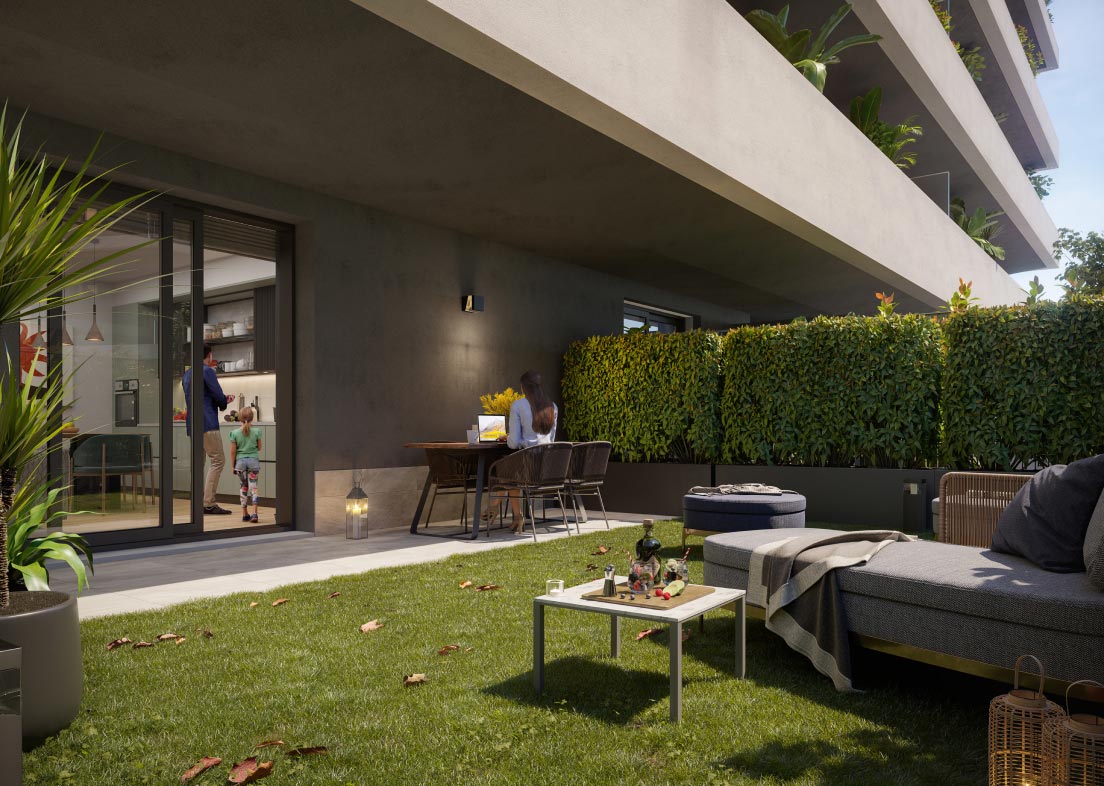
Quick answer: Yes. EU citizens can buy Italian property freely with full ownership rights. Non-EU citizens (including Americans, British, Australians) can buy under reciprocity agreements that grant identical ownership rights. No investment minimum, no buyer quotas. Foreign buyers represent 5.1% of Italian property transactions with full piena proprietà registration.
If you searched “can foreigners buy property in Italy,” you want legal certainty and practical differences. The legal answer is yes for qualified foreign nationals; EU and reciprocity-country buyers receive identical piena proprietà at the Conservatoria. Practical gaps sit in banking depth, tax treaties, and documentation timelines, not in title type.
For the complete purchase process including notaio procedures and costs, see our foreign buyer guide. For investment analysis and market data, read our Italy property investment guide.
Foreign nationals purchasing Italian residential property receive piena proprietà registered at the Conservatoria when reciprocity rules confirm their home country grants Italians equivalent rights, and foreign buyers represented 5.1% of residential transactions in recent national data. EU citizens skip reciprocity checks but still need codice fiscale before compromesso, while US, UK, and Australian buyers follow the same rogito path after the notaio confirms Ministry of Foreign Affairs tables within 2 to 3 weeks. No investment minimum or quota applies to standard urban apartments in Tuscany, Puglia, or Lombardy lakes markets when listings sit above €50,000 studios or €900,000 Milan tickets, and avvocato review before deposit remains the main safeguard the neutral notaio cannot supply on mid-market files before agency deposits on typical €250,000 to €500,000 second-home resales.
Non-EU purchasers from reciprocity countries wire typical closing stacks of 10% to 15% above list price on second homes, including 9% registration tax on a €300,000 resale plus notary fees near 1.25% and agency commission at 3% plus 22% VAT. Italian banks lend non-residents roughly 50% to 70% loan-to-value when income is documented abroad, and corporate ownership through an SRL remains optional for portfolio buyers who accept €2,000 to €8,000 annual compliance costs. Border-zone properties within 150km of sensitive frontiers require clearance, but mainstream foreign lifestyle purchases in Tuscany, Puglia, or lake Como rarely encounter those restrictions when avvocato screens listings before compromesso deposits near 10% of price on tickets between €250,000 and €500,000 across typical 60 to 90 day closings.
What Does Italian Property Law Allow Foreign Buyers to Do?
Italian property law allows foreign nationals to hold piena proprietà on standard urban stock when reciprocity or EU citizenship tests pass, meaning a €250,000 Puglia trullo and a €900,000 Milan flat share one Conservatoria path. EU citizens buy freely; US, UK, and Australian buyers receive identical certificates once codice fiscale is issued.
| Question | EU Citizens | Non-EU Citizens |
|---|---|---|
| Can buy residential property? | Yes, freely | Yes, if reciprocity exists |
| Ownership type | Full freehold (piena proprietà) | Full freehold (piena proprietà) |
| Registration process | Standard at Conservatoria | Standard at Conservatoria |
| Investment minimum | None | None |
| Need Italian residency? | No | No |
| Regional restrictions | Border zones only | Border zones only |
- Foreign buyers accounted for 5.1% of Italian residential transactions in recent national reporting.
- The notaio verifies reciprocity administratively; eligibility is not negotiable with the seller.
- Border zones within 150km of certain frontiers need security clearance before rogito.
Buyer scenario: A British post-Brexit buyer purchasing a €400,000 Umbria farmhouse follows the same piena proprietà registration as an Italian resident once reciprocity confirmation clears.
Which Countries Qualify Under Italy’s Reciprocity Rules?
Italy’s reciprocity rules require that a non-EU buyer’s home country allows Italians to purchase property on comparable terms, and the notaio requests Ministry confirmation in 2 to 3 weeks for US, UK, Canadian, and Australian nationals. Russia and China face limited or corporate-only paths while Japan and Switzerland qualify with full piena proprietà.
| Country | Reciprocity Status | Ownership Rights | Notes |
|---|---|---|---|
| United States | Yes | Full piena proprietà | Strong bilateral agreement |
| United Kingdom | Yes | Full piena proprietà | Post-Brexit status maintained |
| Australia | Yes | Full piena proprietà | Comprehensive reciprocal treaty |
| Canada | Yes | Full piena proprietà | Federal and provincial recognition |
| Japan | Yes | Full piena proprietà | Modern bilateral framework |
| Switzerland | Yes | Full piena proprietà | Non-EU but strong ties |
| Norway | Yes | Full piena proprietà | EEA relationship maintained |
| Russia | Limited | Case-by-case review | Restricted due to current relations |
| China | Limited | Corporate structures often used | Individual cases reviewed |
- Major reciprocity countries rarely delay rogito beyond standard 60 to 90 day closing windows.
- New bilateral agreements periodically expand the qualified country list.
- Corporate buyers from limited-reciprocity states often use Italian SRL structures instead.
Methodology: Ask the notaio to start reciprocity confirmation the week you sign compromesso, not the week before rogito.
What Property Types Can Foreigners Buy in Italy?
Italian law allows foreign buyers to hold urban flats, villas, and sub-2 hectare rural homes when reciprocity or EU tests pass, while larger agricultural plots and sensitive border bands need extra clearance on €80,000 Sicily studios through €3M lake estates. Superintendence permits govern vincoli renovations but not purchase rights for qualified foreign nationals registering piena proprietà.
| Property Type | EU Citizens | Non-EU (Reciprocity Countries) | Restrictions |
|---|---|---|---|
| Urban residential apartments | Freely | Freely | None |
| Urban villas and townhouses | Freely | Freely | None |
| Rural residential (under 2 hectares) | Freely | Freely | None |
| Agricultural land (over 2 hectares) | Restricted | Restricted | EU farming requirements |
| Border zone property | Restricted | Restricted | Security clearance needed |
| Historic properties (vincoli) | Yes with permits | Yes with permits | Superintendence approval |
- Lifestyle buyers typically stay under the 2 hectare agricultural threshold automatically.
- Coastal tourism stock in Puglia and Liguria remains freely available to qualified foreigners.
- Illegal abusivismo discovery is a due diligence issue, not an ownership ban.
Red flag: Rural listings with olive groves need olive-tree compliance certificates before deposit, not after rogito.
How Do Foreign Buyers Obtain a Codice Fiscale?
A codice fiscale is Italy’s mandatory 16-character tax identifier that every foreign buyer on a rogito must hold before compromesso or bank account opening, with consulates issuing it free in 1 to 4 weeks and Italian counters often printing same-day certificates. Late codes delay more closings than notary availability.
| Codice Fiscale Requirement | Detail |
|---|---|
| Who needs it | Every foreign buyer named on the deed |
| Application location | Italian consulate or Agenzia delle Entrate office |
| Required documents | Passport, proof of birth date/place |
| Processing time | Same day in Italy, 2-4 weeks at consulates |
| Cost | Free |
| Validity | Permanent, no renewal needed |
- Joint buyers each need a separate codice fiscale; one code cannot cover two names.
- Proxy filings through an avvocato take 2 to 5 days after apostilled passport copies arrive.
- Banks refuse account opening without the code appearing in Agenzia databases.
Checklist: Apply 45 days before planned rogito, or use a proxy if the consulate queue exceeds your closing date.
How Do EU and Non-EU Purchase Processes Compare?
EU and qualified non-EU buyers receive identical piena proprietà at the Conservatoria, but non-EU purchasers add 2 to 3 weeks for reciprocity confirmation and deeper anti-money laundering files before Italian banks open accounts. Mortgage loan-to-value for non-residents typically caps at 50% to 70% versus up to 80% for Italian residents.
| Process Element | EU Citizens | Non-EU (Reciprocity Countries) |
|---|---|---|
| Ownership type received | Piena proprietà | Piena proprietà |
| Conservatoria registration | Standard process | Standard process |
| Codice fiscale required | Yes | Yes |
| Reciprocity verification | Not needed | Notaio requests confirmation |
| Banking documentation | Standard EU procedures | Enhanced due diligence |
| Mortgage availability | Standard terms | Typically 50-70% LTV |
| Tax treaty benefits | Automatic | Depends on home country treaty |
- Source-of-funds proof intensifies for cash wires above €100,000 on non-EU files.
- Tax treaty benefits vary; US and UK treaties often reduce double taxation on rental income.
- Power of attorney closings still require personal bank KYC at least once for many lenders.
Buyer scenario: A Swiss EU buyer opens a Milan account in one visit; a US buyer should budget two bank appointments plus translated income packs.
Where Do Foreign Buyers Concentrate by Region?
Foreign buyer concentration typically shows Puglia near 25% transaction share and Sicily near 22%, Tuscany near 15% on €300,000 to €2M lifestyle stock, Lombardy lakes near 12% on €400,000 to €3M tickets, compared with 5.1% foreign share nationally in recent Conservatoria reporting for residential resales across all regions.
| Region | Foreign Buyer Share | Primary Nationalities | Average Price Range |
|---|---|---|---|
| Tuscany | ~15% | US, UK, German | €300k - €2M+ |
| Lombardy (Lakes) | ~12% | Swiss, German, UK | €400k - €3M+ |
| Liguria (Riviera) | ~18% | French, UK, Russian | €250k - €1.5M |
| Rome/Lazio | ~8% | US, UK, French | €200k - €1M+ |
| Sicily | ~22% | UK, German, French | €80k - €500k |
| Puglia | ~25% | UK, German, Dutch | €100k - €800k |
- Higher foreign share correlates with English-speaking avvocato and agency depth.
- Resale liquidity improves where 15%+ foreign share persisted for five or more years.
- Emerging southern regions trade lower entry prices for thinner winter rental demand.
Methodology: Compare foreign share tables against your exit plan before buying purely for yield in low-liquidity comuni.
Which Documents Do Foreign Buyers Need Before Purchase?
Foreign purchase files typically require passport copies, codice fiscale, Italian bank statements, and 3 years of income proof before any 10% compromesso on a €300,000 listing, with non-EU buyers adding 2 to 3 weeks for reciprocity inside the notaio file. Avvocato letters should precede the first deposit wire.
| Document Category | EU Citizens | Non-EU Citizens | Timeline |
|---|---|---|---|
| Identity verification | EU passport/ID | Passport + visa status | Before codice fiscale |
| Tax identification | Codice fiscale | Codice fiscale + reciprocity | 2-4 weeks lead time |
| Banking setup | Italian bank account | Italian bank account + enhanced KYC | 2-6 weeks |
| Financial proof | Income/asset statements | Enhanced source of funds | Before preliminary contract |
| Legal representation | Italian lawyer required | Italian lawyer required | Before any deposits |
- Cash purchases above €100,000 trigger extended source-of-funds documentation at banks.
- Remote buyers may use procura speciale for rogito but rarely for first account opening.
- Translation and apostille bundles add €200 to €500 per document set for non-EU buyers.
Checklist: Bundle passport, codice fiscale, and 6 months of bank statements before your first agency viewing trip.
What Costs and Taxes Apply to Foreign Owners?
Foreign non-residents typically pay 9% registration tax on second-home resales, pushing total closing costs to 15% to 22% above a €300,000 list price while residents may reach 2% prima casa after empadronamento within 18 months. IMU runs 0.4% to 1.06% of cadastral value on non-primary units each year.
| Cost Category | First Home (Residents) | Second Home/Investment | Foreign Non-Residents |
|---|---|---|---|
| Registration tax | 2% | 9% | 9% |
| Mortgage tax | 0.25% | 2% | 2% |
| Cadastral tax | €50 | €50 | €50 |
| Notaio fees | 0.8-2% of value | 0.8-2% of value | 0.8-2% of value |
| Legal fees | 1-2% | 1-2% | 1-2% |
| Agent commission | 2-3% | 2-3% | 2-3% |
| Total estimated | 4-7% | 15-22% | 15-22% |
- Rental income faces 21% cedolare secca for many non-resident landlords or progressive IRPEF bands.
- Wealth reporting may apply on high-value coastal stock above €1 million cadastral thresholds.
- See the cost of buying property in Italy guide for line-item preventivi.
Red flag: Assuming 2% registration tax without residency proof exposes foreign buyers to 9% reassessment plus penalties.
Which Restrictions Rarely Affect Residential Foreign Buyers?
Residential restriction rules are rarely binding for qualified foreign buyers because sensitive border bands cover only part of the Alps and most Tuscany, Puglia, and Liguria searches use urban or sub-2 hectare rural stock on €250,000 to €1M tickets outside clearance zones. Vincoli regulate renovation pace, not ownership, after reciprocity confirms eligibility for foreign nationals.
| Restriction Type | Scope | Impact on Residential Buyers |
|---|---|---|
| Border zone limitations | Within 150km certain borders | Rare for lifestyle properties |
| Agricultural land rules | Holdings over 2 hectares | Avoided by buying under threshold |
| Historic building controls | Properties with vincoli | Ownership permitted, renovation restricted |
| EU agricultural policy | Farming operations | Not applicable to residential use |
| Strategic asset controls | Defense-related properties | Never affects residential |
- Superintendence approval adds months to renovation timelines but does not block purchase.
- Abusivismo remediation stays a seller obligation during due diligence, not a foreign ban.
- Avvocato screening catches most border-zone issues before compromesso on €300,000 lifestyle tickets.
Methodology: Map your shortlist against the 150km border clearance map before paying a 10% deposit on Alpine adjacent land.
How Does Banking and Financing Work for Foreign Buyers?
Italian banks lend foreign buyers 50% to 70% loan-to-value on second homes when codice fiscale, appraisal, and 3 years of home-country income files are complete, with interest premiums near 0.5% to 2% above resident pricing on €200,000 to €800,000 tickets. Pre-approval before compromesso prevents deposit loss if mortgage timing slips.
| Banking Element | Italian Residents | EU Non-Residents | Non-EU Non-Residents |
|---|---|---|---|
| Maximum LTV | Up to 80% | 60-70% typical | 50-70% typical |
| Income verification | Italian tax returns | Home country tax docs | Enhanced documentation |
| Interest rates | Standard variable/fixed | Premium of 0.5-1.5% | Premium of 1-2% |
| Banking relationship | Simple setup | EU passport sufficient | Full due diligence required |
| Property insurance | Required | Required | Required + extended coverage |
- Closings allow 60 to 90 days, but foreign mortgage files often need 12 weeks.
- Some buyers refinance in their home country to avoid Italian LTV caps entirely.
- Appraisal fees run €300 to €800 on coastal and rural properties.
Methodology: Secure written pre-approval before signing compromesso with a mortgage suspensive clause.
How Do Lifestyle and Investment Buyer Profiles Differ?
Lifestyle foreign buyers often hold €200,000 to €800,000 Tuscany or Umbria homes for 10+ years with 2% to 4% annual appreciation, while rental investors target €150,000 to €500,000 coastal stock aiming for 3% to 6% gross yields before 15% to 22% transaction costs. Restoration buyers budget €50,000 to €300,000 plus 25% contingency on permits.
| Buyer Profile | Typical Budget | Primary Regions | Hold Strategy | Key Risks |
|---|---|---|---|---|
| Lifestyle/Retirement | €200k-€800k | Tuscany, Umbria, Sicily | Long-term personal use | Maintenance, local services |
| Luxury lifestyle | €800k-€3M+ | Lakes, Rome, Florence | Mixed use/status | High carrying costs |
| Rental investment | €150k-€500k | Coastal, tourism areas | Income generation | Tourist regulation changes |
| Restoration project | €50k-€300k | Rural Tuscany, Sicily | Value-add renovation | Permit complexity, cost overruns |
- Exit liquidity averages 12 to 24 months on rural unique stock versus 6 to 12 months in international hubs.
- Transaction costs materially reduce IRR on holds under five years.
- Regulation changes on STR licensing hit investors harder than pure lifestyle owners.
Buyer scenario: A Dutch couple buying a €280,000 Puglia trullo for personal use faces different tax elections than a UK STR investor on the same street.
What Are Common Myths About Foreign Ownership in Italy?
Common myths still claim non-EU bans or €500,000 minimums, yet reciprocity law in 2026 allows purchases from €50,000 studios with 5.1% foreign share nationally and no investor visa attached to the rogito for US, UK, or Australian buyers. Foreign purchasers should verify Ministry tables instead of relying on outdated forum posts before wiring deposits.
| Myth | Reality 2026 |
|---|---|
| ”Non-EU citizens cannot buy” | False, reciprocity system allows most developed nations |
| ”You need €500k minimum investment” | False, no minimum purchase threshold exists |
| ”Property purchase grants residency” | False, Italy has no investor visa program |
| ”Only EU citizens get mortgages” | False, banks lend to non-EU with higher requirements |
| ”Tuscany is off-limits to Americans” | False, Americans actively buy with reciprocity |
| ”You must be resident to buy” | False, non-residents buy regularly |
- Americans and British buyers remain active in Tuscany and Puglia under reciprocity.
- Notaio neutrality does not replace buyer-side avvocato negotiation.
- Codice fiscale is mandatory even when you never become tax resident.
Red flag: Agencies citing banned nationalities usually have not checked current Ministry reciprocity tables.
Which Regions Attract the Most Foreign Buyers?
Regional foreign demand means Puglia peaks near 25% share and Sicily near 22%, with Tuscany pricing from €300,000 to €2M+ for US and UK buyers and Liguria offering €250,000 to €1.5M coastal stock with strong French presence. Rome and Lazio average near 8% foreign share on €200,000 to €1M urban flats.
| Region | Highlight | Typical foreign budget |
|---|---|---|
| Tuscany | Chianti lifestyle, renovation stock | €300k-€2M+ |
| Lombardy Lakes | Como premium communities | €400k-€3M+ |
| Liguria | Riviera coastal flats | €250k-€1.5M |
| Sicily | Affordability, 22% foreign share | €80k-€500k |
| Puglia | 25% foreign share, trulli | €100k-€800k |
- Ostuni and Carovigno lead Puglia search data for UK and German buyers.
- Lake Como retains Swiss buyer depth with faster euro-denominated closings.
- Urban Lecce offers lower seasonality than pure coastal STR plays.
Methodology: Match region to exit audience: international hubs resell faster to foreign buyers than isolated rural masserie.
What Is the Legal Timeline From Search to Ownership?
A foreign purchase timeline typically spans 4 to 6 months from codice fiscale through rogito when reciprocity and mortgage files run together, including 4 to 8 weeks of due diligence after compromesso on a €300,000 home and 60 to 90 days from deposit to keys. Bank KYC abroad causes more slippage than notary scheduling for non-EU foreign buyers.
| Timeline Phase | Duration | Key Activities | Foreign Buyer Considerations |
|---|---|---|---|
| Pre-search setup | 2-6 weeks | Codice fiscale, bank account, lawyer | Start early; consulate delays possible |
| Property search | Variable | Viewings, market research, offers | Consider seasonal access to rural properties |
| Preliminary contract | 1-2 weeks | Compromesso signing, deposit payment | Reciprocity verification begins |
| Due diligence | 4-8 weeks | Title search, permits, surveys | Extended for historic properties |
| Mortgage approval | 6-12 weeks | Bank processing, valuation, approval | Longer for non-EU buyers |
| Final closing | 1 week | Rogito at notaio, registration, keys | All parties must attend or grant POA |
- Reciprocity and mortgage approval sit on the critical path for non-EU buyers.
- Historic vincoli properties add 4 to 12 weeks for Superintendence reviews.
- See how to buy Italy property step by step for rogito detail.
Checklist: Start reciprocity and mortgage the same week you sign compromesso, not after due diligence finishes.
What Due Diligence Steps Should Foreign Buyers Take?
Due diligence for foreign buyers requires Conservatoria title proof, conformità review, and condominium minute checks before a 10% compromesso on €250,000 to €1M listings, with avvocato and geometra teams costing near 1% to 2% of price. Foreign purchasers who skip visura catastale inherit abusivismo liability at rogito when illegal extensions transfer with the deed.
| Due Diligence Element | Standard Check | Foreign Buyer Focus |
|---|---|---|
| Title verification | Conservatoria search | Chain of title clarity |
| Planning compliance | Commune permits check | Renovation/extension rights |
| Tax status | Cadastral classification | IMU/TASI implications |
| Debt attachments | Mortgage/lien search | Clear title for registration |
| Building permits | Construction legality | Avoid future demolition risks |
| Condominium status | Administrator reports | Shared costs and restrictions |
- Geometra conformità reports cost €500 to €1,500 on typical apartments.
- Abusivismo findings should be cured by the seller before deposit release.
- Full procedures appear in due diligence Italy property.
Red flag: Skipping visura catastale before deposit transfers illegal extension liability to the buyer at rogito.
When Should Buyers Use Corporate Ownership Structures?
Corporate ownership through an Italian SRL means limited liability at €2,000 to €8,000 annual compliance cost, which suits foreign investors with multiple rentals above €500,000 aggregate value more than a single €320,000 Ostuni flat held personally. Setup adds 4 to 8 weeks before the first corporate rogito.
| Ownership Structure | Benefits | Obligations | Best For |
|---|---|---|---|
| Personal ownership | Simple, direct control | Personal tax obligations | Single owner, clear succession |
| Italian SRL | Limited liability, tax planning | Annual accounts, board meetings | Multiple investors, rental business |
| EU holding company | Tax treaty benefits | Complex compliance | High-value, multi-property holdings |
| Trust structures | Privacy, succession planning | Professional management required | Wealth preservation, family office |
- SRL setup adds 4 to 8 weeks before the first rogito in corporate name.
- Personal ownership remains default for first-time foreign lifestyle buyers.
- Commercialista advice is essential before electing cedolare secca inside corporate books.
Buyer scenario: Three US friends buying a €600,000 Puglia masserie STR may prefer SRL; one UK couple buying a €320,000 Ostuni flat usually stays personal.
How Is Rental Income Taxed for Foreign Owners?
Rental income for non-resident foreign owners typically faces progressive IRPEF bands from 23% to 43% or 21% cedolare secca where eligible, plus IMU already assessed on cadastral value of the same €300,000 Ostuni flat generating €18,000 gross STR revenue. Withholding may apply on payments to non-EU landlords.
| Tax Treatment | Italian Residents | Non-Residents (EU) | Non-Residents (Non-EU) |
|---|---|---|---|
| Rental tax rate | 21% cedolare secca option | Progressive rates 23-43% | Progressive rates 23-43% |
| Tax treaties | Not applicable | Often available | Varies by country |
| Withholding | Not required | May apply | May apply |
| Filing requirements | Annual return | Annual return | Annual return |
| Social contributions | May apply | Generally not | Generally not |
- Property managers often withhold and remit tourist taxes at comune level separately.
- Management fees of 8% to 15% of gross rent reduce taxable base when documented.
- Treaty relief varies; US and UK treaties commonly reduce double taxation on net rent.
Methodology: Model net rent after IMU, management, and 21% flat tax before comparing purchase yields.
What Insurance Do Foreign Owners Need in Italy?
Building insurance for foreign owners typically costs €400 to €800 annually on a €300,000 coastal flat and is required by mortgage lenders, while contents and public liability policies add €200 to €500 for STR operators hosting 16+ guest weeks per year. Extended vacancy riders matter for non-resident owners.
| Insurance Type | Legal Requirement | Recommended Coverage | Foreign Owner Considerations |
|---|---|---|---|
| Building insurance | Mortgage lenders require | Full replacement value | Extended vacancy coverage |
| Contents insurance | Optional | Personal property protection | International coverage limits |
| Civil liability | Condominium may require | Public liability protection | Higher limits for rental properties |
| Legal expenses | Optional | Property dispute coverage | Language barrier protection |
- STR policies should cover public liability above €1 million for guest claims.
- Some insurers bundle emergency call-out for absentee owners.
- Flood and coastal storm riders matter on Polignano or Monopoli stock.
Checklist: Confirm STR coverage excludes unlicensed CIN operations before peak season bookings start.
How Should Non-Resident Owners Handle Property Management?
Non-resident management typically costs foreign owners 8% to 15% of gross rent or €100 to €300 monthly maintenance on €250,000 to €600,000 Puglia and Tuscany homes, and integrated avvocato plus commercialista oversight on one manager retainer reduces missed CIN renewals and IMU filings compared with split vendors abroad.
| Management Service | Typical Cost | Service Scope | Selection Criteria |
|---|---|---|---|
| Full property management | 8-15% rental income | Complete oversight | Local reputation, English capability |
| Maintenance only | €100-€300 monthly | Upkeep, emergency response | Technical expertise, responsiveness |
| Rental management | 10-20% rental income | Marketing, guest services | Tourism market knowledge |
| Legal/tax compliance | €1,000-€3,000 annually | Filings, regulatory updates | Professional qualifications |
- Split vendors increase risk of missed CIN renewals or tourist tax remittance.
- Year-round caretaking prevents mold and burglary on vacant trulli.
- Managers should hold local SCIA familiarity for your comune.
Buyer scenario: A Swiss owner of a €420,000 Ostuni trullo should contract management before the first guest booking, not after renovation completes.
Which Regional Rules Affect Foreign STR Owners?
Regional STR compliance requires national CIN registration plus comune SCIA quotas that cap licensed beds in Rome or Florence while rural Tuscany stays more permissive for foreign landlords, with fines to €8,000 per unlicensed letting on €300,000 tourism flats. Foreign income buyers should confirm SCIA availability before underwriting centro storico yields in 2026.
| Region/City | Rental Regulations | Registration Requirements | Impact on Yields |
|---|---|---|---|
| Rome | Limited STR licenses | Municipality registration | Yield caps in historic center |
| Florence | Quota system for STR | Strict neighbor consent rules | Premium for licensed properties |
| Venice | Tourist tax and limits | Complex permit system | High returns but restricted supply |
| Tuscany (rural) | Generally permissive | Basic registration | Good yields in wine regions |
| Sicily | Developing framework | Varies by commune | Opportunity before restrictions |
- Verify SCIA status before compromesso on income-focused purchases.
- Tourist tax collection and remittance are manager responsibilities but owner liability.
- Municipal supply caps are tightening in UNESCO cores faster than in rural Puglia.
Red flag: Buying a Florence centro flat assuming automatic STR license has led to unlicensed operation fines for multiple foreign owners since 2024.
What Exit Strategies Work for Foreign Sellers?
Exit planning for foreign sellers typically needs 12 to 24 months to resell and triggers 26% capital gains on profit when sale occurs within 5 years of buying a €400,000 villa at €350,000. Marketing to Italian residents often shortens time on market versus foreign-only campaigns for overseas owners.
| Exit Scenario | Tax Implications | Timeline Expectations | Process Considerations |
|---|---|---|---|
| Sale to Italian buyer | Capital gains tax may apply | 6-18+ months | Broader buyer pool |
| Sale to foreign buyer | Plus value tax potential | 12-24+ months | Limited to international areas |
| Inheritance transfer | Succession tax obligations | Administrative complexity | Professional estate planning needed |
| Corporate sale | Different tax treatment | Variable | Structure-dependent |
- Hold periods beyond 5 years often eliminate individual capital gains tax on primary strategies.
- Treaty relief may reduce gains tax for US or UK sellers with proper filing.
- Seasonal marketing peaks in spring improve listing traffic for coastal stock.
Methodology: Interview two agencies about foreign versus local buyer mix in your comune before listing.
What Are Practical Next Steps After Confirming Eligibility?
The practical next steps checklist requires foreign buyers to obtain codice fiscale within 45 days of first offer, engage avvocato before any 10% compromesso wire, and model 9% registration tax on a €300,000 second home before touring Puglia or Tuscany where 5.1% national foreign share already proves normalized Conservatoria access for reciprocity-country nationals.
| Step | Priority | Timeline |
|---|---|---|
| Codice fiscale | Critical | 1 to 4 weeks |
| Avvocato engagement | Critical | Before deposit |
| Bank account | High | 2 to 6 weeks |
| Region shortlist | High | 2 to 3 weeks research |
| Mortgage pre-approval | If financing | 6 to 12 weeks |
- Open the foreign buyer guide for rogito sequencing after eligibility clears.
- Investment evaluation continues in Italy property investment analysis.
- Build a three-quote preventivo set from notai before signing compromesso.
Insider tip: Independent avvocato review before compromesso deposit beats agency reassurance. Visura catastale and conformità gaps surface only after wire transfers if skipped.
Frequently Asked Questions
Yes. EU citizens buy freely, while non-EU citizens can buy under reciprocity agreements. Both receive full piena proprietà ownership registered at the Conservatoria.
No. Non-residents buy regularly with codice fiscale. Property ownership and residency are separate - Italy has no investor visa program.
Yes. The US-Italy reciprocity agreement grants Americans full ownership rights identical to Italian citizens.
No. Italy has no minimum investment threshold for foreign buyers. You can buy from €50,000 studios to luxury villas.
Transaction costs run 15-22% for non-residents. Ongoing taxes include IMU property tax and income tax on rentals at progressive rates.
See our comprehensive foreign buyer guide for step-by-step procedures, costs, and due diligence requirements after confirming eligibility here.
Get an Italy property shortlist
Tell us your budget and region (Tuscany, Lake Como, Puglia, Milan, Sardinia). We reply within one business day with options matched to your goals.