
Holiday Lets in Italy 2026: CIN, SCIA & Airbnb Fines
Short-term and holiday lets in Italy need a national CIN and regional CIR. Missing CIN: fines €800-8,000. SCIA if you run 3+ listings. Safety kit rules.
By Italian Estate Editorial · Updated July 27, 2026 · 10 min read
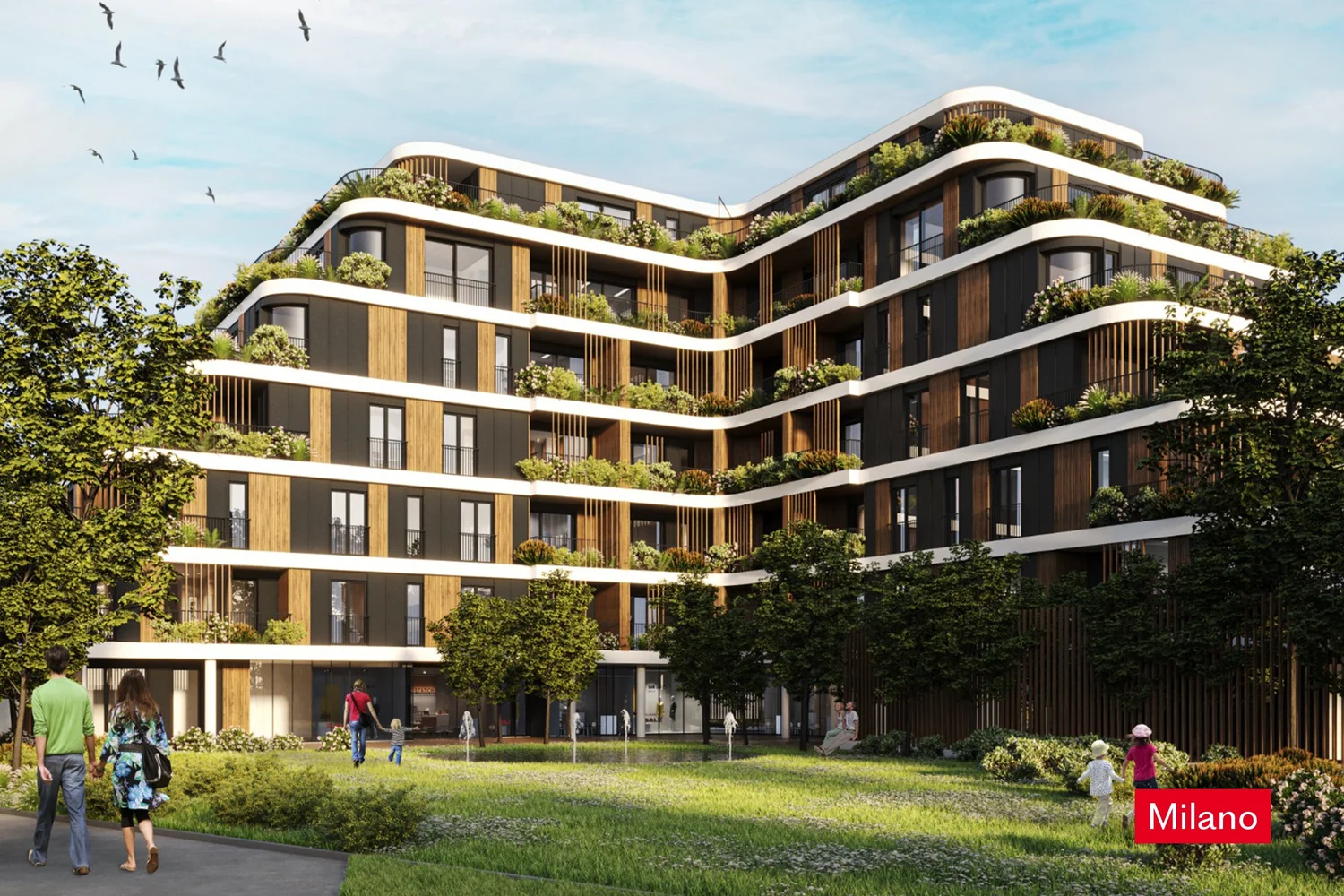
Italy Holiday Let Licensing: 2026 Short-Term Rental Guide
Quick answer: A legal holiday let in Italy needs a regional CIR, a national CIN shown on every listing and at the entrance, and a SCIA filed with the municipality once you run three or more units. Letting without a CIN costs €800 to €8,000, and letting without a required SCIA costs €2,000 to €10,000.
Italy rebuilt its short-term rental rulebook around a single national database, and the unregistered holiday flat no longer survives a routine listing check. Compliance now sits on three levels: a regional license, a national code that platforms verify automatically, and a business filing that switches on at your third unit.
A worked example makes the layers concrete. A couple buying one apartment in Florence registers with the regional portal, waits 5 to 15 business days for the CIR, receives the national CIN 24 to 48 hours after the two databases sync, and pays a flat 21% Cedolare Secca on gross rent. They collect €5.50 per person per night in tourist tax and remit it quarterly through pagoPA. Add a second flat and the rate on that unit rises to 26%. Add a third and the structure changes completely: Partita IVA, a SCIA filed with the municipal SUAP office, commercial accounting, and no access to the flat tax at all. Skipping a step is expensive rather than merely risky, because a missing CIN alone attracts €800 to €8,000 and immediate delisting.
What Is the Italian National CIN Registration System?
The Codice Identificativo Nazionale (CIN) is Italy’s mandatory national registration code for every short-term holiday rental let for under 30 days. Foreign buyers must display it on each listing and at the property entrance, and letting without one carries fines of €800 to €8,000 under Decree Law 145/2023.
Why the national code replaced the regional patchwork
Before the reform, each of Italy’s 20 regions ran its own register, so a Milan flat and a Puglia trullo followed different rules and neither fed a national tax record. The Ministry of Tourism now issues every code through the Banca Dati Nazionale delle Strutture Ricettive (BDSR), which links the property to its safety declaration and to the owner’s tax file. The code lands 24 to 48 hours after the regional record syncs, and it is the single reference that Airbnb and Booking.com check before a listing stays live.
What each block of the code means
| Segment | Example | What it identifies |
|---|---|---|
| Country prefix | IT | Italy |
| ISTAT code | 015146 | Municipality of the property |
| Type marker | LNI | Locazione turistica or receptive unit |
| Unit number | 12345 | Sequential number for that address |
| Control letter | X | Check character for automated audits |
A complete code therefore reads IT-015146-LNI-12345-X.
Display checklist before your first booking
- Put the CIN in the listing itself on every platform you use, including Airbnb, Booking.com and Vrbo.
- Repeat it on your direct booking page and in any paid social promotion.
- Fix a legible plaque near the doorbell, intercom or mailbox, because inspectors photograph the entrance.
- Keep the BDSR confirmation, since a code that exists but is not displayed still costs €500 to €5,000.
What Is the Difference Between CIR and CIN Codes?
The CIR is the regional license code issued by your region, while the CIN is the single national code that platforms and tax inspectors check. Foreign buyers need both, and the regional file must clear first: that stage runs 5 to 15 business days, and a live listing with no CIN risks €800 to €8,000.
Why the regional file always comes first
Italy did not abolish its regional tourism offices when the national database went live. Regions still handle zoning, statistics and local tourism policy, so the regional record is the source data the BDSR reads. Register with the regional portal, receive the CIR, and the national code is generated once the two systems reconcile. Applying straight to the Ministry of Tourism without a regional file returns nothing, and a listing that carries only a CIR is deactivated by the platform.
How the two codes compare side by side
| Feature | Regional CIR | National CIN |
|---|---|---|
| Issued by | Regione or province | Ministry of Tourism, via BDSR |
| Format | Varies by region | Always opens with IT |
| Typical wait | 5 to 15 business days | 24 to 48 hours after sync |
| Enforced by | Polizia Locale | Guardia di Finanza and the platforms |
| Valid on its own | No, it only feeds the national file | Yes, this is the code OTAs verify |
Regional names and the pre-purchase check
- Sardinia calls the regional code an IUN and Tuscany a CAV, while most regions use the CIR label; all of them feed the same national database.
- Safety declarations and cadastral data are verified at the regional stage, so an error there stalls the national code as well.
- A listing that shows a regional number but no CIN is deactivated by the platform, and the display breach alone runs €500 to €5,000.
One red flag is worth pricing in before you sign: a seller who says the flat is already licensed. Ask for the CIN itself, not a regional number, and check that it appears in the BDSR record for that exact address. The regional stage alone can take 5 to 15 business days if the file has to be redone.
When Is a SCIA Declaration Required for Holiday Lets?
A SCIA is the municipal business declaration that turns a holiday let into a commercial activity, and from January 2026 it is triggered automatically at the third rental unit. Foreign buyers with one or two apartments stay in the amateur regime, keep the 21% Cedolare Secca, and file nothing with the SUAP office.
Where the line between amateur and professional sits
- Non-professional (amatoriale): up to two units. No Partita IVA, no SCIA in most municipalities, and rental income taxed at 21% on the first property and 26% on the second.
- Professional (imprenditoriale): three or more units from January 2026. Partita IVA, an entry in the business registry, a SCIA with the SUAP office, and IRPEF brackets that reach 43% instead of the flat tax.
What a SCIA actually is
The Segnalazione Certificata di Inizio Attività is a certified declaration filed digitally with the municipal One-Stop Shop for Productive Activities (SUAP). It states that the property meets the urban planning, building, safety and health rules for commercial accommodation, and it takes effect the moment it is submitted rather than after an approval wait. Because it bundles zoning and building certificates, most foreign owners have a geometra or a commercialista assemble the file.
Paperwork and realistic timelines
| Document | Issued by | Typical wait |
|---|---|---|
| Codice Fiscale | Agenzia delle Entrate | Same day |
| Visura catastale | Catasto | 24 hours online |
| Agibilità certificate | Comune technical office | Copy in 1 to 2 weeks |
| Regional CIR | Regional tourism office | 5 to 15 business days |
| National CIN | Ministry of Tourism, BDSR | 24 to 48 hours after sync |
| SCIA, from the third unit | Municipal SUAP | Effective on submission |
Which buyer scenario applies to you
- One or two apartments: amateur regime, Cedolare Secca at 21% and 26%, no VAT number, no SCIA.
- A third apartment added: professional status, Partita IVA, SCIA with the SUAP, commercial accounting, and no flat tax on any unit.
- Managed by an agency: the manager files the CIN and the Alloggiati Web entries, but the SCIA duty stays with you once the portfolio crosses three units.
MORE Group prices the third unit differently from the first two, because the switch to Partita IVA moves net yield more than any headline gross figure: the flat 21% disappears, IRPEF can reach 43%, and commercial accounting becomes a fixed annual cost.
What Are the Safety Requirements for Italian Holiday Lets?
Every short-term rental in Italy must carry certified fire extinguishers, smoke alarms and, where gas appliances are present, a carbon monoxide detector. Foreign buyers declare this equipment when they claim the CIN, and inspectors fine missing or unserviced devices at €600 to €6,000 under Article 13-ter of DL 145/2023.
The equipment standard, device by device
| Device | Standard | Placement | Upkeep |
|---|---|---|---|
| Portable extinguisher | Class 13A-89B | One per floor, plus kitchen or boiler room | Serviced every 6 months |
| Smoke alarm | EN 14604, CE marked | Living spaces, corridors, bedrooms | Tested at each changeover |
| CO detector | EN 50291 | Same room as the gas appliance | Replaced on the maker’s date |
| Emergency sheet | Italian and English | Fixed near the entrance | Numbers 112, 115 and 118 |
Nothing on that list was compulsory for private lets before the reform, which is why older apartments in Florence and Milan so often fail their first inspection. The CIN application itself contains the safety declaration, so a false statement there is not a paperwork slip: it exposes the owner to the €600 to €6,000 band and to suspension of the rental activity. Extinguishers must be serviced every 6 months by a certified technician, and the signed logbook has to stay in the apartment where an inspector can read it.
Handover checklist for the safety file
- Photograph every device with its certification label on the day the CIN application goes in.
- Keep the servicing logbook in the property rather than on a cloud drive, because inspections happen on site.
- Print the evacuation plan in Italian and English and post it where guests actually look, next to the door.
In our underwriting the carbon monoxide alarm is the item most often missing at handover, because a gas boiler tucked inside a utility cupboard rarely reads as a hazard to a foreign owner.
How Do Owners Handle Police Registrations and Tourist Taxes?
Every overnight guest must be filed on the Alloggiati Web police portal within 24 hours of arrival, or immediately for a single-night stay. Owners are also the collection agent for the tourist tax, which ranges from €1.50 to €9.50 per person per night depending on the area.
Filing guests with the State Police
- Collect passport or ID scans at or before check-in, for every guest including children and infants.
- Upload name, surname, date of birth, nationality and document number within 24 hours, using your SPID or smart card credentials.
- Treat the deadline as criminal law rather than admin: Article 109 TULPS exposes an unregistered stay to fines up to €206 per guest and arrest of up to 3 months.
What the tourist tax costs by location
| Location | Per person, per night | Note |
|---|---|---|
| Smaller towns in Puglia and Sicily | €1.50 to €3.00 | Lowest band |
| Florence | €5.50 | Flat city rate |
| Milan | €9.50 | Raised alongside Olympic funding |
| Most municipalities | Exempt | Children under 10 or 12, disabled guests and companions |
The guest pays the tax, but the owner is the one the municipality pursues. Rates are set locally and scale with the property classification, so a family of four staying five nights in Milan generates €190 that never belongs to you and has to be held aside until the declaration is filed.
Quarterly remittance checklist
- Reconcile guest nights from Alloggiati Web against the platform payout reports before you declare.
- File the municipal declaration each quarter and pay through pagoPA.
- Keep the evidence for exempt guests, because late remittance costs 30% of the unpaid amount plus interest.
What Are the Fines for Non-Compliant Holiday Let Operations?
Penalties for an unlicensed holiday let are administrative, criminal and commercial at once, and foreign buyers carry them personally. A missing CIN costs €800 to €8,000, running three or more units without a SCIA costs €2,000 to €10,000, and unregistered guests fall under Article 109 TULPS as a criminal matter.
The penalty table in full
| Infraction | Legal basis | Fine | Knock-on effect |
|---|---|---|---|
| No national CIN | Article 13-ter, DL 145/2023 | €800 to €8,000 | Listing deactivated |
| CIN not displayed | Article 13-ter, DL 145/2023 | €500 to €5,000 | Adverts must be deleted |
| Missing safety devices | Article 13-ter, DL 145/2023 | €600 to €6,000 | Rental activity suspended |
| No SCIA from the third unit | Municipal SUAP rules | €2,000 to €10,000 | Closure and asset seals |
| Unregistered guests | Article 109 TULPS | Up to €206 per guest | Criminal file, arrest up to 3 months |
| Tourist tax not remitted | Municipal tax ordinance | 30% of the unpaid amount | Interest and a tax audit |
What actually triggers an inspection
- Automated cross-checks between live listings on Airbnb or Booking.com and the BDSR record, run by the Guardia di Finanza and the Agenzia delle Entrate.
- On-site visits by the Polizia Locale, who look for the entrance plaque and ask for the extinguisher logbook.
- Condominium disputes, where other owners challenge tourist letting and the municipality reopens the permit file.
In our underwriting the penalty table is a cost line rather than a warning box: a Milan flat that misses both the CIN and the safety declaration is exposed to €14,000 before it has sold a single night.
How Does DAC7 and Tax Reporting Work for Italian Holiday Lets?
Under the EU DAC7 directive, booking platforms are required to report every host’s gross income, nights sold and bank details to the Agenzia delle Entrate each year. Non-professional owners pay a flat 21% on the first property and 26% on the second, and foreign buyers cannot opt out of the data flow.
What the platforms send to the Agenzia delle Entrate
Directive 2021/514 turned every major booking channel into a reporting agent. Airbnb, Booking.com and Vrbo collect and verify host identity data, then file gross revenue, nights sold, the property address and the bank account used for payouts. Undeclared rental income is no longer a question of whether the tax office finds out, only of when the annual file is matched against your return.
How the rate changes with portfolio size
| Portfolio | Regime | Rate | Platform withholding |
|---|---|---|---|
| First property | Cedolare Secca | 21% flat on gross rent | 21% withheld at source |
| Second property | Cedolare Secca | 26% flat on gross rent | 21% withheld, 5% at filing |
| Third and beyond | Business income | IRPEF up to 43%, plus IVA | Invoiced turnover instead |
Under Cedolare Secca you cannot deduct commissions, utilities or maintenance, which is the trade for avoiding IRPEF brackets that climb to 43%. Platforms act as withholding agents and pass 21% of your gross revenue straight to the Treasury, then issue a Certificazione Unica showing the amount withheld. Your accountant reconciles that document with the annual return, which is where the missing 5% on a second property is settled.
What to keep for the annual return
- The Certificazione Unica from each platform, showing the 21% withheld at source.
- Payout statements matched against nights sold, since the DAC7 file already contains both figures.
- Proof of tourist tax remittance, which sits outside income tax and is settled with the municipality.
Insider Tip: Always check the condominium rules (regolamento di condominio) before you apply for a short-term rental license.
Many foreign investors spend months finding the right apartment in Florence or Milan, secure the codice fiscale, and apply for the CIN, only to learn that the building’s regolamento di condominio bans tourist letting outright. A condominium regulation approved by the owners is legally binding in Italy, and neighbors can act on it: they can sue, and they can ask the municipal SUAP office to revoke the permit behind your short-term rental. A revoked permit does not pause the mortgage or the building service charges, and continuing to let while the file is contested puts you straight back into the €800 to €8,000 band. Before signing the compromesso, ask the notary or the seller’s agent for a certified copy of the condominium regulation and read the clause on locazioni brevi yourself, because a verbal summary from an estate agent is not evidence.
How Should Foreign Buyers Sequence an Italian Holiday Let Setup?
Sequencing matters because each step feeds the next: the codice fiscale unlocks the regional CIR, the regional stage runs 5 to 15 business days, and the safety equipment has to be installed before the declaration is signed. Foreign buyers who start this after completion typically lose a full letting season.
The order of operations
| Stage | What you do | Realistic wait |
|---|---|---|
| Before the offer | Read the municipal rules and the condominium regulation | Agibilità copy in 1 to 2 weeks |
| At the compromesso | Apply for the codice fiscale, order the visura catastale | Visura in 24 hours |
| After completion | Fit extinguishers, smoke alarms and CO detectors | Same week |
| Registration | File with the regional tourism portal | 5 to 15 business days |
| Launch | Claim the CIN, activate Alloggiati Web | 24 to 48 hours |
Phase 1: verify before you commit
- Check the municipal short-term rental rules and any licensing cap in your target city; our guide to short-term rental rules in Italy covers the zoning side.
- Read buy property in Italy as a foreigner before you make an offer, then have an independent lawyer review zoning and structural compliance.
- Model the return after compliance costs using how to calculate rental yield in Italy.
Phase 2: fit the property out
- Install EN 14604 smoke alarms in the living spaces, corridors and bedrooms.
- Add an EN 50291 carbon monoxide alarm wherever there is a gas appliance.
- Mount class 13A-89B extinguishers, one per floor plus the kitchen, and book the 6 month service.
- Print the bilingual evacuation sheet carrying 112, 115 and 118.
Phase 3: register and launch
- Register on the regional portal for the CIR, then claim the CIN through the BDSR.
- Activate your Alloggiati Web credentials before the first check-in, not after it.
- Benchmark your expected returns against the Italy rental yield guide.
- If a third unit is coming, price the switch to Partita IVA with the Airbnb investment in Italy guide.
The methodology is deliberately front-loaded: every check that could kill the plan, from the condominium regulation to the municipal cap, happens before the deposit is at risk. The 5 to 15 business days of regional processing is the one step you cannot compress, so it belongs in the purchase timeline rather than the launch plan.
FAQ: Italy Holiday Let Licensing
Frequently Asked Questions
The CIN (Codice Identificativo Nazionale) is a mandatory national identification code for all short-term rentals under 30 days in Italy. Owners must secure it through the BDSR database and display it on all listings and outside the property entrance.
No, a SCIA (Segnalazione Certificata di Inizio Attività) is generally not required for amateur hosts renting out one or two properties occasionally. However, from 2026, managing three or more properties triggers mandatory business registration and SCIA filing.
The CIR is a regional code issued by your local province, while the CIN is a unified national code. You must first obtain the regional CIR before applying for the national CIN, which links your property to a centralized database.
Renting without a valid CIN code exposes you to severe administrative fines ranging from €800 to €8,000. Additionally, major online booking platforms will automatically delist non-compliant properties.
Yes, under Article 13-ter of DL 145/2023, all short-term rentals must install certified portable fire extinguishers, smoke detectors, and carbon monoxide alarms. Non-compliance results in fines between €600 and €6,000.
All guests must be registered on the national Alloggiati Web portal within 24 hours of arrival, or immediately if the stay is less than 24 hours. Failure to do so is a criminal offense carrying arrest or fines.
Need Help with Holiday Let Compliance in Italy?
If you are planning to buy for holiday lets, or you need help with regional registration, licensing and tax structure, our team can take the process off your desk. Get your personalized property shortlist and legal consultation today.
Get an Italy property shortlist
Tell us your budget and region (Tuscany, Lake Como, Puglia, Milan, Sardinia). We reply within one business day with options matched to your goals.