
Lecce Property Investment: Baroque Salento Guide 2026
Lecce property investment: baroque Salento capital, €1,400-2,200/m² centro, 4-6% yields, university tenants, beaches 20-40 minutes away.
By Italian Estate Editorial · Updated June 14, 2026 · 8 min read
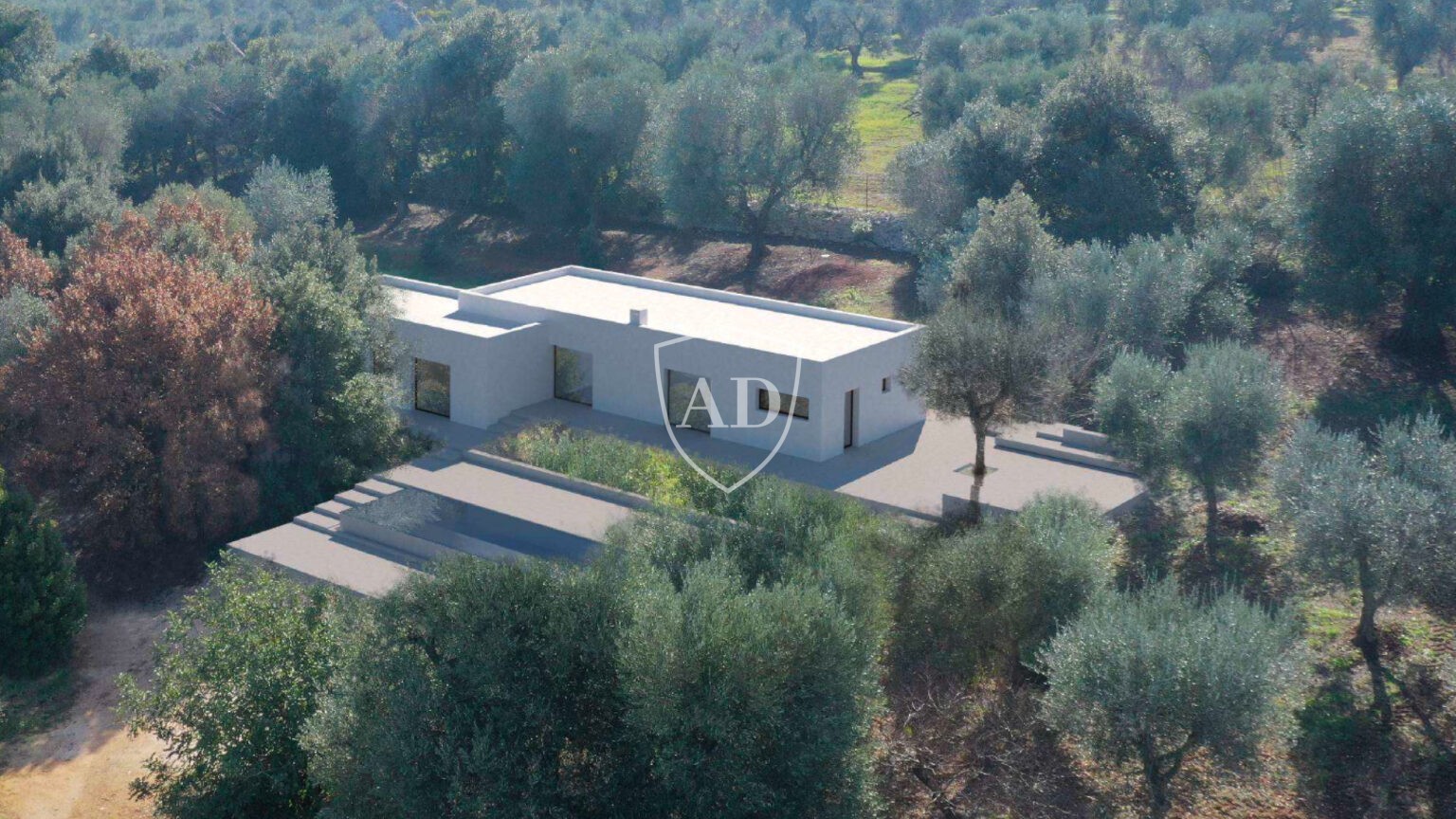
Lecce stands as Puglia’s undisputed cultural capital, a baroque masterpiece carved from golden limestone that has earned the moniker “Florence of the South.” This university city of 95,000 residents serves as the gateway to Salento peninsula, combining rich architectural heritage with vibrant student life and rapidly growing tourism appeal.
For property investors, Lecce presents a compelling opportunity in Italy’s emerging southern markets. Unlike the already-discovered coastal hotspots of Ostuni or Monopoli, Lecce maintains accessibility while offering sophisticated urban amenities, year-round rental demand, and significant upside potential as international recognition grows.
Property Market Overview
Current pricing in Lecce’s centro storico ranges from €1,400-2,200 per square meter, representing exceptional value compared to northern Italian cities or established Mediterranean destinations. The market has shown steady 3-5% annual appreciation since 2020, driven by tourism recovery and university expansion.
The city’s property landscape divides into distinct investment zones. Centro storico offers the highest yields and capital appreciation potential, with baroque palazzi and traditional apartments commanding premium rents from both tourists and professionals. The university quarter provides steady rental income from Italy’s third-largest university population.
Market Fundamentals
| Location Zone | Price Range (€/m²) | Rental Yield | Primary Demand |
|---|---|---|---|
| Centro Storico | €1,800-2,200 | 5-7% | Tourism, Professionals |
| University Area | €1,400-1,800 | 6-8% | Students, Young Workers |
| Borgo Districts | €1,200-1,600 | 4-6% | Local Families |
| Peripheral Areas | €800-1,200 | 3-5% | Long-term Rentals |
Transaction volumes increased 35% in 2025, with foreign buyers representing 15% of centro storico purchases. German and Dutch investors lead foreign interest, followed by UK and Scandinavian buyers seeking authentic Italian experiences away from overcrowded tourist centers.
For comprehensive context on Puglia’s broader investment landscape, review our complete Puglia property investment guide which positions Lecce within the region’s emerging opportunities.
Why Invest in Lecce
This market fits investors who accept its tenant mix, seasonality profile, and resale depth relative to national gateways. Underwrite hold period and exit buyer pool before paying centro premiums — foreign portal liquidity often concentrates on walkable UNESCO or branded micro-zones rather than peripheral value tickets marketed with yield headlines alone.
Lecce’s investment appeal stems from multiple converging factors creating a perfect storm of opportunity. The city combines cultural significance with practical advantages, offering investors both emotional satisfaction and financial returns.
Cultural and Tourism Drivers
UNESCO recognition potential positions Lecce for significant tourism growth. The city’s baroque architecture rivals Salzburg or Prague, yet remains relatively undiscovered by mass tourism. Current visitor numbers of 800,000 annually are projected to reach 1.5 million by 2030 as direct flights increase and cruise tourism expands.
Festival and events calendar drives year-round demand. La Notte Bianca, Lecce Film Festival, and numerous baroque music performances create consistent occupancy opportunities for short-term rental properties. The city’s compact size means all centro storico properties benefit from event proximity.
Economic Fundamentals
University of Salento anchors the local economy with 25,000 students creating stable rental demand. Unlike seasonal coastal markets, Lecce maintains occupancy year-round through academic calendars. Student housing shortages drive consistent 6-8% yields in university-adjacent properties.
Regional administrative center status brings government employment and professional services, supporting a middle-class rental market beyond students and tourists. The courthouse, regional offices, and expanding medical facilities create steady demand for quality residential properties.
Infrastructure Advantages
Transportation connectivity exceeds most southern Italian cities. High-speed rail reaches Rome in 4.5 hours, with planned improvements reducing travel time to 3.5 hours by 2027. Brindisi airport offers direct flights to major European cities, while Bari airport provides additional international connectivity.
Digital infrastructure supports remote work trends attracting northern Italian and European professionals seeking affordable southern living. Fiber optic coverage reaches 85% of centro storico, with full coverage planned by 2026.
Property Types and Opportunities
Lecce property investment: baroque Salento capital, €1,400-2,200/m² centro, 4-6% yields, university tenants, beaches 20-40 minutes away. Under this topic, track three OMI-quartiere closed sales in the same micro-district rather than portal asking averages alone. Confirm visura catastale, conformità edilizia, and condominium spese with independent avvocato review before compromesso deposit wires to notaio escrow accounts.
Lecce’s architecture offers diverse investment vehicles, from grand baroque palazzi to compact piazzetta apartments. Each property type serves different investment strategies and rental markets.
Baroque Palazzi
Historic palaces represent Lecce’s premium investment tier. These 16th-18th century structures often feature elaborate facades, internal courtyards, and soaring ceilings with period frescoes. Purchase prices range €180,000-500,000 for properties requiring renovation, while restored palazzi command €400,000-1.2 million.
Renovation potential creates significant value-add opportunities. Many palazzi remain family-owned and under-maintained, creating acquisition opportunities for investors willing to navigate Italy’s restoration requirements. Heritage grants can offset 30-40% of approved renovation costs for facade and structural improvements.
Rental applications span luxury tourism, event hosting, and multi-unit residential conversion. Single palazzi can generate €3,000-8,000 monthly through luxury short-term rentals, while residential conversion creates stable long-term income streams.
Centro Storico Apartments
Traditional apartments in baroque buildings offer the most accessible entry point for international investors. Typical configurations include 2-3 bedroom units of 80-120 square meters, often featuring original architectural details and rooftop terraces.
Purchase prices range €120,000-300,000 for move-in ready properties, with renovation projects starting around €80,000-150,000. Financing is readily available for EU buyers, with Italian banks offering 70-80% LTV mortgages at competitive rates.
Rental performance varies by location and condition. Properties within 200 meters of Piazza del Duomo command premium rates, while units near Porta Napoli or Porta San Biagio offer better value with strong rental potential.
University Quarter Properties
Student-focused investments target the area between Via dell’Università and Viale dello Stadio. These properties typically offer higher yields (6-8%) but require active management and regular maintenance due to tenant turnover.
Optimal configurations include 3-4 bedroom apartments with multiple bathrooms, suitable for student sharing. Purchase prices range €100,000-200,000, with quick payback periods through multiple rental streams.
Management considerations include furnishing requirements, utility setups for multiple tenants, and compliance with student housing regulations. Local property management companies charge 8-12% of gross rents but provide essential local expertise.
Investment Returns and Yields
Gross yield on portal listings excludes IMU, cedolare secca at 21% or 26%, condominium spese, and realistic vacancy — model net cash flow with commercialista before comparing tickets across communes. Furnished twelve-month contracts and licensed STR paths carry different tax bands and compliance filings that can shift net returns by 150-200 basis points on identical purchase prices.
Rental yields in Lecce consistently outperform most Italian markets, driven by diverse demand sources and affordable acquisition costs. Gross yields range 4-8% depending on property type, location, and rental strategy.
Short-Term Tourist Rentals
Airbnb and vacation rentals generate the highest yields in centro storico locations. Average nightly rates range €80-150 for quality properties, with occupancy rates of 65-75% achievable through professional management.
Peak season performance (June-September) drives significant income concentration, with monthly revenues often exceeding €3,000-5,000 for premium properties. Shoulder seasons maintain reasonable occupancy through cultural events and mild weather attracting winter visitors.
Regulatory environment remains favorable compared to major tourist cities. Lecce maintains reasonable registration requirements without the strict limitations imposed in Rome, Florence, or Venice.
Long-Term Residential Rentals
Professional and family rentals provide stable income with lower management intensity. Monthly rates range €400-800 for quality centro storico properties, with contracts typically lasting 3+ years under Italian tenancy laws.
University rentals command €350-500 monthly per room in shared configurations, creating potential gross yields of 6-8% for well-located properties. Academic year contracts run September-July, requiring summer tourism strategies or maintenance periods.
Corporate housing for visiting professionals and academics represents an emerging market, with monthly rates of €800-1,500 for furnished apartments near the university or business district.
Capital Appreciation Potential
Property values have appreciated 15-25% since 2020, outpacing most Italian markets. Centro storico properties show the strongest growth, driven by limited supply and increasing recognition of Lecce’s cultural significance.
Gentrification patterns suggest continued appreciation as young professionals and international buyers discover the city’s lifestyle advantages. Infrastructure improvements including planned high-speed rail upgrades and airport expansions support long-term value growth.
Location Analysis: Best Areas to Buy
Lecce property investment: baroque Salento capital, €1,400-2,200/m² centro, 4-6% yields, university tenants, beaches 20-40 minutes away. Under this topic, track three OMI-quartiere closed sales in the same micro-district rather than portal asking averages alone. Confirm visura catastale, conformità edilizia, and condominium spese with independent avvocato review before compromesso deposit wires to notaio escrow accounts.
Centro Storico - Premium Zone
Piazza del Duomo surroundings represent Lecce’s most prestigious addresses. Properties within 100-200 meters of the cathedral command highest rents and strongest appreciation. Investment focus should prioritize buildings with original baroque features and rooftop access.
Via Libertini and Via Palmieri offer excellent value within walking distance of major monuments. These areas provide authentic baroque atmosphere with slightly lower acquisition costs and strong rental potential.
Porta Rudiae area attracts investors seeking emerging value. Currently undergoing gentrification, this zone offers renovation opportunities with significant upside potential as the area develops.
University Quarter
Via dell’Università corridor serves student housing demand with reliable rental income. Properties here benefit from consistent occupancy but require student-appropriate configurations and management approaches.
Borgo Santa Caterina balances university proximity with residential character, attracting both students and young professionals. This area offers good value and rental diversification opportunities.
Emerging Residential Areas
Via Marche and surrounding streets provide value opportunities for long-term rental strategies. These areas attract local families and professionals while maintaining reasonable acquisition costs.
Porta San Biagio vicinity offers authentic local character with development potential as centro storico properties become less affordable for local buyers.
Pros and Cons of Lecce Investment
Lecce property investment: baroque Salento capital, €1,400-2,200/m² centro, 4-6% yields, university tenants, beaches 20-40 minutes away. Under this topic, track three OMI-quartiere closed sales in the same micro-district rather than portal asking averages alone. Confirm visura catastale, conformità edilizia, and condominium spese with independent avvocato review before compromesso deposit wires to notaio escrow accounts.
Investment Advantages
Authentic Italian experience without mass tourism overcrowding provides sustainable competitive advantages over established destinations. Cultural richness ensures continued visitor interest and property demand growth.
Affordable entry costs compared to northern Italy or established southern destinations like Taormina create accessible investment opportunities. Strong rental yields exceed most European city markets while maintaining capital appreciation potential.
University stability provides recession-resistant rental demand through academic populations. Government employment and regional administrative functions support professional rental markets beyond tourism seasonality.
Infrastructure development including transportation improvements and digital connectivity supports long-term property values. EU funding for southern Italian development projects benefits local infrastructure and economic growth.
Manageable regulation avoids the complex restrictions facing investors in Rome, Florence, or Venice while maintaining property rights security and legal framework clarity.
Investment Risks and Challenges
Limited international airport requires connection through Bari or Rome for most international flights. Seasonal tourism concentration creates income volatility for short-term rental strategies.
Language barriers can complicate property management and tenant relations for non-Italian speakers. Bureaucratic processes for purchases and renovations require local expertise and patience.
Heritage restrictions on centro storico properties can limit renovation flexibility and increase restoration costs. Building age often requires significant maintenance investments and structural updates.
Limited resale market compared to major Italian cities may affect exit strategy timing and pricing. Economic dependence on government sector and university creates vulnerability to public spending cuts.
Risk Mitigation Strategies
Professional property management addresses language and cultural barriers while ensuring compliance with local regulations. Diversified rental strategies combining short-term tourism with long-term residential tenants reduce seasonal income volatility.
Thorough due diligence including structural surveys and heritage compliance review prevents costly surprises. Local legal representation ensures proper purchase procedures and ongoing regulatory compliance.
Conservative financial planning accounts for higher maintenance costs and longer transaction timelines typical in historic Italian properties.
Practical Investment Guide
Lecce property investment: baroque Salento capital, €1,400-2,200/m² centro, 4-6% yields, university tenants, beaches 20-40 minutes away. Under this topic, track three OMI-quartiere closed sales in the same micro-district rather than portal asking averages alone. Confirm visura catastale, conformità edilizia, and condominium spese with independent avvocato review before compromesso deposit wires to notaio escrow accounts.
Purchase Process
Property search should focus on centro storico and university areas for optimal investment returns. Due diligence requires geometra surveys, legal title verification, and heritage restriction review for protected buildings.
Purchase timeline typically spans 60-90 days including preliminary contract, mortgage approval (if applicable), and final notaio deed. Closing costs total 7-10% of purchase price including taxes, notary fees, and registration costs.
Legal requirements include fiscal code (codice fiscale) registration, bank account opening, and property registration with local authorities. EU buyers face no restrictions, while non-EU purchasers require reciprocity verification for their country of origin.
Renovation and Permits
Historic center properties often require Soprintendenza approval for exterior modifications and structural changes. Permitted improvements include interior modernization, system upgrades, and approved facade restoration.
Renovation budgets should account for €800-1,500 per square meter for quality updates in historic properties. Specialist contractors with baroque restoration experience command premium rates but ensure compliance and quality.
Heritage grants through regional and EU programs can offset 30-50% of approved restoration costs for significant historic properties. Application processes require architectural plans and heritage impact assessments.
Rental Management
Professional management companies charge 10-15% of gross rents but provide essential services including marketing, guest services, maintenance coordination, and regulatory compliance.
Self-management is feasible for investors with Italian language skills and local presence, potentially increasing net yields by 8-12%. Digital platforms including Airbnb, Booking.com, and local sites facilitate direct marketing.
Tenant screening for long-term rentals should verify income, employment, and references. Italian tenancy law provides strong tenant protections, making careful selection crucial for positive rental experiences.
How this guide connects to the rest of the site
This page is part of the Italian Estate research hub. Continue with Italy Property Investment Guide, Ostuni Property Investment Guide, Italy Rental Yield Guide, Buy Property in Italy as a Foreigner, Complete 2.
How this guide connects to the rest of the site
This page is part of the Italian Estate research hub. Continue with Ostuni Property Investment Guide. Insider tip: Baroque centro palazzi need acoustic compliance for STR — verify commune noise ordinances before summer season marketing.
Frequently Asked Questions
Centro storico properties in Lecce range from €1,400-2,200 per square meter. Historic palazzi requiring renovation start around €1,200/m², while fully restored baroque apartments command €2,000-2,500/m².
Yes, EU and non-EU citizens can freely purchase property in Lecce. The process involves a geometra survey, notaio deed, and registrazione with local authorities - typically 60-90 days total.
Lecce offers 4-6% gross rental yields. University rentals to students yield 5-7%, while tourist short-term rentals in centro storico achieve 6-8% during peak seasons.
Lecce is 20-40 minutes from Salento's top beaches. Torre dell'Orso and Porto Cesareo are 30 minutes, while Gallipoli and Otranto are 35-45 minutes by car.
Lecce offers excellent value with strong fundamentals: university demand, cultural tourism growth, and affordable entry prices. It's less saturated than Ostuni but more established than emerging coastal towns.
Centro storico offers highest yields and capital appreciation. Borgo Santa Caterina and Via Palmieri provide good value. Avoid peripheral suburbs - walkability to university and monuments is crucial.
Lecce has excellent infrastructure: high-speed rail to Rome (4.5 hours), Brindisi airport 40 minutes, reliable utilities, and strong internet. The city is investing heavily in tourism infrastructure.
Get an Italy property shortlist
Tell us your budget and region (Tuscany, Lake Como, Puglia, Milan, Sardinia). We reply within one business day with options matched to your goals.