
Lucca Property Investment Guide for Foreign Buyers 2026
Lucca walled-city prices €2,800–4,500/m², Garfagnana villas, Versilia coast access, 4–6% yields, STR rules and heritage limits for British and German buyers.
By Italian Estate Editorial · Updated June 15, 2026 · 9 min read
Quick answer: Lucca offers walled-city living at roughly €2,800–4,500/m², countryside villas from €350,000, and gross yields of 4–6% on registered short-term lets. Heritage rules inside the walls are real but navigable. Start with the Tuscany property investment guide for regional benchmarks, then compare entry pricing against Florence before you shortlist addresses.
What Makes Lucca Different for Property Investors?
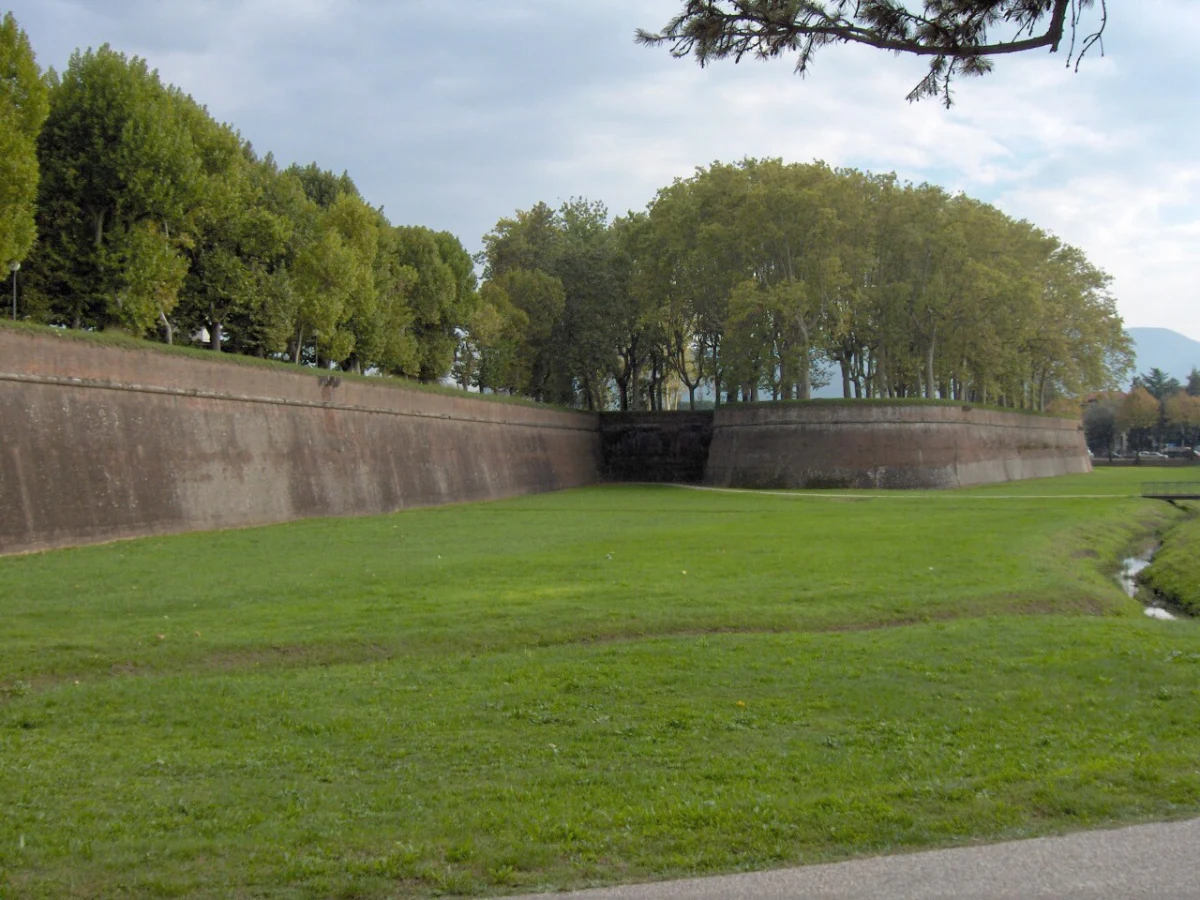
Lucca is one of Tuscany’s most complete walled cities: a flat, walkable centro storico enclosed by broad Renaissance ramparts you can cycle in twenty minutes. Unlike hill towns such as Siena, Lucca feels liveable year-round. Residents shop at Via Fillungo, meet at Piazza dell’Anfiteatro, and reach Pisa airport in under forty minutes. For investors, that combination of tourism, local employment, and infrastructure produces a market that is less headline-grabbing than Florence but often more efficient on yield per euro spent.
The province splits into three investment zones most foreign buyers actually consider: the walled city, the Lucca hills and olive-country belt immediately outside the walls, and the Garfagnana valleys to the north. Versilia, Viareggio, Forte dei Marmi, Pietrasanta, is not Lucca administratively, but coastal proximity shapes buyer demand and weekend rental patterns across the whole area.
What Does Lucca Property Cost in 2026?
Lucca offers walled-city living at roughly €2,800–4,500/m², countryside villas from €350,000, and gross yields of 4–6% on registered short-term lets. Heritage rules inside the walls are real but navigable. Under this topic, track three OMI-quartiere closed sales in the same micro-district rather than portal asking averages alone. Confirm visura catastale, conformità edilizia, and condominium spese with independent avvocato review before compromesso deposit wires to notaio escrow accounts.
Lucca’s price map is clearer than many Tuscan markets because the walls define premium geography. Inside them, supply is finite; outside, villa inventory expands quickly.
| Zone | Price per m² (indicative) | Typical product | Notes |
|---|---|---|---|
| Centro storico (within walls) | €2,800–4,500/m² | 60–120 m² palazzo apartments | Parking scarce; STR demand strong |
| Lucca hills (0–8 km from walls) | €2,200–3,800/m² | Restored casali, village houses | Pool and view premiums common |
| Garfagnana (Barga, Castelnuovo) | €1,400–2,600/m² | Stone farmhouses, village homes | Quieter tourism; lower entry |
| Versilia coast (30–45 min drive) | €3,500–6,500/m² | Apartments, seaside villas | Beach season drives July–August rates |
City versus countryside villas: A renovated two-bedroom apartment inside the walls often lists €280,000–450,000. A three-bedroom hillside villa with pool and olive grove commonly runs €450,000–850,000 depending on restoration quality and drive time to centro. Garfagnana properties can enter under €350,000 but require honest assessment of rental demand outside summer hiking season.
Market momentum since 2022 has tracked broader Tuscany: asking prices rose roughly 3–5% annually in prime centro, with stronger appreciation on turnkey villas marketed to international buyers. Lucca did not spike as aggressively as Florence’s Oltrarno, which helps entry investors who missed the post-pandemic repricing in the regional capital.
How Do Lucca Rental Yields Compare to Florence?
Gross yield on portal listings excludes IMU, cedolare secca at 21% or 26%, condominium spese, and realistic vacancy — model net cash flow with commercialista before comparing tickets across communes. Furnished twelve-month contracts and licensed STR paths carry different tax bands and compliance filings that can shift net returns by 150-200 basis points on identical purchase prices.
Lucca’s yield story is the main reason yield-focused Europeans compare it with Florence before committing capital. Florence sells global recognition; Lucca often sells better net economics on similarly sized units.
| Strategy | Lucca (gross) | Florence (gross) | Comment |
|---|---|---|---|
| Long-term residential | 2.5–3.5% | 2–3.5% | University and hospital tenants in Lucca |
| Registered STR (centro) | 4–5.5% | 2–3.5% centro; 4–6% Oltrarno | Florence UNESCO core blocks new STR licences |
| Hillside villa STR | 4–6% | N/A (different product) | Pool + parking boosts weekly rates |
| Hybrid (LT + summer STR) | 3.5–4.5% | 3.5–4.5% in permitted districts | Requires clear seasonal calendar |
On a €400,000 centro apartment, a realistic registered STR model at 4–5% gross produces €16,000–20,000 before management, cleaning, IMU, and income tax. The same budget in Florence’s restricted UNESCO core may rely on long-term tenancy unless you buy a property with an existing licence or target Oltrarno instead.
Cross-check national yield assumptions in the Italy rental yield guide. If you are still choosing regions, the Puglia vs Tuscany property comparison shows how southern pricing differs from walled-city Tuscany.
Where Should Buyers Focus: Centro Storico, Garfagnana, or Versilia Access?
Commute and airport access shape tenant pools and resale depth: properties within walkable services and rail links command premium rents versus car-only hill or coastal fringe stock. High-speed rail and motorway corridors often reprice peripheral tickets when corporate tenants accept 45-70 minute schedules instead of centro walkability premiums.
Walled centro storico
The historic centre is Lucca’s liquidity engine. Tourists arrive for the walls, churches, Puccini heritage, and slow-food restaurants. Apartments on upper floors of palazzi dominate inventory; ground-floor commercial units are specialised plays.
Investor appeal: Walkability, consistent short-stay demand, low car dependency for guests. Friction: Limited parking, strict exterior heritage rules, condominium rules that may restrict sub-30-day lets, and noise during summer festivals.
Best fit: British and German buyers wanting a lock-and-leave city base with rental income when away.
Lucca hills and olive country (Montecarlo, Matraia, Vorno belt)
Ten to twenty minutes by car from Porta San Pietro, this belt supplies the villa inventory foreigners picture: stone facades, pergolas, pools, and views toward the Apuan Alps.
Investor appeal: Higher nightly rates than centro for family groups; pools extend season into shoulder months. Friction: Management distance, road access, and pool maintenance costs (budget 8–12% of gross STR revenue for full-service management).
Best fit: Yield investors accepting a car-based guest profile and professional property management.
Garfagnana (north)
Mountain valleys, medieval villages like Barga, hiking tourism, cooler summers. Prices sit below Lucca city per square metre.
Investor appeal: Lower entry, authentic village life, growing remote-worker interest. Friction: Weaker winter occupancy, fewer international flights, longer drives to major hospitals and shopping.
Best fit: Lifestyle buyers prioritising space and nature over maximum occupancy.
Versilia proximity (without buying on the beach)
Many Lucca buyers never purchase in Versilia but market their Lucca base as “Tuscany city plus beach day trip.” That positioning supports shoulder-season bookings when inland heat pushes families toward the coast thirty minutes away.
What Heritage and STR Rules Apply Inside the Walls?
Lucca’s centro storico carries heritage protections similar to other Tuscan art cities, but enforcement culture differs from Florence’s high-profile STR crackdown. That does not mean rules are loose, it means due diligence must be address-specific.
Heritage (Soprintendenza):
- Exterior paint, shutters, windows, roof lines, and visible additions need approval.
- Interior layout changes are usually handled through standard building permits if structural loads are unchanged.
- Plan for 8–14 weeks on visible works; rush renovations before high season often fail inspection.
Short-term rental compliance:
- National CIN registration and municipal tourist accommodation rules apply.
- Condominium bylaws can override municipal permissiveness, read regolamento di condominio before offer.
- Non-resident owners should model IMU, IRPEF or flat-rate schemes, and TARI waste charges in net yield.
Read the dedicated heritage-restricted property Italy guide if your target listing needs façade work or roof replacement. STR mechanics sit in the short-term rental rules Italy guide on this site.
Insider tip: verify parking title before you celebrate the terrace
Agents often sell Lucca centro on the basis of a rooftop terrace or church view. The deal-killer we see repeatedly is parking: a slot marketed as “included” may be a reversible rental from a neighbour, not a registered pertinenza in the deed. Without deeded or long-lease parking, resale to German and British buyers drops sharply and STR guests complain about suburban lot walks. Ask the notary to trace parking rights in the visura catastale and condominium tables before the compromesso deposit clears. If parking is off-site, price the discount at 8–12% against comparable units with guaranteed boxes inside the walls.
Who Buys Lucca Property Today?
Lucca offers walled-city living at roughly €2,800–4,500/m², countryside villas from €350,000, and gross yields of 4–6% on registered short-term lets. Heritage rules inside the walls are real but navigable. Under this topic, track three OMI-quartiere closed sales in the same micro-district rather than portal asking averages alone. Confirm visura catastale, conformità edilizia, and condominium spese with independent avvocato review before compromesso deposit wires to notaio escrow accounts.
| Buyer origin | Typical budget | Preferred product | Primary motivation |
|---|---|---|---|
| United Kingdom | €300k–600k | Centro 2-bed or hillside villa | Lifestyle, language comfort, Pisa links |
| Germany | €350k–750k | Restored villa with pool | Space, privacy, family holidays |
| Netherlands / Switzerland | €280k–500k | Centro apartment | Walkable city, low maintenance |
| United States | €450k–900k | Turnkey villa or large centro flat | Tuscany brand, multi-generational use |
Lucca attracts fewer speculative flip investors than Milan or Rome. Holding periods of seven to twelve years are normal. Appreciation is steady rather than explosive: plan for 2–4% annual price growth in prime centro, plus rental cash flow rather than quick capital gains.
Florence vs Lucca: Where Is the Better Value Entry?
Model both markets with identical capital, hold period, and tax assumptions before choosing — per sqm gaps often reverse after IMU, cedolare secca, vacancy, and resale liquidity differences. Track closed sales in comparable micro-districts rather than city-wide portal averages when allocating between markets.
| Factor | Lucca | Florence |
|---|---|---|
| Centro entry €/m² | €2,800–4,500 | ~€4,700+ average asking |
| STR licence climate (centro) | Registered STR viable with compliance | New UNESCO-core STR licences banned |
| Tourism brand | Strong regional | Global top-tier |
| Resale depth | Good among Northern Europeans | Excellent worldwide |
| Typical gross yield | 4–6% (STR/villa) | 2–6% depending on district |
| Best for | Yield + walled lifestyle | Prestige + US buyer pool |
Florence remains the default if your exit strategy depends on American or Gulf luxury buyers. Lucca wins when you want Tuscan walled-city character, lower entry per square metre, and operational STR income without fighting UNESCO licence caps. Many portfolios hold both: Florence for prestige, Lucca for cash flow. Compare medieval alternatives in Siena if you want hill-town drama at similar price bands.
Seasonal demand and occupancy planning
Lucca offers walled-city living at roughly €2,800–4,500/m², countryside villas from €350,000, and gross yields of 4–6% on registered short-term lets. Heritage rules inside the walls are real but navigable. Under this topic, track three OMI-quartiere closed sales in the same micro-district rather than portal asking averages alone. Confirm visura catastale, conformità edilizia, and condominium spese with independent avvocato review before compromesso deposit wires to notaio escrow accounts.
| Season | Demand driver | Centro occupancy (typical) | Villa occupancy (typical) |
|---|---|---|---|
| March–May | Culture, cycling, walls | 55–70% | 45–60% |
| June–August | Festivals, Versilia weekends | 75–85% | 70–85% |
| September–October | Harvest, mild weather | 60–75% | 55–70% |
| November–February | Local events, low tourism | 25–40% | 15–30% |
Investors who underwrite 70% annual occupancy on a centro one-bedroom usually overpay. Successful operators blend summer nightly stays with monthly shoulder lets aimed at remote workers and language students.
Due diligence checklist for Lucca buyers
Italian property risk clusters around cadastral mismatches, unauthorized layout changes, pending condominium extraordinary works, and STR licensing gaps that agents omit from English summaries. Independent avvocato and geometra review before compromesso beats post-deposit discovery of conformità blocks, CIN delisting risk, or spese spikes within the first ownership year.
| Step | Action | Red flag |
|---|---|---|
| Heritage | Request Soprintendenza file for planned works | Agent says “interior only, no permits needed” for roof or windows |
| STR | Confirm CIN eligibility and condominium STR clause | Oral assurance without regolamento review |
| Parking | Trace deeded or leased parking in notary bundle | ”Nearby public parking” substituted for private slot |
| Structure | Surveyor report on palazzo floor loads and moisture | Ground-floor units without damp proofing |
| Tax | Model IMU + rental tax regime before offer | Gross yield quoted net of zero costs |
Budget 10–12% on top of purchase price for taxes, notary, and survey on a €400,000 acquisition. Restoration inside historic palazzi often runs €800–1,800 per square metre for full mechanical and cosmetic upgrades.
Buyer scenarios in Lucca
Match budget, hold period, and income target to the district cluster that actually delivers those outcomes — generic centro advice often overpays for liquidity while ignoring yield corridors on metro-linked periphery. Stress-test FX, tax residency, and exit buyer pool before choosing between long-term lease, STR, or lifestyle-primary strategies on the same ticket size.
| Profile | Budget | Zone | Hold period | Expected outcome |
|---|---|---|---|---|
| British lock-and-leave | €320k–480k | Centro storico 2-bed | 8–12 years | Personal use + registered STR |
| German family villa | €500k–850k | Lucca hills with pool | 10+ years | Summer base, 4–6% gross STR |
| EU yield investor | €380k–550k | Hillside casale | 7–10 years | Manager-led STR, minimal personal use |
| Florence comparison shopper | €350k–600k | Centro vs Oltrarno alternative | Decision phase | Better cash flow in Lucca walls |
| Garfagnana lifestyle | €250k–420k | Barga / Castelnuovo area | 12+ years | Low entry, modest rent, high livability |
Scenario planning matters because Lucca is three markets under one brand. Centro suits buyers who accept heritage friction for walkable rental demand. Hillside villas suit families and yield investors who need parking and pools. Garfagnana suits patient capital that prioritises space over occupancy. If your hold period is under seven years, stress-test exit with two local agents, centro listings with parking and licence documentation resell faster than rural casali missing pool compliance paperwork.
Pair this page with the Tuscany property investment guide when building a multi-asset Italian portfolio. Hillside villa stock from about €600,000 is profiled in our Lucca villa historic renovation project review. For purchase mechanics as a non-resident, see buy property Italy foreigner.
Risks and red flags
Lucca is stable, not risk-free. Condominium bans on short stays can silently kill a pro forma. Heritage delays can push renovation past Easter opening. Rural properties may lack reliable broadband unless you verify fibre maps. Abusivismo (unauthorised building) still appears in village listings, independent geometric and cadastral checks are non-negotiable.
Versilia day-trip marketing helps shoulder season but does not replace winter demand planning. British buyers should model currency exposure if income is euro-denominated and personal funds sit in sterling. German buyers often optimise through careful tax residency planning; consult a cross-border accountant before signing.
CTA: Ready to compare vetted Lucca centro apartments, hillside villas, and Garfagnana casali against your yield target? Get a personalized property shortlist filtered by heritage status, STR eligibility, parking title, and realistic renovation budgets, or use it to benchmark Lucca against Florence and Siena before you fly.
Frequently Asked Questions
Within the Renaissance walls, restored apartments trade roughly €2,800–4,500/m² depending on floor, exposure, and parking. Countryside villas in the Lucca hills or Garfagnana start around €350,000–650,000 for a renovated two-to-four-bedroom home with land; premium estates with pools and views can exceed €1.2 million.
Lucca typically delivers 4–6% gross on well-managed short-term rentals in centro or hillside villas, versus 2–3.5% long-term yields in Florence's UNESCO core where new STR licences are restricted. Lucca's lower entry price per square metre often produces better cash flow for yield-focused buyers.
Yes, with municipal registration, a valid CIN code, and compliance with building and condominium rules. Centro storico properties may face tighter scrutiny than rural casali. Non-resident owners should confirm STR day limits and tax registration before purchase, not after check-in.
The walled centro is protected. Exterior changes, window materials, roof tiles, and façade colours require Soprintendenza approval. Interior renovations are generally permitted with standard SCIA/CILA filing. Budget extra time and €3,000–8,000 for heritage consultancy on visible works.
For many buyers, yes on entry cost. Lucca centro averages well below Florence's €4,700+/m² asking levels while offering a complete walled-city lifestyle, strong tourism, and easier STR economics. Florence still wins on global brand recognition and resale depth to US buyers.
British and German lifestyle buyers dominate, followed by Dutch, Swiss, and American second-home purchasers. Many target walkable centro apartments or villas within 30 minutes of the walls, with Versilia beach access as a weekend bonus.
Get an Italy property shortlist
Tell us your budget and region (Tuscany, Lake Como, Puglia, Milan, Sardinia). We reply within one business day with options matched to your goals.