
Valle d'Itria Trulli Property Investment Guide 2026
Valle d'Itria trulli investment in Ostuni, Locorotondo, Cisternino: €800-1,500/m² restoration, 5-7% yields, UNESCO landscape building rules.
By Italian Estate Editorial · Updated June 17, 2026 · 9 min read
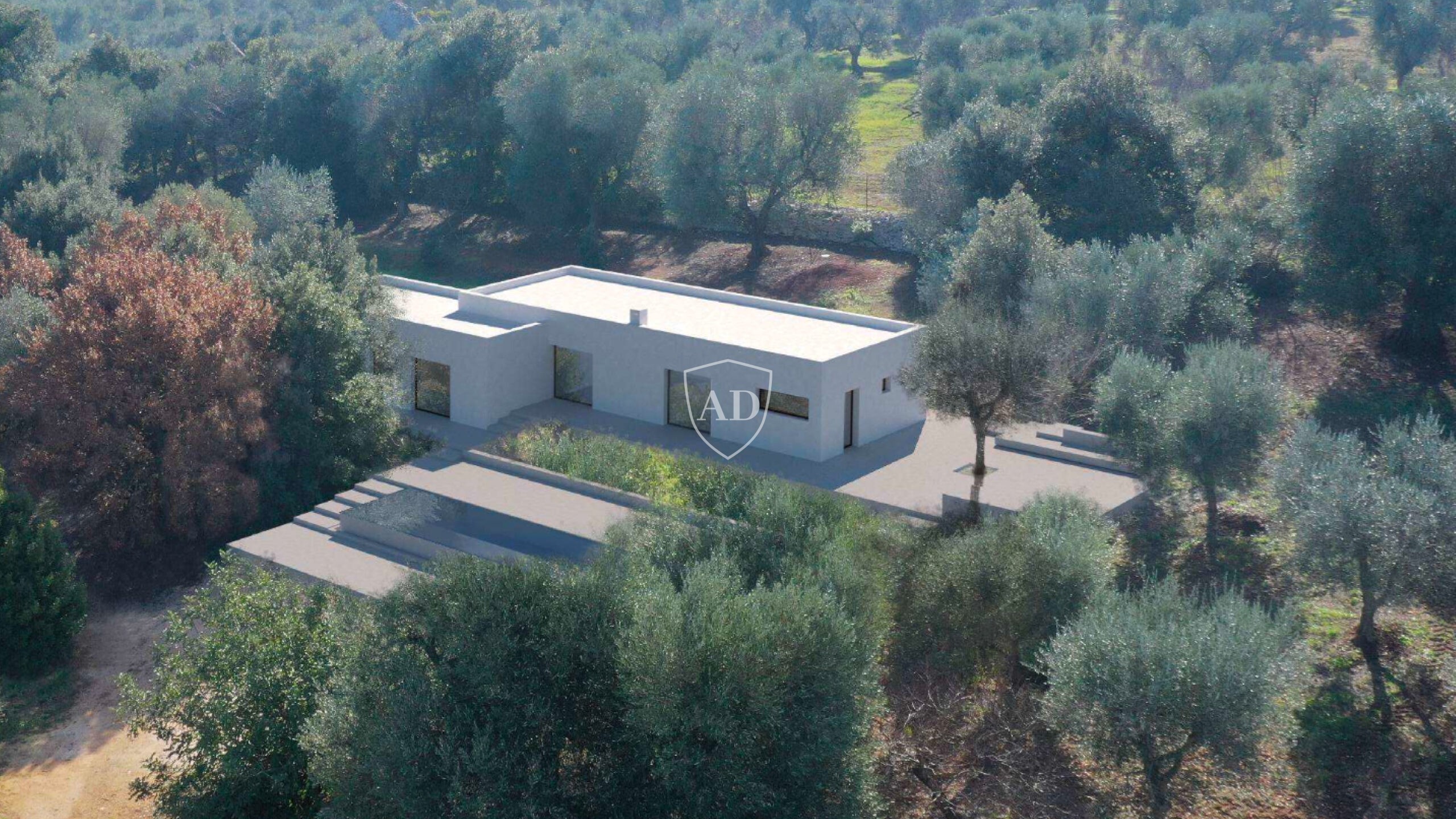
Quick answer: Valle d’Itria offers trulli investments across Ostuni, Locorotondo, Cisternino, and Martina Franca with 5-7% rental yields, restoration at €800-1,500 per m², and entry from €120,000-350,000. UNESCO rules limit alterations but protect long-term character.
Valle d’Itria represents one of Italy’s most distinctive property investment opportunities, combining UNESCO World Heritage protection with authentic Puglian culture across four charming towns. This fertile valley between Bari and Brindisi offers investors the chance to own iconic trulli houses while benefiting from strong rental demand driven by cultural tourism.
Valle d’Itria Investment Overview
Valle d’Itria encompasses four primary investment markets, each with distinct characteristics for property investors. Ostuni commands premium prices as the “White City” but offers highest rental yields. Locorotondo provides better value while maintaining strong tourism appeal. Cisternino attracts investors seeking authentic atmosphere at moderate prices. Martina Franca offers the lowest entry costs but smaller vacation rental market.
The valley benefits from UNESCO protection that preserves its unique landscape and architecture. This designation prevents overdevelopment while maintaining property values through cultural significance. International tourists increasingly seek authentic experiences, driving demand for trulli vacation rentals throughout the region.
Transportation infrastructure supports investment viability with Bari airport 45-60 minutes away and Brindisi airport 30-45 minutes. The SS172 highway connects all four towns, while local trains provide regional access. This connectivity enables both vacation rental management and owner access from northern Europe.
| Investment Metric | Valle d’Itria Average |
|---|---|
| Entry Price Range | €120,000 - €350,000 |
| Restoration Cost/sqm | €800 - €1,500 |
| Rental Yield | 5% - 7% |
| Average Property Size | 60 - 120 sqm |
| Renovation Timeline | 6 - 18 months |
Ostuni: The White City Investment Hub
Ostuni dominates Valle d’Itria’s luxury property market, commanding the highest prices and strongest rental demand. The hilltop city’s distinctive white buildings and panoramic views attract premium international visitors willing to pay €150-300 per night for authentic trulli experiences.
Property prices in Ostuni reflect this premium positioning. Restored trulli in the historic center sell for €250,000-500,000, while renovation projects start around €180,000-300,000. The city’s brand recognition drives consistent booking demand, with occupancy rates reaching 75-80% during summer months.
Investment advantages include established vacation rental infrastructure, direct flights from European capitals, and year-round cultural events. The city’s proximity to beaches (8km) adds appeal for summer rentals, while the historic center provides winter tourism through food and wine experiences.
Restoration projects in Ostuni benefit from skilled local craftsmen experienced with trulli construction techniques. However, UNESCO restrictions require traditional materials and methods, potentially increasing costs. Investors should budget €900-1,600 per square meter for complete renovation to luxury standards.
Locorotondo: Value Investment Opportunity
Locorotondo offers superior value for Valle d’Itria investors, providing similar architectural charm and rental yields at 20-30% lower entry prices than Ostuni. The circular town’s unique layout and flower-decorated balconies create Instagram-worthy backdrops that drive social media marketing for vacation rentals.
Property prices range from €120,000-280,000 for renovation projects, with restored trulli selling for €200,000-400,000. This pricing advantage enables investors to achieve 6-7% rental yields while building equity through restoration projects. The town’s compact size creates intimate atmosphere valued by cultural tourists.
Rental demand remains strong despite lower recognition than Ostuni. Locorotondo’s designation as one of “Italy’s Most Beautiful Villages” attracts quality visitors seeking authentic experiences. Properties achieve €100-200 per night during peak season, with 65-75% annual occupancy rates.
Infrastructure development continues improving investment fundamentals. New parking areas ease access concerns, while restaurant growth supports longer visitor stays. The town’s wine production adds cultural appeal through vineyard tours and tastings that complement vacation rental offerings.
Cisternino and Martina Franca Markets
Cisternino appeals to investors seeking authentic atmosphere at moderate prices, with trulli properties starting around €100,000-250,000 for renovation projects. The town’s medieval character and famous butcher shops create unique selling points for vacation rentals focused on culinary tourism.
Investment yields in Cisternino reach 5-6% through careful property selection and marketing. The town’s smaller size limits competition while maintaining sufficient demand for well-positioned properties. Restoration costs average €800-1,200 per square meter, lower than Ostuni due to reduced tourist pressure.
Martina Franca offers the valley’s lowest entry prices but requires careful market analysis. Properties suitable for vacation rentals start around €80,000-200,000, though the baroque architecture differs from traditional trulli. The larger town provides more services but less concentrated tourism demand.
Investment strategy in these secondary markets focuses on unique property features and strong local partnerships. Successful investors emphasize cultural experiences, cooking classes, and wine tours to differentiate their offerings from coastal alternatives.
| Town Comparison | Ostuni | Locorotondo | Cisternino | Martina Franca |
|---|---|---|---|---|
| Entry Price | €180,000-300,000 | €120,000-280,000 | €100,000-250,000 | €80,000-200,000 |
| Peak Daily Rate | €150-300 | €100-200 | €80-150 | €60-120 |
| Annual Occupancy | 75-80% | 65-75% | 60-70% | 50-65% |
| Tourist Season | Mar-Oct | May-Oct | Jun-Sep | Jun-Sep |
Trulli Restoration Process and Costs
Trulli restoration requires specialized knowledge of traditional construction techniques and UNESCO compliance requirements. These ancient stone structures demand authentic materials and methods, creating unique challenges compared to conventional property renovation. Understanding the restoration process helps investors budget accurately and avoid common pitfalls.
Structural assessment forms the critical first step, as trulli walls support conical roofs through precise stone placement without mortar. Professional architects experienced with traditional techniques identify necessary repairs to foundations, walls, and roof structures. This assessment typically costs €2,000-5,000 but prevents expensive surprises during construction.
Restoration costs vary significantly based on property condition and finish quality. Basic renovations maintaining rustic character cost €800-1,000 per square meter, while luxury finishes reach €1,200-1,500 per square meter. Projects requiring structural repairs or expansion can exceed €1,600 per square meter.
UNESCO restrictions govern restoration materials and techniques throughout Valle d’Itria. Traditional limestone must be used for wall repairs, while roof restoration requires specific stone types and mortar compositions. These requirements often double material costs but preserve cultural authenticity that drives tourism demand.
Timeline considerations affect both costs and rental income projections. Simple cosmetic updates complete within 3-6 months, while structural projects require 12-18 months. Weather delays during winter months and artisan availability impact schedules. Investors should plan 6-month buffers for vacation rental launch dates.
Rental Market Dynamics and Yields
Valle d’Itria’s rental market thrives on cultural tourism and authentic experiences, with peak demand from May through October. International visitors increasingly seek unique accommodations over standard hotels, driving premium rates for well-restored trulli properties. Understanding seasonal patterns and guest preferences maximizes investment returns.
Peak season performance delivers the majority of annual rental income, with July-August commanding highest rates. Premium trulli in Ostuni achieve €200-300 per night during this period, while secondary towns reach €120-180 per night. Shoulder seasons (April-June, September-October) generate 60-70% of peak rates with good occupancy.
Guest demographics skew toward affluent couples and small families from Northern Europe, particularly Germany, UK, and Scandinavia. These visitors value authenticity over amenities, preferring restored trulli with original features over modern conversions. Average stays run 5-7 nights, longer than typical European vacation rentals.
Competitive landscape includes both individual trulli owners and small management companies. Professional photography and authentic staging significantly impact booking rates, as do cultural experiences like cooking classes or wine tours. Properties without unique selling points struggle against increasing supply.
Yield calculations must account for seasonal cash flow patterns and ongoing maintenance costs. Successful properties generate €25,000-45,000 annual gross rental income on investments of €200,000-400,000, achieving 5-7% net yields after expenses. Higher-end properties in prime locations can exceed 7% yields.
Foreign Buyer Process and Legal Framework
Foreign property acquisition in Valle d’Itria follows standard Italian procedures with some regional considerations. EU citizens face no restrictions, while non-EU buyers need codice fiscale (tax code) and legal representation. The process typically completes within 60-90 days from offer acceptance to final deed signature.
Legal representation costs €2,000-4,000 for standard transactions, including due diligence, contract negotiation, and deed preparation. Specialized attorneys familiar with trulli properties and UNESCO restrictions provide essential guidance on renovation permissions and compliance requirements.
Due diligence requires careful review of building permits, UNESCO compliance, and structural conditions. Many trulli lack formal construction permits due to their ancient origins, requiring regularization through condono processes. This adds complexity but rarely prevents sales completion.
Tax obligations include purchase taxes (2-9% depending on residency and property use), notary fees (€2,000-4,000), and ongoing property taxes. Foreign investors benefit from tax treaties that prevent double taxation on rental income, though professional tax advice ensures compliance.
Financing options exist for foreign buyers, though Italian banks typically require 40-50% down payments for non-residents. Some international banks offer Italian property mortgages, while specialized lenders focus on vacation rental investments. Interest rates generally run 1-2% above standard residential mortgages.
Investment Risks and Mitigation Strategies
Valle d’Itria investment risks include restoration cost overruns, seasonal income concentration, and limited resale liquidity. However, UNESCO protection and growing cultural tourism provide long-term value stability that mitigates these concerns for patient investors with proper preparation.
Restoration risk management starts with experienced contractors and detailed cost estimates. Fixed-price contracts protect against overruns, while contingency budgets (15-20% of project cost) handle unexpected issues. Regular site visits during construction ensure quality control and timeline adherence.
Market concentration risk stems from dependence on vacation rental income and cultural tourism. Diversification strategies include long-term rentals to locals during off-seasons or property management for other owners. Some investors develop multiple trulli to spread risk across different locations and price points.
Liquidity considerations reflect limited buyer pools for trulli properties, particularly those requiring restoration. Well-restored properties in prime locations maintain better resale prospects, while projects needing work may require significant time to sell. Exit strategies should consider 3-5 year minimum holding periods.
Regulatory risks include potential changes to UNESCO restrictions or vacation rental regulations. However, the cultural significance of trulli and economic importance of tourism make major regulatory changes unlikely. Staying informed through local professional networks helps anticipate and adapt to policy modifications.
Valle d’Itria Investment Pros and Cons
Investment Advantages: - Unique cultural asset with UNESCO protection ensuring preservation
- Strong rental yields of 5-7% through vacation rental demand
- Growing tourism market driven by authentic experience trends
- Accessible location with two international airports within 60 minutes
- Established restoration expertise through local artisan networks
- Tax efficiency through Italian investment incentives and EU treaties
Investment Challenges: - High restoration costs requiring specialized techniques and materials
- Seasonal income concentration with limited off-season demand
- UNESCO restrictions limiting modification and expansion options
- Limited resale liquidity due to specialized buyer requirements
- Property management complexity for non-resident owners
- Weather-dependent construction schedules affecting project timelines
Getting Started in Valle d’Itria
Valle d’Itria property investment offers unique opportunities for investors seeking cultural assets with solid returns. The combination of UNESCO protection, growing tourism demand, and authentic architectural character creates long-term value potential unlike conventional real estate markets.
Success factors include thorough due diligence on restoration requirements, experienced local partnerships, and realistic timeline expectations. Investors should visit properties personally, meet potential contractors, and understand local regulations before committing to purchases.
Professional support networks in Valle d’Itria include specialized real estate agents, restoration contractors, and property managers familiar with vacation rental operations. Building these relationships before purchase ensures smoother project execution and ongoing management.
For comprehensive guidance on Puglia property investment strategies and market analysis, see our detailed Puglia Property Investment Guide. The guide covers regional market dynamics, legal processes, and investment strategies across Puglia’s diverse markets.
Valle d’Itria represents a unique intersection of cultural heritage and investment opportunity, offering patient investors the chance to preserve architectural treasures while building wealth through authentic tourism experiences.
How this guide connects to the rest of the site
This page is part of the Italian Estate research hub. Continue with Ostuni Property Investment Guide, Lecce Property Investment, Polignano a Mare Property, Italy Property Investment Guide.
How this guide connects to the rest of the site
This page is part of the Italian Estate research hub. Continue with Ostuni Property Investment Guide, Lecce Property Investment, Polignano a Mare Coastal Property Guide. Insider tip: Trulli cone restorations need static engineer sign-off on stone vault loads — skip this and commune stops work at roof stage.
Frequently Asked Questions
Valle d'Itria is a UNESCO-protected valley in Puglia famous for its trulli houses and whitewashed towns. The area offers unique investment opportunities with authentic stone houses, 5-7% rental yields, and strong cultural tourism appeal across Ostuni, Locorotondo, Cisternino, and Martina Franca.
Trulli restoration costs range from €800-1,500 per square meter depending on condition and finishes. A typical 60-80 sqm trulli requires €48,000-120,000 for complete renovation, plus the purchase price which averages €120,000-350,000.
Valle d'Itria properties generate 5-7% rental yields through short-term vacation rentals. Premium trulli in Ostuni or Locorotondo can achieve 6-8% yields during peak summer months, with occupancy rates of 65-75% annually.
Ostuni leads for investment appeal with highest property values and rental demand. Locorotondo offers better value with similar yields. Cisternino provides authentic atmosphere at lower entry prices. Martina Franca has the lowest competition but smaller rental market.
Yes, foreigners can freely purchase trulli and properties throughout Valle d'Itria. EU citizens have no restrictions, while non-EU buyers need tax code (codice fiscale) and legal representation. Most transactions complete within 60-90 days.
Main risks include restoration cost overruns, UNESCO building restrictions, seasonal rental demand, and limited resale liquidity. However, strong cultural protection and tourism growth provide long-term value stability.
Get an Italy property shortlist
Tell us your budget and region (Tuscany, Lake Como, Puglia, Milan, Sardinia). We reply within one business day with options matched to your goals.