
Florence vs Rome Property Investment Compared 2026 Guide
Florence vs Rome property 2026: €4,737/m² vs €3,500-6,500/m² prime, art tourism yields, UNESCO STR rules, foreign buyer mix, and liquidity compared.
By Italian Estate Editorial · Updated June 16, 2026 · 14 min read
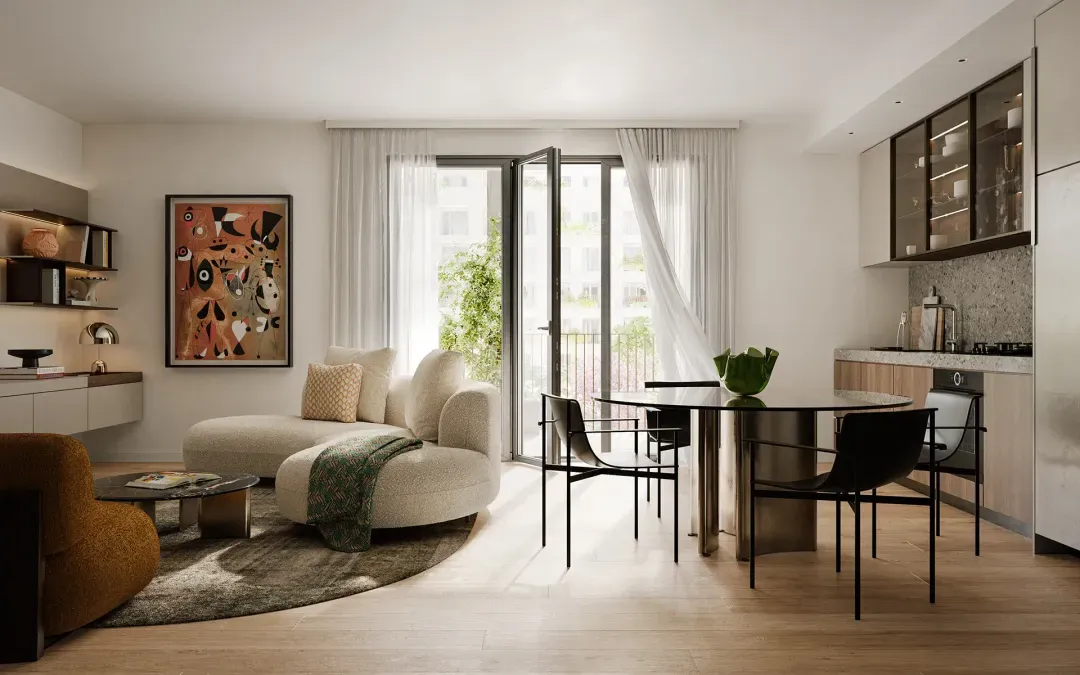
Quick answer: Florence and Rome are Italy’s two UNESCO-heavy capital-of-culture property markets, yet they price different bets. Florence averages €4,737/m² with art-tourism STR demand and strict centro storico rental caps. Rome prime districts trade €3,500-6,500/m² with Jubilee 2026 lifting foreign enquiries 44.7%, broader year-round tenancy, and gross yields of 2.5-5%. Florence wins on Renaissance prestige per square metre; Rome wins on market depth, entry flexibility, and mixed income strategies.
City depth: Tuscany property investment guide, Rome property investment guide, and Italy property investment guide.
Quick Comparison: Florence vs Rome Property Investment 2026
Florence and Rome both sell Italian civilization to foreign buyers, but their investment maths diverge. Florence compresses demand into a walkable Renaissance core with aggressive STR regulation. Rome spreads demand across government, diplomacy, pilgrimage, and mass tourism with larger resale volume. Use the table before choosing a street.
| Factor | Florence | Rome |
|---|---|---|
| City avg €/m² (2026) | €4,737 | €3,200-3,900 city-wide |
| Prime historic €/m² | €5,500-8,000 (centro) | €3,500-6,500 (Trastevere, Prati) |
| Long-term gross yield | 2.8-3.8% | 2.5-3.5% |
| STR gross yield (compliant) | 3-4% (permitted zones) | 3.5-5% |
| Foreign buyer profile | American, British, German art buyers | Global lifestyle + Jubilee pilgrims |
| Tourism driver | Uffizi, Duomo, Chianti | Vatican, Colosseum, Jubilee 2026 |
| UNESCO STR stance | Centro bans new STR registrations | Municipio I density scrutiny |
| Resale liquidity | Moderate, lifestyle-weighted | Higher volume, Jubilee tailwind |
| Best hold thesis | 10-15 years prestige + seasonal STR | 8-15 years mixed income + tourism |
Property Prices Per Square Metre
Florence is Tuscany’s pricing anchor and one of Italy’s most expensive provincial cities on a per-metre basis. Aggregated portal data puts city averages near €4,737/m² in 2026, with Oltrarno, San Lorenzo, and Duomo-adjacent stock at €5,500-8,000/m² for restored palazzo floors.
Rome’s headline index looks cheaper because suburban supply dilutes averages. Lazio residential comparators sit near €3,779/m², but prime Rome behaves separately. Trastevere, Prati, and Parioli palazzi range €3,500-6,500/m² depending on elevator, terrace, and conformità status, per our Rome property investment guide.
District price matrix
| Zone | Florence €/m² | Rome €/m² | Investor read |
|---|---|---|---|
| UNESCO historic core | €6,000-8,000 | €4,500-6,500 (Municipio I) | Florence premium on comparable heritage |
| STR-friendly fringe | €4,200-5,500 (Campo di Marte) | €4,000-5,500 (Trastevere fringe) | Rome offers more compliant STR paths |
| Value regeneration | €3,200-4,000 (Novoli) | €2,800-4,200 (Ostiense, EUR) | Rome lower entry on modern stock |
| Trophy address | €8,000+ (Arno-facing) | €6,500+ (Piazza-facing) | Both thin markets, long marketing |
On a 90 m² two-bedroom, Florence centro at €6,500/m² costs €585,000 before tax. Comparable Rome Trastevere at €5,000/m² costs €450,000 with higher STR compliance odds. Florence charges a prestige premium; Rome offers more metres per euro in prime districts.
See our Florence area guide and Rome centro storico area guide for street-level nuance.
Art Tourism and Rental Demand
UNESCO branding supports price stability but tightens exterior renovation rules, STR caps, and Soprintendenza filing timelines on centro stock. Hospitality and agriturismo conversions need commercialista review on land categories, acoustic compliance, and wastewater capacity before marketing harvest-season or event-week income pro formas.
Both cities live on cultural tourism, yet demand shape differs.
Florence receives roughly 16-18 million annual visitors concentrated in a compact centro. Uffizi, Accademia, and Duomo queues drive short-stay apartment demand April through October. Average STR nightly rates on compliant two-bedrooms run €150-280 in peak season. Shoulder seasons thin without conference and government tenants to backfill.
Rome absorbs 30+ million visitors annually plus Jubilee 2026 pilgrimage surges. Vatican access, Colosseum timed entry, and state-sector employment create year-round footfall. Trastevere and Prati STR units achieve 65-75% peak occupancy in compliant setups; long-term diplomatic and university tenants stabilize winter months.
Tourism demand comparison
| Metric | Florence | Rome |
|---|---|---|
| Annual visitors | ~16-18M | ~30M+ |
| Peak season share | April-October | March-November (Jubilee extended) |
| STR nightly (2BR peak) | €150-280 | €140-320 |
| Long-term tenant depth | Moderate (students, academics) | Deep (government, NGOs, universities) |
| 2026 special catalyst | Chianti wine tourism | Jubilee +44.7% foreign enquiries |
Investors who need winter income should weight Rome higher. Investors who accept seasonal peaks for Renaissance address prestige can model Florence on annualized STR spreadsheets with conservative occupancy.
Rental Yields and Income Modelling
Gross yield on portal listings excludes IMU, cedolare secca at 21% or 26%, condominium spese, and realistic vacancy — model net cash flow with commercialista before comparing tickets across communes. Furnished twelve-month contracts and licensed STR paths carry different tax bands and compliance filings that can shift net returns by 150-200 basis points on identical purchase prices.
Neither city is Italy’s yield champion. Compare both against southern regions in our Italy rental yield guide.
Florence gross yields run 3-4% in Campo di Marte and Novoli where STR remains permitted. Centro storico units bought for long-term let may achieve only 2.5-3.5% gross because purchase prices embed UNESCO scarcity.
Rome gross yields span 2.5-3.5% on long-term residential in Prati and 3.5-5% on compliant STR in Trastevere when CIN, CIR, and condominium authorization align. Jubilee year may inflate gross projections; model net after IMU, management, platform fees, and 21% cedolare secca.
Yield scenario table (indicative €500,000 purchase)
| Strategy | Florence net profile | Rome net profile |
|---|---|---|
| Long-term let | 2.5-3.5% gross | 2.5-3.5% gross |
| Compliant STR | 3-4% gross (permitted zones) | 3.5-5% gross (Trastevere, Prati) |
| Mixed strategy | Limited by STR bans | More flexible |
| Student rental | Near university €/m² discount | Sapienza corridors viable |
Always verify CIN status on the exact address before binding purchase. See short-term rental rules Italy.
UNESCO and Heritage Restrictions
UNESCO status protects value and constrains operations simultaneously.
Florence’s centro storico within the historic walls faces some of Italy’s strictest STR bans. New tourist rental registrations in dense zones are blocked; enforcement targets platforms listing non-compliant units. External alterations, window changes, and terrace additions require Soprintendenza approval with 6-18 month timelines.
Rome Municipio I applies density scrutiny, especially near Piazza Navona and Pantheon corridors, yet Trastevere and Prati retain clearer compliant STR paths when condominiums approve tourist use. Heritage vincoli still govern facades and archaeological zones. Abusi edilizi (unauthorized building works) create Rome-specific legal risk that Florence shares but with different enforcement patterns.
Our heritage restricted property Italy guide covers Soprintendenza process and renovation contingencies.
Regulatory comparison
| Rule | Florence | Rome |
|---|---|---|
| Centro STR new registrations | Banned in dense UNESCO core | Restricted, zone-dependent |
| CIN requirement | Yes nationwide | Yes nationwide |
| Condominium tourist-use vote | Critical | Critical |
| Renovation oversight | Soprintendenza strict | Soprintendenza + abusi risk |
| Typical renovation premium | 25-40% above standard | 25-45% above standard |
Buyers who depend on STR income should not assume Florence centro addresses remain legal because a listing existed historically. Rome offers more compliant inventory at similar prestige tiers.
Foreign Buyer Mix and Demographics
Florence punches above its weight on foreign ownership concentration. American and British buyers lead art-tourism and academic purchases, followed by Germans and Swiss second-home hunters. Chinese and Gulf interest concentrates on trophy palazzo floors near the Arno. Foreign share on central transactions often exceeds 30% in peak years because the domestic pool is smaller than Rome.
Rome’s market is larger and more Italian-weighted in outer municipi, yet central districts see rising foreign share driven by Jubilee marketing and lifestyle media. Americans, French, and British buyers lead international rogito counts in Trastevere and Prati. Institutional foreign volume still trails Milan, but Rome’s absolute foreign transaction count exceeds Florence.
For sellers planning exit to international marketing, Rome’s pool is deeper. Florence’s pool pays premium for exact address prestige.
Liquidity and Exit Strategies
Rome’s residential market volume supports faster turnover on correctly priced stock in Trastevere, Prati, and EUR during Jubilee cycles. Expect 4-8 months on clean-title compliant units.
Florence centro apartments sell to lifestyle buyers and American art-world cohorts but investor buyer pools shrink when STR is banned. Well-priced Oltrarno and Campo di Marte units move in 6-10 months. Overpriced restored palazzi can sit 12-18 months.
Both cities punish skipped conformità and hidden abusi at exit when buyers’ notaries re-run urbanistica checks.
Florence vs Siena and Rome vs Milan Context
Florence vs Rome is not Tuscany vs Lazio alone. Compare Florence against Florence vs Siena property for yield-focused Chianti alternatives. Compare Rome against Milan vs Rome property investment for corporate income versus tourism income.
Many portfolios hold zero or one central Italy trophy unit rather than both cities, then add southern yield in Puglia or Sicily per best regions to invest in Italy 2026.
Decision Framework
Choose Florence if:
- Renaissance address prestige is non-negotiable.
- You accept STR bans in centro and will buy in permitted zones or long-term let only.
- You plan 10-15 year hold with Chianti lifestyle use 4-6 weeks annually.
- Your buyer pool at exit is lifestyle-focused, not yield-focused.
Choose Rome if:
- You want Jubilee tourism upside with broader year-round tenancy.
- You need compliant STR paths in Trastevere or Prati at lower €/m² than Florence centro.
- Capital-city liquidity and larger resale volume matter for 7-10 year hold.
- You prefer mixed long-term and short-term income strategies.
How this guide connects to the rest of the site
Continue with Tuscany property investment guide, Rome property investment guide, Florence vs Siena comparison, heritage restricted property Italy, buy property in Italy as a foreigner, and Italy property investment guide.
Ready to compare Florence and Rome listings with CIN status, UNESCO risk, and yield models pre-built? Get a curated shortlist of Italian investment properties matched to your hold period and income strategy.
Closing verification checklist
Use this Italy buyer checklist before compromesso signature or any wire to a notaio escrow account. Your independent avvocato should verify every line; the selling agent does not represent you at rogito.
Identity and tax setup. Confirm codice fiscale is issued and matches passport spelling exactly. Non-EU buyers need MAECI reciprocity confirmation in writing from the notaio file before deposit release. Open an Italian bank account or confirm your foreign bank can wire large euro sums with documented purpose codes.
Title and cadastral consistency. Request visura catastale storica and compare room counts, surface area, and category class against the on-site geometra survey. Mismatches between APE certificates, listing floor plans, and cadastral maps trigger registration delays and tax reassessments. Search for abusi edilizi (unauthorised works) on pools, terraces, and roof conversions; regularisation fines can exceed €10,000 on rural stock.
Condominium and municipal debts. Obtain certificato di regolarità contributi from the building administrator and verify no pending condominium lawsuits. Check IMU arrears and municipal service charges with the Comune; unpaid debts can transfer to the buyer after rogito.
Rental and licensing. If income matters, verify CIN (Codice Identificativo Nazionale) transferability or obtain a new CIN before marketing. Read condominium regolamento for tourist-use bans. Confirm SCIA or CIL filings for any structural work completed in the last five years. Model cedolare secca at 21% long-term or 26% short-term on gross rent, not net screenshots from listing portals.
Closing economics. Budget registration tax at 9% on second homes (2% only with prima casa and residency registration within 18 months). Add notary fees of 1% to 2%, agent commission if applicable, geometra survey, and mortgage bank costs. Wire only to the notaio conto provvisorio; never to seller personal accounts.
Exit planning. Italian plusvalenza may apply on sales within five years of purchase. Keep F24 payment receipts, renovation invoices, and rogito copies for capital gains calculations in Italy and your home country. If you hold through a company structure, confirm annual corporate filings and IVAFE exposure before year-end.
Remote purchase. Apostilled power of attorney must match the exact property description in compromesso. Allow two to three weeks for consular legalisation if buying from abroad. Schedule rogito only after mortgage perizia approval and abusi clearance are documented in writing.
Cross-check regional rules in our due diligence Italy property, cost of buying property Italy, and short-term rental rules Italy guides before final offer. Keep a single shared spreadsheet of offer dates, deposit wires, and permit expiry dates so nothing slips past rogito. Insider tip: Model both cities with identical capital and hold period before choosing — per sqm gaps often reverse after IMU, cedolare secca, and vacancy assumptions.
Frequently Asked Questions
Florence suits buyers who accept €4,737/m² average pricing for Renaissance prestige and 3-4% gross yields in compliant zones. Rome suits investors who want capital-city depth, Jubilee upside, prime stock at €3,500-6,500/m², and 2.5-5% yields.
Florence averages near €4,737/m² with centro at €5,500-8,000/m². Rome prime districts trade €3,500-6,500/m² with city-wide averages near €3,779/m². Florence commands a premium on comparable historic core metres.
Rome can reach 3.5-5% gross on compliant STR in Trastevere and Prati. Florence centro STR faces tighter caps with 3-4% in permitted zones. Neither is a pure yield market.
Florence centro bans new STR registrations in dense UNESCO zones. Rome Municipio I applies scrutiny but allows more compliant STR paths in Trastevere and Prati. Both require Soprintendenza approval on listed buildings.
Florence attracts higher foreign share relative to city size with American and British art buyers. Rome's larger domestic base dilutes percentages, yet Jubilee 2026 pushed foreign enquiries up 44.7%.
Florence concentrates Uffizi and Duomo demand April-October. Rome adds Vatican, Colosseum, and state-sector tenants year-round with broader demand base.
Rome's larger volume supports faster resale on well-priced Trastevere and Prati units. Florence centro sells to lifestyle buyers but STR limits shrink investor pool.
Buy Florence for Renaissance prestige and Chianti proximity accepting STR risk. Buy Rome for capital-city liquidity, mixed income, and Jubilee tourism upside.
Florence centro restoration runs €1,500-2,500/m² under Soprintendenza rules. Rome heritage units run €1,400-2,400/m² with abusi edilizi risk. Budget 30-40% contingency on pre-1970 stock.
Get an Italy property shortlist
Tell us your budget and region (Tuscany, Lake Como, Puglia, Milan, Sardinia). We reply within one business day with options matched to your goals.