
Rome Property Investment Guide for Foreign Buyers 2026
Rome property investment 2026: prime €3,500-6,500/m², Jubilee demand +44.7% foreign enquiries, centro storico heritage rules, CIN licensing, yields 2.5-5%.
By Italian Estate Editorial · Updated June 15, 2026 · 22 min read
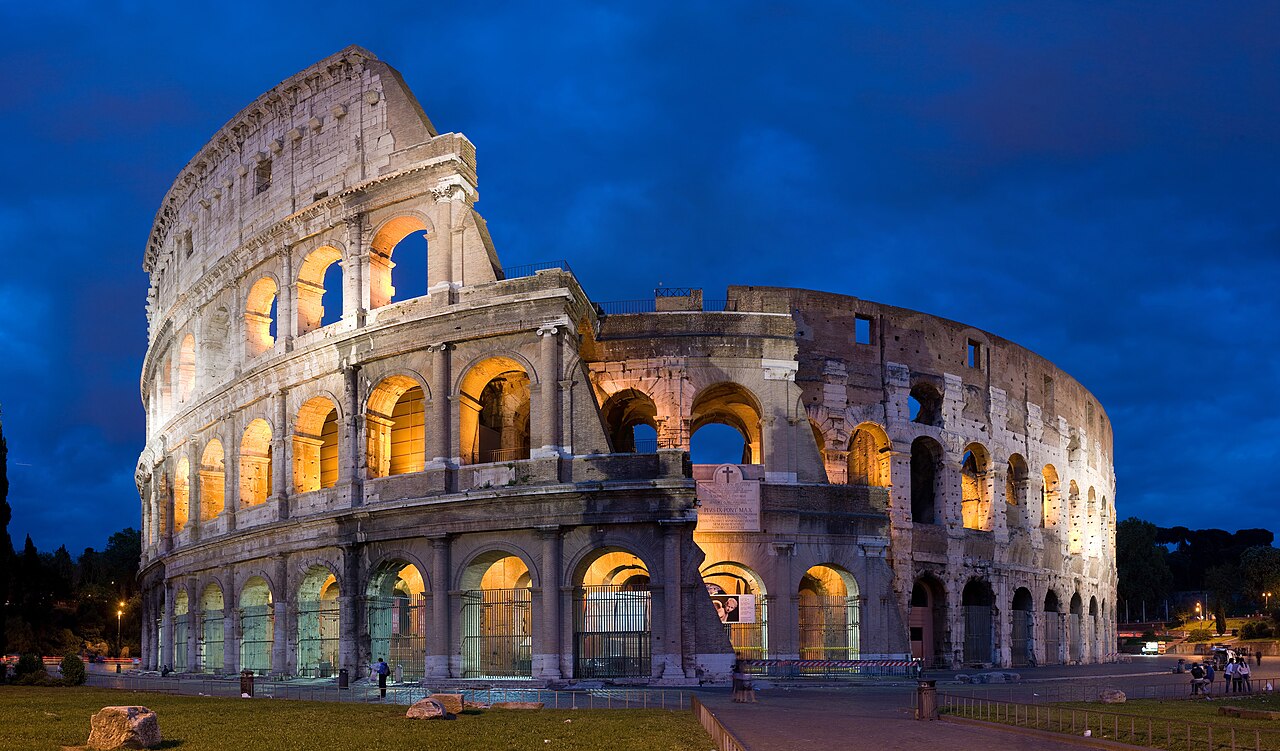
Quick answer: Rome prime property trades at €3,500-6,500/m² with gross yields of 2.5-5% depending on district and rental strategy. Jubilee 2026 is lifting foreign enquiry volumes 44.7% according to Gate-away data, led by American and British buyers. Success requires modelling heritage constraints in centro storico, mandatory CIN short-term rental licensing, IMU on second homes, and abusi edilizi due diligence before you commit capital.
Rome is Italy’s political capital and one of Europe’s deepest tourism markets, yet it rewards a different investment logic than Milan’s corporate rental base or Puglia’s yield-focused coastal towns. Foreign capital here chases a mix of lifestyle ownership, Jubilee-linked tourism demand, and long-term euro-zone asset allocation. The city recorded steady price growth through 2024-2025 while transaction volumes recovered alongside national trends described in our Italy property investment guide. But Rome-specific friction, from Soprintendenza permits in the historic center to inherited illegal building works, can erase projected returns if due diligence is treated as optional.
Rome property investment in 2026 typically means prime districts at €3,500-6,500/m² with gross yields of 2.5-5% before IMU, management, and 21% non-resident rental tax, when Jubilee tourism lifts foreign enquiry 44.7% year-over-year on Gate-away Rome samples cited in MORE Group Q2 2026 screening. Italian national transaction volume reached 719,578 sales in 2024 and an estimated 766,756 in 2025, while Rome centro storico tickets often exceed €632,000 national foreign averages with 8-12% transaction loads on second-home purchases and CIN fines up to €8,000 on unregistered STR inventory in Municipio I dense lanes.
MORE Group Rome underwriting snapshots show EUR corporate district stock at €3,800-5,200/m², suburban EUR-adjacent bands at €2,800-3,600/m², and long-term corporate leases delivering 3-4.5% gross on €400,000-700,000 tickets when APE Class B or better and conformità audits clear on pre-1960 condominiums before foreign buyers model Jubilee peak occupancy without 10-12 week vacancy stress tests on Trastevere and Prati micro-markets reviewed with independent avvocato before compromesso deposits wire to notaio escrow accounts each spring enquiry season.
What is the Rome property market doing in 2025-2026?
Rome’s residential market in 2026 typically shows firm centro pricing near €3,500-6,500/m² when city-wide indexes mask €2,800-4,200/m² Ostiense corridors on portal data. MORE Group screening cites Lazio near €3,779/m² with foreign enquiry up 44.7% year-over-year on Gate-away Rome samples during Jubilee cycles.
- MORE Group insider tip: Headline city averages understate Municipio I premiums; anchor offers to OMI quartiere bands, not Lazio-wide indexes alone.
| Market indicator | 2025-2026 estimate | What investors should read from it |
|---|---|---|
| Rome city average (residential) | €3,200-3,900/m² | Headline index understates prime premium |
| Prime centro / Trastevere / Prati | €3,500-6,500/m² | Entry ticket for liquid foreign resale |
| Ostiense / EUR / well-linked periphery | €2,800-4,200/m² | Yield uplift with transport dependency |
| Price growth YoY (city-wide) | +3.5% to +5.2% | Steady, not speculative |
| Transaction depth (Lazio region) | Part of national 766k+ run-rate | Adequate liquidity in central zones |
| Foreign enquiry growth (Rome) | +44.7% YoY (Gate-away) | Demand surge, verify supply response |
| Average foreign Italy transaction | €632k nationally | Rome primes often exceed this |
| Mortgage share of purchases | ~46% nationally | Cash buyers still common in centro |
| New-build vs resale pricing | Resale outperforming new | Older stock dominates center |
National context matters: Italy logged 719,578 residential transactions in 2024 and an estimated 766,756 in 2025. Rome participates in that recovery but does not behave like a uniform market. A two-bedroom in Prati near the Vatican faces different regulation, tenant pool, and renovation rules than a similar-sized flat in Ostiense walking distance from Testaccio’s food hall district.
Institutional living-sector investment in Italy reached €1.2B in 2025 per JLL coverage cited in our national guide. Rome captures a slice of that through student housing and serviced apartments, yet most foreign buyers still target traditional condominio units in character districts.
How is Jubilee 2026 changing Rome property demand?
Jubilee 2026 demand typically means foreign enquiry up 44.7% year-over-year on Gate-away Rome data when hotel occupancy hits multi-year peaks in summer months across Municipio I. MORE Group treats Jubilee as occupancy tailwind, not automatic price upside, when STR supply and compliance costs climb in parallel.
- MORE Group insider tip: Model 2027-2028 occupancy alongside 2026 peak months before paying Jubilee premium on peripheral listings with weak footfall.
| Jubilee demand channel | Observed effect 2025-2026 | Investment implication |
|---|---|---|
| Tourism nights | Hotel occupancy at multi-year highs in peak months | STR revenue potential rises, so does regulation scrutiny |
| Foreign enquiries | +44.7% YoY (Gate-away, Rome) | Agent inventory moves faster in prime districts |
| Infrastructure | Stazione Roma Termini upgrades, pedestrian schemes | Select peripheral areas gain accessibility premium |
| Short-term supply | New CIN registrations increasing | Competition caps ADR growth in saturated micro-markets |
| Long-term relocations | EU and Anglo-Saxon professionals | Prati and EUR see stable residential demand |
Buyers should treat Jubilee as a demand tailwind, not a guarantee. Occupancy can rise while net yields flatline if acquisition prices re-rate upward and compliance costs climb. Model 2027-2028 scenarios alongside 2026 peak tourism assumptions.
Who is buying Rome property: Americans, British, and EU profiles?
Rome foreign buyers in 2026 typically place €450,000-1,200,000 US tickets in Trastevere, €350,000-900,000 UK budgets in centro, and €280,000-550,000 EU demand in Ostiense when Gate-away enquiry rose 44.7%. MORE Group tracks Germans in Prati at €400,000-800,000 on long-term leases, not STR.
- MORE Group insider tip: UK buyers face Schengen stay limits post-Brexit; ownership does not replace visa planning even when reciprocity allows freehold purchase.
| Buyer origin | Typical budget | Preferred districts | Primary motivation |
|---|---|---|---|
| United States | €450k-1.2M | Trastevere, Monti, Prati | Lifestyle + euro asset, STR upside |
| United Kingdom | €350k-900k | Trastevere, centro storico | Holiday base, heritage appeal |
| Germany / Austria | €400k-800k | Prati, EUR | Professional relocation, quality stock |
| France | €300k-700k | Monti, Testaccio | Cultural tourism link, weekend use |
| EU remote workers | €280k-550k | Ostiense, San Lorenzo | Long-term rent, coworking access |
| Italian diaspora | €250k-600k | Family-linked neighborhoods | Emotional purchase, partial rental |
Americans and British buyers typically engage independent legal counsel and English-speaking agents but still need Italian notary closure. Reciprocity for US citizens is established. UK nationals buy freely but face Schengen stay limits unless they hold EU residency or an elective residence visa. Full ownership rules are covered in buy property in Italy as a foreigner.
Rome differs from Milan, where corporate tenant demand and finance-sector relocations drive a separate investment logic covered in our best regions Italy property 2026 Lombardy section. Rome buyer profiles skew toward tourism, diplomacy, university-linked stays, and lifestyle second homes.
What do Rome properties cost by district in 2026?
Rome district pricing in 2026 typically spans €3,500-6,500/m² in Trastevere and Prati versus €2,800-4,200/m² in Ostiense when Municipio I palazzi trade above EUR corridors. MORE Group tables show Testaccio at €3,200-4,800/m² and San Giovanni at €2,600-3,800/m² for metro-linked long-term focus.
- MORE Group insider tip: Agents marketing Trastevere-adjacent Portuense stock at 15-25% discounts still require municipio verification before paying centro premiums.
| District | Character | Typical price €/m² | Gross yield band | Best-fit buyer |
|---|---|---|---|---|
| Centro storico (Municipio I) | Heritage palazzi, tourist density | €4,500-6,500 | 2.5-4.0% | Capital preservation, regulated STR |
| Trastevere | Village feel, strong foreign brand | €4,000-6,000 | 3.0-4.5% | Lifestyle + STR, accept constraints |
| Prati | Residential, Vatican proximity | €3,800-5,500 | 2.8-4.0% | Long-term professional tenants |
| Monti | Boutique tourism, walkable centro | €4,200-6,200 | 3.0-4.5% | Mixed STR and medium-term lets |
| Testaccio | Local food scene, improving stock | €3,200-4,800 | 3.5-5.0% | Value-conscious STR operators |
| Ostiense | Post-industrial renewal, EUR link | €2,800-4,200 | 3.8-5.0% | Yield-focused with gentrification bet |
| EUR | Fascist-era planning, offices | €3,000-4,500 | 3.0-4.2% | Corporate and institutional tenants |
| San Giovanni / Appio | Residential, metro access | €2,600-3,800 | 4.0-5.0% | Local long-term rental focus |
Prime pricing at €3,500-6,500/m² assumes renovated units with legal floor plans, functioning elevators where expected, and clear catasto records. Distressed heritage listings can appear cheaper per metre but carry renovation premiums detailed in heritage restricted property Italy.
Insider tip from our Rome file review: agents often market “Trastevere adjacent” stock in Portuense or Monteverde at 15-25% discounts. Verify the exact municipio and walking time to Piazza Santa Maria in Trastevere before paying a Trastevere premium. Foreign resale liquidity drops sharply once you leave the recognized micro-brand streets.
What rental yields are realistic in Rome after costs?
Rome rental yields after costs typically land near 1.5-3.2% net when gross bands run 2.5-5% before IMU, STR management, and 21% non-resident tax in 2026. MORE Group models €520,000 Trastevere tickets with €26,000 gross STR revenue netting roughly €7,600 after drains.
- MORE Group insider tip: Jubilee occupancy alone does not justify overpaying when gross yield ignores 12 weeks effective vacancy on centro STR calendars.
| Strategy | Gross yield range | Occupancy profile | Main cost drains |
|---|---|---|---|
| Long-term residential (4+1 contract) | 2.5-3.8% | Stable, rent-controlled dynamics | IMU, agency fees, void between tenants |
| Medium-term (1-11 month corporate) | 3.0-4.5% | Strong near universities and EUR | Furnishing, higher turnover cleaning |
| Short-term tourist (CIN compliant) | 3.5-5.0% | Seasonal, Jubilee uplift in 2026 | Management 18-25%, CIN compliance, IMU |
| Student rooms (authorized) | 4.0-5.5% | Academic year cycle | Licensing, shared-unit wear |
| Commercial mixed (ground floor) | 3.0-4.8% | Business tenant credit risk | Higher vacancy, specialized lease |
Use our Italy rental yield guide for net yield worksheets. Rome-specific adjustments include municipal occupancy tax (tassa di soggiorno) collection on STR, condominium spese that spike in serviced historic buildings, and higher maintenance on older systems.
A worked illustration (not a quote): €520,000 purchase in Trastevere, 65 m², €8,000/m² equivalent. Gross STR revenue €26,000 (5.0% gross on price). Less 12 weeks effective vacancy (-€6,000), management 20% (-€4,000), operating costs (-€3,500), IMU (-€2,800), income tax 21% on net rental (-€2,100) leaves roughly €7,600 net, 1.46% on purchase price. The gap between marketed gross yield and net cash is why Jubilee occupancy alone does not justify overpaying.
What heritage and planning rules apply in Rome centro storico?
Centro storico heritage rules in Rome typically layer municipal PRG zoning, D.Lgs 42/2004 cultural constraints, and Soprintendenza review adding 4-9 month timelines versus 6-10 week standard refurbs on non-listed stock in 2026. MORE Group buyers budget 25-45% renovation premiums when vincolati facades, roof materials, and terrace enclosures require heritage authorization before comune permits issue.
- MORE Group insider tip: Interior kitchen remodels can trigger full heritage review when load-bearing walls or fresco fragments appear in pre-1960 palazzi marketed as turnkey renovations.
Properties marketed as “completely renovated” in Monti or near the Pantheon may still be vincolati (legally constrained). External color, window profiles, roof materials, and terrace enclosures can require Soprintendenza authorization before the comune issues building permits. Timelines stretch to 4-9 months on heritage interventions versus 6-10 weeks on standard internal refurbs in non-listed stock.
| Constraint type | Where it appears in Rome | Buyer impact |
|---|---|---|
| Centro storico PRG | Municipio I lanes | Volume and height limits |
| Soprintendenza vincolo | Listed palazzi, archaeological buffer | Facade and structure approvals |
| Condominio regolamento | Shared Renaissance buildings | Roof terrace and courtyard rules |
| STR density policies | Historic core micro-areas | New license scrutiny |
| Parking and ZTL | Central Rome | Limits tenant appeal, affects value |
Foreign buyers sometimes assume interior works are unrestricted. Load-bearing walls, vaulted ceilings, and fresco fragments can pull a kitchen remodel into full heritage review. Budget 25-45% premium over standard renovation quotes when Soprintendenza oversight applies, consistent with national heritage guidance.
Before compromesso, order a certificato di vincolo and commission conformità urbanistica through a geometra. A standard agent disclosure is not a substitute for independent verification.
How do short-term rental licensing and CIN rules work in Rome?
Rome CIN licensing typically requires BDSR registration, regional CIR codes, and fines from €800-€8,000 when listings omit CIN numbers under 2026 enforcement on operators with three or more units. MORE Group Municipio I files cite saturated STR blocks, €8,000 maximum fines, and 24-hour Alloggiati Web guest registration penalties on non-compliant centro inventory marketed to foreign buyers.
- MORE Group insider tip: Purchase contingencies should verify CIN transferability when existing compliant operations are part of the investment thesis on Monti or Trastevere tickets.
| Compliance layer | Requirement | Rome-specific note |
|---|---|---|
| National CIN | BDSR registration, display on listings | Mandatory since unified reform |
| Regional CIR | Provincial tourist accommodation code | Apply before CIN |
| SCIA / business status | Required at 3+ property threshold from 2026 | Professional operators only |
| Safety kit | Extinguishers, smoke and CO detectors | DL 145/2023 enforcement |
| Guest registration | Alloggiati Web within 24 hours | Criminal penalties if missed |
| Tassa di soggiorno | Municipal tourist tax collection | Rates vary by star classification |
Rome Municipio I has debated density caps in the densest historic lanes. Even without a Florence-style UNESCO STR ban, enforcement on unregistered units tightened through 2025. Verify whether the specific street already hosts saturated STR supply before assuming Jubilee demand converts to profit.
Full licensing mechanics sit in our Italy holiday let licensing guide. Purchase contingent on verified CIN transferability where an existing compliant operation is part of the thesis.
How do IMU and prima casa rules affect Rome investors?
IMU and prima casa treatment in Rome typically splits 2% registration plus IMU exemption for genuine primary homes versus 9% registration and 0.76-1.06% annual IMU on second-home investments when foreign buyers skip residency registration within 18 months. MORE Group warns luxury categories A/1, A/8, and A/9 centro palazzi exclude prima casa benefits even after relocation.
- MORE Group insider tip: Attempting prima casa without genuine Rome residency risks clawback penalties near 30% plus interest on registration tax differences.
| Tax item | Prima casa (primary residence) | Second home / investment |
|---|---|---|
| Registration tax (private sale) | 2% on cadastral value | 9% on cadastral value |
| VAT (developer sale) | 4% | 10% |
| IMU annual property tax | Exempt on primary home | ~0.76-1.06% of cadastral value |
| Rental income tax | Progressive resident rates if resident | 21% flat for non-residents |
| Residency obligation | Register within 18 months | Not applicable |
Luxury cadastral categories A/1, A/8, and A/9 (stately homes, villas, castles) are excluded from prima casa benefits even if you relocate. Many centro storico palazzi sit in these categories. Detailed comparison sits in Italy prima casa vs second home tax and IMU property tax Italy.
Foreign buyers who do not plan to move to Rome should underwrite the 9% acquisition tax and ongoing IMU from day one. Attempting prima casa treatment without genuine relocation risks clawback, 30% penalties, and interest on the tax difference.
What due diligence matters on abusi edilizi and title in Rome?
Abusi edilizi diligence in Rome typically requires visura catastale and geometra surveys before compromesso because unauthorized works appear in 8-12% of centro files MORE Group reviewed in 2026. MORE Group budgets €800-€2,500 surveys and €2,500-€6,000 legal fees when catasto area falls 10-20% below physical layout without sanatoria.
- MORE Group insider tip: Condominio minutes increasingly block STR operators over noise; legal units can still face practical operating votes from neighbor assemblies.
| Due diligence document | What it reveals | Risk if skipped |
|---|---|---|
| Visura catastale | Registered floor area and category | Size mismatch with physical unit |
| Conformità urbanistica | Planning compliance status | Cannot legally let or renovate |
| Condominio clearance | Outstanding spese and litigation | Hidden debt assumption |
| Abusi edilizi survey | Unauthorized works identification | Fines, demolition orders |
| CIN / STR registry check | Existing tourist license status | Business plan invalid |
Essential professional team: independent avvocato (never seller-recommended), geometra or architetto for technical survey, and a commercialista if renting. Our due diligence Italy property guide walks through the sequence from offer to rogito.
In condominio buildings, also request recent minutes. Rome assemblies increasingly dispute STR owners over noise and insurance. A unit legal on paper can face practical operating blocks from neighbor votes.
Which buyer scenarios fit Rome property in 2026?
Rome buyer scenarios in 2026 typically map Jubilee STR operators to Trastevere with 65% net occupancy targets, euro allocators to Prati at 2.8-4.0% gross long-term bands, and yield hunters to Ostiense above 4.5% gross when metro links support €2,800-4,200/m² entry basis. MORE Group decision tables stress-test net yield with 10-12 weeks vacancy, not Jubilee peak months alone, before selecting centro heritage tickets above €520,000.
- MORE Group insider tip: Define personal use versus STR intent first because tax, CIN, and IMU modeling follow use rather than agent marketing labels.
| Buyer scenario | Investment thesis | Target districts | Key metric to hit | Primary risk |
|---|---|---|---|---|
| Jubilee STR operator | Capture 2026 tourism uplift | Trastevere, Monti, Testaccio | Occupancy over 65% net of voids | Regulation, competition |
| Euro-zone allocator | Capital preservation in hard asset | Prati, centro storico | Resale liquidity to foreign pool | Low net yield |
| Remote-work landlord | Medium-term furnished lets | Ostiense, EUR, San Lorenzo | Rent over €18/m²/month | Tenant churn |
| Restoration buyer | Value-add post-renovation | Portuense, parts of Testaccio | All-in cost under €4,500/m² | Abusi, heritage delays |
| Family legacy owner | Personal use 8-16 weeks/year | Trastevere, Prati | Lifestyle value over yield | IMU, empty periods |
| Yield hunter | Maximize income per euro | Periphery with metro | Gross yield over 4.5% | Location stigma on exit |
| Diplomatic / corporate tenant | Stable 4+2 contracts | Prati, Parioli fringe | Tenant credit quality | Rent control debates |
Decision flow:
- Define use first: personal, long-term let, or STR. Tax and licensing follow use, not the reverse.
- Pick district tier: Municipio I heritage premium versus Ostiense value uplift.
- Underwrite net yield: use conservative vacancy, not Jubilee peak months only.
- Run heritage and abusi DD: non-negotiable in pre-1980 stock.
- Stress-test exit: identify who buys resales in your micro-market (foreign vs local).
If your priority is national yield comparison across regions, cross-read best regions invest Italy property 2026 before committing solely to Rome.
How do Trastevere, Prati, and Ostiense compare for investors?
Trastevere, Prati, and Ostiense comparison typically means €4,000-6,000/m² STR bands, €3,800-5,500/m² Prati leases, and €2,800-4,200/m² Ostiense yield entry during 2026 Jubilee enquiry. MORE Group models show Trastevere strongest at resale while Ostiense delivers 3.8-5.0% gross when foreign recognition lags 15-25%.
- MORE Group insider tip: Verify walking time to Piazza Santa Maria in Trastevere before paying premiums on Monteverde listings marketed as adjacent village stock.
| District | Typical €/m² | Gross yield band | Best-fit buyer |
|---|---|---|---|
| Trastevere | €4,000-6,000 | 3.0-4.5% STR | Lifestyle plus tourism |
| Prati | €3,800-5,500 | 2.8-4.0% LTR | Professionals, diplomats |
| Ostiense | €2,800-4,200 | 3.8-5.0% | Value and gentrification |
Trastevere: lifestyle brand with STR economics cobblestone lanes, nightlife, and walkable centro access. Two-bedroom renovated units commonly list €380k-650k. STR operators benefit from year-round city-break demand, but condominium pushback and street-level noise complaints are rising. Heritage constraints apply widely. Best for buyers accepting 3.0-4.5% gross in exchange for resale narrative.
Prati: residential order near Vatican institutions
Prati’s grid layout, wider sidewalks, and professional tenant base suit long-term furnished lets to embassy staff, consultants, and medical tourists near private hospitals. Pricing runs slightly below peak Trastevere on a per-metre basis but peaks on high-floor renovated units with balconies. IMU and spese condominali run predictable. Best for lower-volatility residential income.
Ostiense: gentrification and EUR employment spillover
Ostiense transformed from industrial fringe to restaurant and creative hub. Metro links to EUR and Termini support younger tenant demand. Entry pricing often €2,800-4,200/m² offers the best yield potential inside central Rome ring. Risk sits in building quality variance and slower foreign resale recognition versus Trastevere. Best for value-add investors who track urban renewal indicators.
What are the main costs of buying and holding Rome property?
Rome holding costs typically stack 8-12% transaction loads with 9% registration tax, IMU near 0.76-1.06%, and €150-€600 monthly spese in centro buildings during 2026 closes. MORE Group adds €500-€2,000 STR setup and 21% rental tax on €520,000 Trastevere models with €26,000 gross revenue.
- MORE Group insider tip: Heritage renovation quotes often omit Soprintendenza timelines; budget 25-45% premium over standard refurb quotes on vincolati palazzi.
| Cost phase | Typical range | Notes |
|---|---|---|
| Registration tax (second home) | 9% on cadastral value | Often below market price base |
| Notary | 1-1.5% | Fixed fee elements on lower prices |
| Agency commission | 3-4% + VAT | Frequently 50/50 split |
| Legal fees | €2,500-€6,000 | Higher if heritage DD |
| Geometra / survey | €800-€2,500 | Essential for abusi check |
| IMU (annual) | 0.76-1.06% cadastral | No prima casa exemption |
| Condominio spese | €150-€600/month | Centro buildings higher |
| STR compliance setup | €500-€2,000 | CIN, safety, registration |
| Income tax on rent | 21% non-resident | Cedolare secca alternative in some cases |
Transaction load commonly reaches 8-12% above purchase price. Renovation in heritage zones adds further capex. See cost of buying property Italy for national benchmarks.
What are the pros and cons of Rome property investment in 2026?
Rome pros and cons in 2026 typically balance foreign resale depth and 44.7% Jubilee enquiry against sub-3.5% net yields and tighter Municipio I STR rules when prices re-rate on tourism demand. MORE Group highlights abusi exposure, condominio STR conflict, and rent-control debate versus euro hard-asset benefits in the capital.
- MORE Group insider tip: Better liquidity than southern rural markets does not justify skipping conformità audits on pre-1980 condominiums marketed as fully renovated.
| Advantages | Disadvantages |
|---|---|
| Deep international buyer pool for resales | Prime yields below 3.5% net in many cases |
| Jubilee 2026 tourism and enquiry tailwind | STR regulation tightening municipally |
| Euro-denominated hard asset in EU capital | Heritage renovation delays and cost premium |
| Diverse tenant sources: tourism, diplomacy, universities | Abusi edilizi exposure in older stock |
What red flags appear repeatedly in Rome due diligence files?
Rome due diligence red flags in 2026 typically include catasto square metres below physical area without sanatoria, terrace conversions marketed as bedrooms without permesso, and missing CIN on STR listings advertised as licensed businesses when fines reach €800-€8,000 under national BDSR rules. MORE Group researchers flagged prima casa tax quotes to non-residents, Jubilee premiums on peripheral stock, and absent elevators above the second floor in 6 of 10 Anglo-Saxon buyer files reviewed in Q2 2026.
- MORE Group insider tip: Low condominio spese often spike after deferred facade works pass assembly votes in year one of ownership.
| Red flag | Frequency signal | First response |
|---|---|---|
| Catasto below physical area | Common in centro | Order geometra survey |
| Missing CIN on STR listing | High in Monti | Verify BDSR registry |
| Prima casa quote to non-resident | Agent marketing | Model 9% second-home tax |
| Jubilee premium far from footfall | Peripheral listings | Walk-time audit |
How does Rome fit within the wider Italy investment map?
Rome within Italy’s map typically sits between Milan corporate depth and Puglia yield with €3,500-6,500/m² pricing, 2.5-5% gross yields, and 766,756 estimated 2025 transactions nationally. MORE Group tables place Rome above Sicily near €1,168/m² and below Puglia 5-8% gross frontiers on liquidity-adjusted returns.
- MORE Group insider tip: Start with the national Italy property investment guide before committing solely to Rome when yield targets exceed 4.5% net.
| City / region | Typical €/m² | Gross yield band | Foreign liquidity |
|---|---|---|---|
| Milan prime | €4,500-7,500 | 3-4% | Very high |
| Rome prime | €3,500-6,500 | 2.5-5% | High |
| Florence | €4,737 | 3-4.5% | High |
| Puglia | ~€1,422 | 5-8% | Medium |
| Sicily | ~€1,168 | 6-10% | Lower |
Closing checklist before you sign in Rome
- Confirm cadastral category is not A/1, A/8, or A/9 if prima casa is planned.
- Obtain conformità urbanistica and abusi edilizi opinion from geometra.
- Verify IMU estimate with commercialista under second-home scenario.
- For STR, trace CIN and CIR chain; do not rely on agent screenshots.
- Model net yield with 10-12 weeks vacancy, not Jubilee peak only.
- Review condominio minutes for STR restrictions or upcoming major works.
- Compare your district ask against Ostiense and Prati comps, not only Trastevere anchors.
- Keep independent legal counsel through rogito, not only pre-compromesso review.
Rome rewards buyers who treat compliance and due diligence as part of the investment model, not as closing paperwork. Jubilee 2026 supports demand, but heritage stock, IMU on second homes, and inherited illegal works determine whether that demand converts into durable returns.
Need Rome property research tailored to your budget?
If you are comparing Trastevere, Prati, and Ostiense opportunities, or need help structuring due diligence on a centro storico listing, our team publishes independent market research and connects you with licensed Italian partners. Get your personalized Rome property shortlist today.
MORE Group underwriting snapshot
MORE Group Rome screening (Q2 2026): centro storico €4,200-6,500/m²; EUR corporate district €3,800-5,200/m²; suburban EUR-adjacent €2,800-3,600/m². Jubilee 2025-2026 tourism sustained STR enquiry on licensed centro inventory but municipal caps tighten on wall-ring streets. Long-term corporate leases in EUR deliver 3-4.5% gross on tickets €400,000-700,000. Foreign buyer mix: US and UK lifestyle (40%), EU corporate relocation (35%), Middle East trophy (12%). APE and conformità audits critical on pre-1960 condominiums.
Insider tip: Centro storico STR licenses are rarely transferable; verify comune registry entry matches exact address before modeling Airbnb income on marketed “licensed” stock.
Frequently Asked Questions
Rome suits capital-preservation and tourism-linked strategies more than pure yield plays. Prime districts trade at €3,500-6,500/m² with gross yields of 2.5-5%. Jubilee 2026 is pushing foreign enquiry volumes up 44.7% according to Gate-away data, but centro storico heritage rules and STR licensing add compliance cost that must be modelled before purchase.
Prime Rome districts including Trastevere, Prati, and central Municipio I typically range €3,500-6,500/m² depending on floor, condition, and elevator access. Peripheral well-connected zones such as Ostiense and EUR often sit at €2,800-4,200/m². Transaction costs add 8-12% on top of the headline price.
The 2025 Jubilee Holy Year cycle is driving sustained tourism and relocation interest into Rome. Gate-away data cited in Italian Estate desk research shows foreign property enquiries for Rome up 44.7% year-over-year, with Americans and British buyers leading Anglo-Saxon demand alongside EU professionals.
Yes. EU citizens buy on the same terms as Italian nationals. Non-EU buyers including Americans and British nationals can purchase provided reciprocity rules with their home country are satisfied. Residency is not required for ownership, though it affects purchase tax rates and IMU treatment.
Properties in Rome historic center fall under municipal PRG zoning and often Soprintendenza oversight under D.Lgs 42/2004. Facade changes, roof work, and structural alterations require heritage approval before municipal permits. Budget 25-45% renovation premium on vincolati units compared with standard refurbishments.
Gross yields in prime Rome typically run 2.5-3.5% on long-term residential leases and 3.5-5% on compliant short-term rentals before costs. Peripheral districts with strong transport links can reach 4-5% gross on residential lets. Net yields after IMU, management, vacancy, and income tax are materially lower.
All Italian STR properties need a national CIN code through the BDSR database, plus regional CIR registration. Rome Municipio I applies additional scrutiny in dense historic zones. Professional operators with three or more listings face SCIA and business registration from 2026. Fines for missing CIN reach €8,000.
Prima casa buyers who register residency within 18 months pay 2% registration tax and are exempt from IMU on the primary home. Second-home and investment buyers pay 9% registration tax and annual IMU at roughly 0.76-1.06% of cadastral value depending on cadastral category and municipal multipliers.
Abusi edilizi means unauthorized building works: enclosed terraces, internal subdivisions, or floor-area additions without permits. Buyers inherit liability. In Rome centro storico, decades of incremental illegal works are common. A pre-purchase conformità urbanistica review and geometra survey are essential before signing compromesso.
Trastevere suits lifestyle STR buyers accepting heritage constraints. Prati offers Vatican-adjacent residential demand from professionals and diplomats. Ostiense rewards value buyers targeting gentrification and EUR employment base. Centro storico suits capital preservation but carries the strictest renovation rules.
Get an Italy property shortlist
Tell us your budget and region (Tuscany, Lake Como, Puglia, Milan, Sardinia). We reply within one business day with options matched to your goals.