
Italy Property for Israeli Buyers: Complete 2026 Guide
Israeli buyer guide to Italy: full reciprocity, Tel Aviv codice fiscale, SWIFT wire transfers, title security, Milan/Rome/Tuscany, Israel-Italy tax treaty.
By Italian Estate Editorial · Updated June 26, 2026 · 14 min read
Quick answer: Israeli citizens buy Italian property with full reciprocity and freehold title registered at the Conservatoria. The practical path runs through codice fiscale at the Tel Aviv embassy, SWIFT wire transfers to notaio escrow with documented source of funds, independent due diligence, compromesso signing, and rogito completion. Budget 10-15% above the purchase price for closing costs, plan 50-55% cash equity if you want Italian mortgage financing, and model both Israeli worldwide income rules and Italian IMU plus cedolare secca from day one. Top regions: Milan (corporate rental), Rome (heritage tourism), Tuscany (lifestyle resale).
For the nationality hub see Italy property by nationality guide. For reciprocity law detail see Italy reciprocity rule for foreign buyers. For the full legal roadmap see buy property in Italy as a foreigner.
Israeli buyers purchasing Italian second homes in 2026 typically stack 10 to 15 percent closing costs above euro price, wire SWIFT tranches in 2 to 5 business days to notaio escrow, and lend at 50 to 55 percent LTV when Italian banks accept Israeli tax documentation on urban tickets above 400,000 euros. MORE Group Israeli buyer files in Q2 2026 show average tickets near 485,000 euros with enquiry concentrating 36 percent on Milan, 28 percent on Rome, and 26 percent on Tuscany per desk tracking. Milan averages near 5,653 euros per square metre with 3 to 5 percent gross on corporate leases, Rome prime spans 3,500 to 6,500 euros per square metre, and Tuscany Chianti runs 1,500 to 3,500 euros per square metre on lifestyle stock. Tel Aviv embassy codice fiscale processing takes 1 to 3 weeks while financed rogito paths run 120 to 150 days from accepted offer.
Italian property for Israeli citizens means full MAECI reciprocity verified at rogito, codice fiscale through form AA4/8 at the Tel Aviv embassy, and compromesso deposits of 10 to 20 percent never sent to agent personal accounts regardless of market pressure. MORE Group underwriting on Israeli clients tracks preventable losses when buyers skip visura catastale before deposit, fail Israeli bank source-of-funds pre-clearance on six-figure SWIFT transfers, or model Jubilee STR upside without condominium written permission. Registration tax on second homes runs 9 percent on cadastral value, IMU ranges 0.4 to 0.76 percent annually, and non-resident short-term rental income faces 26 percent cedolare secca in Italy plus Israeli worldwide income reporting at home. Model both jurisdictions before setting maximum purchase price on any 2026 file above 350,000 euros.
Disclaimer: This guide is informational only and does not constitute legal, tax, or investment advice. Israel-Italy property transactions involve cross-border compliance rules that change with your personal circumstances. Consult qualified Italian counsel, an Israeli tax adviser with international experience, and your Italian notaio before signing any contract.
Can Israeli citizens legally buy property in Italy?
Israeli citizens buying Italy property typically hold full reciprocity because Israel is on MAECI tables with freehold rights under Article 16, requiring codice fiscale, notaio rogito, and 10 to 15 percent closing stacks on 2026 tickets averaging 485,000 euros with 120 to 150 day rogito timelines in MORE Group Israeli buyer files.
- MORE Group insider tip: Model 10 to 15 percent closing and 21 to 26 percent rental tax before comparing regional headline yields.
| Check | 2026 default |
|---|---|
| Closing stack | 10 to 15% |
| Registration tax | 9% second home |
The reciprocity framework treats Israeli buyers identically to Italian nationals for urban apartments, village houses, and commercial units in most comuni. Restrictions appear only in niche cases: agricultural land purchases, properties in designated military border zones, and heritage-listed buildings subject to Soprintendenza approval. Your notaio flags these at the preliminary stage.
Israeli buyers represent a growing share of Italy’s Middle East enquiry volume. Gate-away and Italian Estate tracking place Israelis among the top non-European nationalities searching Italian listings alongside Americans and UAE buyers, with strongest concentration in Milan, Rome, Tuscany, and Lake Como. Understanding why Israeli capital clusters in those regions helps you avoid overpaying in markets where lifestyle emotion outruns rental math.
For the full legal framework beyond Israel-specific rules, see our guide on buying property in Italy as a foreigner and the dedicated Italy reciprocity rule for foreign buyers.
| Israeli buyer status | Can buy property? | Residency required? | Notaio check |
|---|---|---|---|
| Israeli citizen, non-resident | Yes, full freehold | No | MAECI reciprocity confirmed |
| Israeli citizen with Italian permesso | Yes, full freehold | Not for purchase | Standard due diligence |
| Dual Israeli-EU passport holder | Yes via EU pathway if using EU passport | Varies | EU passport may skip reciprocity |
| Israeli company or trust structure | Possible, complex | Entity registration in Italy | Corporate notaio file |

How do Israeli buyers wire funds safely for Italian property?
Israeli SWIFT wiring to Italy typically requires 2 to 5 business days settlement, notaio escrow only, documented source-of-funds trails, and zero agent personal accounts on 2026 deals above 300,000 euros with MORE Group underwriting on identical Tel Aviv bank pre-clearance steps before any 10 to 20 percent compromesso wire.
- MORE Group insider tip: Model 10 to 15 percent closing and 21 to 26 percent rental tax before comparing regional headline yields.
| Check | 2026 default |
|---|---|
| Closing stack | 10 to 15% |
| Registration tax | 9% second home |
Step 1, Open Italian bank account: Most Israeli buyers open an Italian conto corrente at Intesa Sanpaolo, UniCredit, or BNL with codice fiscale and passport. This account receives the rogito balance and pays utilities, IMU, and condominium fees post-closing.
Step 2, Document source of funds: Israeli banks may request tax assessments (shuma), sale contracts from prior asset disposals, inheritance documentation, or employment income records before releasing large outbound wires. Prepare these before compromesso to avoid rogito delays.
Step 3, Wire to notaio escrow: The notaio holds the purchase balance in a segregated client account until rogito. Wire reference must include property address, buyer name, and compromesso date. Allow 2-5 business days for SWIFT settlement plus correspondent bank fees of €25-80 per tranche.
Step 4, Avoid agent personal accounts: Deposits for compromesso should flow to notaio escrow or a documented stakeholder account named in the preliminary contract. Never wire to an agent’s personal Israeli or Italian account regardless of market pressure.
| Transfer type | Typical timeline | Fees | Best use |
|---|---|---|---|
| SWIFT from Israeli bank to Italian notaio | 2-5 business days | Bank FX spread plus €25-80 wire fee | Rogito balance, escrow deposits |
| SWIFT to Italian buyer account then notaio | 3-6 business days | Double fee if pre-funding account | Buyers who split payments |
| Israeli bank EUR account (if held) | 1-3 business days | Lower FX spread | Buyers with existing euro liquidity |
| Cash carry (discouraged) | Immediate | AML scrutiny at rogito | Not recommended above €10,000 |
Israeli buyers purchasing remotely often complete the first deposit tranche while in Italy, then wire the rogito balance from Tel Aviv under power of attorney execution. Our how to buy Italy property remotely guide covers apostilled POA mechanics.
How do Israeli buyers obtain a codice fiscale before buying?
Israeli codice fiscale issuance typically requires form AA4/8 at the Tel Aviv embassy, 1 to 3 weeks processing, zero euro fees, and mandatory completion before compromesso or rogito on 2026 tickets above 250,000 euros with MORE Group underwriting on identical passport transliteration checks on tracked 2026 buyer files.
- MORE Group insider tip: Model 10 to 15 percent closing and 21 to 26 percent rental tax before comparing regional headline yields.
| Check | 2026 default |
|---|---|
| Closing stack | 10 to 15% |
| Registration tax | 9% second home |
Consulate processing times typically run one to three weeks depending on appointment availability. Apply before you make a binding offer, because sellers and agents treat missing codice fiscale as a sign the buyer is not transaction-ready.
The codice fiscale connects you to Italy’s tax system for registration tax at closing, annual IMU on second homes, and rental income reporting. Even pure non-resident owners who never file Italian income tax still need the code for property registration and utility contracts.
Israeli names in Hebrew script require careful transliteration matching your passport’s Latin-character name exactly. Discrepancies between passport, codice fiscale, and bank account delay rogito. Our step-by-step codice fiscale for Italy property guide covers the AA4/8 form and consulate appointment booking.
How secure is Italian property title for Israeli buyers?
Italian title security for Israelis typically relies on notaio ipoteca searches, Conservatoria registration within 30 to 60 days, and independent avvocato review costing 3,000 to 8,000 euros before compromesso on 2026 urban tickets with MORE Group underwriting on identical visura catastale and conformità paths on tracked 2026 buyer files.
- MORE Group insider tip: Model 10 to 15 percent closing and 21 to 26 percent rental tax before comparing regional headline yields.
| Check | 2026 default |
|---|---|
| Closing stack | 10 to 15% |
| Registration tax | 9% second home |
Notaio layer: The notaio searches the Conservatoria dei Registri Immobiliari for mortgages (ipoteche), foreclosures, easements, and ownership chain. The notaio will not execute rogito if title defects appear. This is mandatory under Italian law, not an optional service.
Conservatoria registration: After rogito, ownership transfers to your name in the public land registry. You receive an visura ipotecaria proving clean title. Future buyers and banks rely on this record. Registration typically completes within 30-60 days of rogito.
Independent avvocato layer: The notaio protects the state registry process, not your commercial interests. An independent lawyer reviews compromesso terms, negotiates suspensive conditions, verifies seller identity, and commissions geometra surveys for cadastral conformity (conformità edilizia) that the notaio may not catch until late in the process.
Israeli buyers sometimes assume Israeli land-registry instincts transfer directly. Italy’s catasto (cadastral map) and conservatoria (title registry) are separate systems. A property can appear clean on one and defective on the other. Never skip visura catastale and conformità review before compromesso.
| Title document | What it proves | Who verifies | Risk if skipped |
|---|---|---|---|
| Visura catastale | Room count, cadastral category, owner name | Avvocato / geometra | Registration tax surprises, illegal layout |
| Visura ipotecaria | Mortgages, foreclosures, easements | Notaio | Cannot close or inherits debt |
| Conformità edilizia | Building matches approved permits | Geometra | Fines, demolition orders, resale blocks |
| APE energy certificate | Legal energy class | Agent / geometra | Mandatory renovation costs |
| Condominium clearance | No unpaid spese | Avvocato | Inherited debt attaches to unit |
Full due diligence checklist: due diligence for Italian property.
Which Italian regions do Israeli buyers target most?
Israeli regional demand typically concentrates 36 percent on Milan near 5,653 euros per square metre, 28 percent on Rome at 3,500 to 6,500 euros per square metre, and 26 percent on Tuscany Chianti at 1,500 to 3,500 euros per square metre with 3 to 6 percent gross yields in 2026 with MORE Group desk tracking.
- MORE Group insider tip: Model 10 to 15 percent closing and 21 to 26 percent rental tax before comparing regional headline yields.
| Check | 2026 default |
|---|---|
| Closing stack | 10 to 15% |
| Registration tax | 9% second home |
Milan: corporate rental and euro-zone gateway
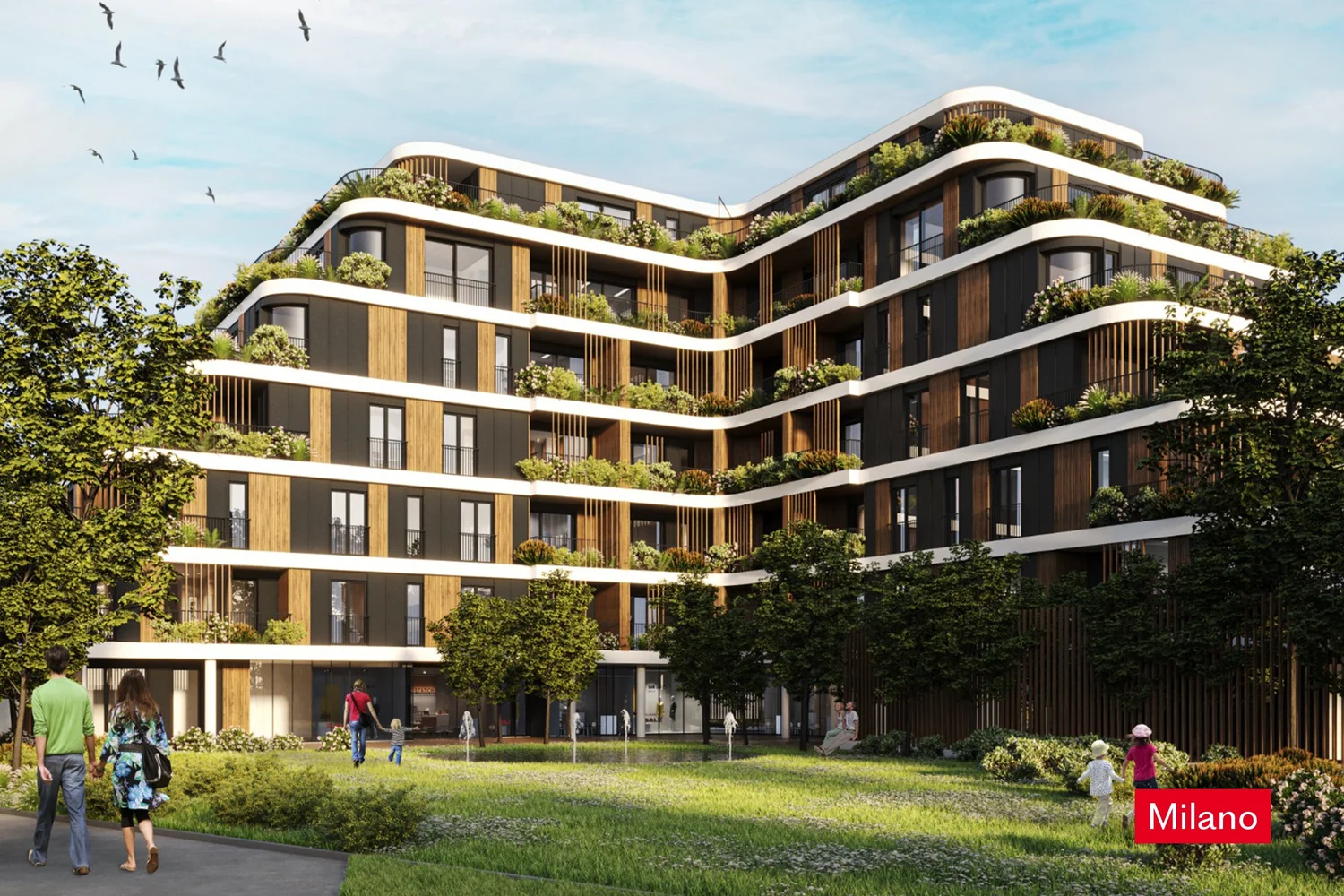
Milan is Italy’s primary business-property market, with city asking prices averaging €5,653/m² and prime centro at €4,500-7,500/m². Direct El Al and ITA Airways routes from Tel Aviv to Malpensa support inspection trips without multi-leg connections. Israeli tech and finance professionals increasingly target Navigli, Isola, and Porta Nuova for long-term furnished leases to corporate expats.
Long-term gross yields run 3-5% depending on district. Foreign buyers represent roughly 22% of central Milan transactions. Israeli buyers here prioritize liquidity, euro diversification, and tenant depth over maximum yield. Full analysis: Milan property investment guide.
Rome: Jubilee tourism and heritage stock
Rome attracts Israeli buyers who want urban cultural access, Jewish heritage tourism in the Ghetto and Trastevere corridor, and Jubilee 2026 pilgrimage spillover. Prime districts including Trastevere and Prati trade €3,500-6,500/m² with gross yields of 2.5-5% depending on STR compliance.
Centro storico heritage restrictions add renovation cost and licensing friction. Israeli buyers comparing Rome headline yields with Milan corporate rentals should model SUAR registration and condominium STR permissions carefully. Deep dive: Rome property investment guide.
Tuscany: wine country and generational holds
Tuscany captures lifestyle buyers who want cypress-lined views, Chianti proximity, and Florence cultural access. Israeli families often purchase semi-restored farmhouses in Chianti, Val d’Orcia, and Maremma at €1,500-3,500/m², investing €80,000-€180,000 in renovation to meet modern energy standards.
Florence asking prices reached €4,737/m² in April 2026 (Immobiliare.it), compressing yields to 3-4.5% gross on city apartments. Israeli buyers here prioritise heritage, kosher tourism adjacency in Florence, and resale liquidity to US and European families at exit. See Tuscany property investment guide.
Regional comparison for Israeli buyers
| Region | Price/m² (indicative) | Gross yield | Israeli buyer strength | Flight from Tel Aviv | Best use case |
|---|---|---|---|---|---|
| Milan (Navigli / Isola) | €4,500-6,500 | 3-5% | High (corporate rental) | 3h 30m direct | Long-term lease, capital preservation |
| Rome (Trastevere / Prati) | €3,500-6,500 | 2.5-5% | High (heritage, tourism) | 3h 15m direct | STR, Jubilee-linked demand |
| Tuscany (Chianti / Maremma) | €1,500-3,500 | 4-6% | High (lifestyle, resale) | Via Rome or Florence | Renovation, generational hold |
| Lake Como (comparison) | €4,000-25,000 | 2-3% | Medium (trophy buyers) | Via Milan | Lakefront prestige |
| Puglia (comparison) | €1,200-2,800 | 5-8% | Growing (yield focus) | Via Rome + connection | STR income, value entry |
What Italian-Israeli buyer patterns should you know before offer?
Italian-Israeli buyer patterns typically include cash-heavy closes at 55 percent plus of desk files, dual-passport routing on EU documents, multi-generational Tuscan use cases, and 3 to 4 week apostilled POA paths on 2026 tickets above 400,000 euros with MORE Group underwriting on identical behavioural checklists before offer.
- MORE Group insider tip: Model 10 to 15 percent closing and 21 to 26 percent rental tax before comparing regional headline yields.
| Check | 2026 default |
|---|---|
| Closing stack | 10 to 15% |
| Registration tax | 9% second home |
Cash-heavy closes: Israeli buyers complete cash purchases at higher rates than EU average, often deploying business exit proceeds or portfolio rebalancing without Italian mortgage dependency. Cash status strengthens compromesso negotiation but increases source-of-funds scrutiny on large SWIFT transfers.
Dual-passport routing: Dual Israeli-EU citizens sometimes purchase through EU passports to simplify Schengen stays and bank documentation. The notaio records the passport used at rogito. Consistency matters: do not switch passport nationality between compromesso and rogito without legal review.
Family multi-generational use: Israeli families often buy larger Tuscan or Roman stock for multi-generational holiday use rather than pure investment, accepting lower yields for space and privacy. Condominium rules on guest volume and pool use matter more than yield spreadsheets in these cases.
Remote purchase with POA: Tel Aviv to Milan flight time supports long-weekend inspections, but many Israeli buyers grant apostilled power of attorney to Italian avvocato for rogito when business schedules conflict. Budget 3-4 weeks for POA preparation and Hague apostille in Israel.
Schengen 90/180 planning: Israeli passport holders face the standard 90 days in any 180-day Schengen window without a visa. Property ownership does not extend stay rights. Plan anagrafe registration or visa pathways separately if you intend longer residence. See Italy elective residence visa property.
What is the step-by-step purchase process for Israeli buyers?
Israeli buyers follow the same notarial process as other non-EU reciprocity nationals: property identification, written offer, compromesso with deposit, due diligence window, mortgage approval if applicable, and rogito before the notaio. Total timeline from accepted offer to keys typically runs 90 to 120 days, or 120 to 150 days with Italian bank financing.
- MORE Group insider tip: Model 10 to 15 percent closing and 21 to 26 percent rental tax before comparing regional headline yields.
| Check | 2026 default |
|---|---|
| Closing stack | 10 to 15% |
| Registration tax | 9% second home |
Phase 1, Pre-offer preparation: Secure codice fiscale, engage independent Italian avvocato, define budget in euros with 10-15% closing buffer, and prepare source-of-funds documentation for Israeli bank outbound compliance.
Phase 2, Compromesso: Sign preliminary contract with 10-20% deposit to notaio escrow. Insert suspensive conditions for mortgage approval, satisfactory due diligence, and clear title. Our compromesso guide explains deposit forfeiture rules.
Phase 3, Due diligence: Geometra survey, visura catastale, conformità edilizia, condominium clearance, IMU arrears check, and CIN verification if STR planned. Allow 30-45 days.
Phase 4, Financing or wire preparation: If mortgaged, submit Israeli tax documentation to Italian bank. If cash, initiate SWIFT with bank compliance pre-clearance.
Phase 5, Rogito: Notaio executes final deed, collects registration tax, registers ownership at Conservatoria. Keys and utilities transfer follow.
| Purchase stage | Typical Israeli buyer timeline | Cash required | Key document |
|---|---|---|---|
| Codice fiscale | 1-3 weeks pre-offer | None | AA4/8 Tel Aviv embassy |
| Compromesso | Day 0 of transaction | 10-20% deposit | Preliminary contract |
| Due diligence | 30-45 days | Lawyer plus geometra fees | Survey and title report |
| Mortgage approval | 8-12 weeks if financed | Bank fees 1-2% | Israeli tax docs, bank statements |
| Rogito | 90-150 days from offer | Balance plus closing costs | Final notarial deed |
Step-by-step national guide: how to buy Italy property step by step.
What tax overlays should Israeli buyers model before purchase?
Israeli-Italy tax overlays typically start with 9 percent registration tax, 26 percent cedolare on STR income, Israeli worldwide income reporting, and treaty credits on the same rental receipts with 183-day Italian residency traps above 180 days annually on 2026 files with MORE Group underwriting on identical dual-jurisdiction models.
- MORE Group insider tip: Model 10 to 15 percent closing and 21 to 26 percent rental tax before comparing regional headline yields.
| Check | 2026 default |
|---|---|
| Closing stack | 10 to 15% |
| Registration tax | 9% second home |
Italian purchase and holding taxes
Second-home Israeli buyers typically pay 9% registration tax on cadastral value at rogito, annual IMU at 0.4-0.76% of cadastral value, and 26% cedolare secca on non-resident short-term rental income. Long-term leases may qualify for 21% cedolare where permitted.
Israeli worldwide income reporting
Israeli tax residents declare foreign rental income on annual tax returns. The Israel-Italy double taxation convention generally allows credit for Italian tax paid on Italian-source rental income. Capital gains on Israeli-side disposal of foreign property interests may trigger Israeli tax depending on holding structure and timing.
Israeli buyers should not assume Italian cedolare secca eliminates Israeli reporting obligations. Both layers apply in parallel for most tax residents.
183-day Italian tax residency trap
Spending more than 183 days per calendar year in Italy, or maintaining centre of vital interests here, can trigger Italian tax residency and worldwide income reporting in Italy. Most Israeli second-home owners stay under this threshold deliberately.
| Tax item | Italy (second home, non-resident) | Israel (tax resident, typical) | Treaty note |
|---|---|---|---|
| Purchase registration tax | 9% on cadastral value | Not applicable | N/A |
| Annual IMU | 0.4-0.76% cadastral value | Not directly taxed | N/A |
| Short-term rental income | 26% cedolare secca | Worldwide income reporting | Foreign tax credit typical |
| Long-term rental income | 21-26% cedolare/IRPEF | Worldwide income reporting | Foreign tax credit typical |
| Capital gains on sale (under 5-year hold) | 26% IRPEF on gain | Israeli capital gains rules | Credit mechanism applies |
| Wealth tax | N/A | No direct wealth tax on property | IMU is Italian-only |
Closing cost line items are modelled in cost of buying property in Italy.
Can Israeli buyers obtain mortgage financing for Italian property?
Israeli mutuo access in Italy typically means 50 to 55 percent LTV, three to four month rogito timelines, Intesa Sanpaolo or UniCredit international desks, and sworn translations of two to three years Israeli tax assessments on 2026 tickets above 350,000 euros with MORE Group underwriting on identical LTV bands.
- MORE Group insider tip: Model 10 to 15 percent closing and 21 to 26 percent rental tax before comparing regional headline yields.
| Check | 2026 default |
|---|---|
| Closing stack | 10 to 15% |
| Registration tax | 9% second home |
Active lenders for Israeli buyers:
- Intesa Sanpaolo and UniCredit: International buyer desks familiar with Middle East income documentation.
- BNL (BNP Paribas): Competitive for Lombardy and Lazio urban stock.
- Israeli banks: Generally do not lend against Italian collateral for retail clients; most Israeli buyers use Italian mutuo or cash.
Required documents: two to three years Israeli tax assessments, six to twelve months bank statements, employment contract or company registration for self-employed buyers, sworn Italian translations, codice fiscale, and bank-ordered perizia valuation. Full mechanics in non-resident mortgage Italy.
Which Buyer Scenarios Fit Israeli Budgets in Italy?
Israeli buyer scenarios typically map 620,000 euro Milan executives to 4.1 percent gross corporate leases, 480,000 euro Herzliya families to Maremma lifestyle holds, and 390,000 euro Ramat Gan STR tickets to 3.8 percent net after 26 percent cedolare in 2026 with MORE Group underwriting on identical buyer scenario checklists per profile.
- MORE Group insider tip: Match region to hold period: Milan liquidity for 8-year corporate rentals, Tuscany for 15-year lifestyle holds.
| Scenario band | Budget | Target gross |
|---|---|---|
| Milan corporate | €620,000 | 3.5-4.5% |
| Tuscany lifestyle | €480,000 | IMU-only hold |
| Rome STR | €390,000 | 3.8% net |
Scenario 1: Tel Aviv tech executive (€620,000, 8-12 year hold)
Profile: Single professional, Milan corporate rental priority, accepts 3-4% gross yield, flies Tel Aviv-Milan monthly.
Optimal strategy: Purchase two-bedroom in Isola at €5,800/m². Budget €580,000 plus €62,000 closing. Long-term furnished lease at €2,200 monthly yields €26,400 gross, roughly 4.1% before IMU and 21% cedolare. Target corporate tenant via relocation agent.
Decision rule: Prioritise Class B APE and metro access. Avoid new-build without verified condominium STR rules if you may switch to affitti brevi later.
Scenario 2: Herzliya family (€480,000, 15+ year hold)
Profile: Dual-income couple, Tuscany lifestyle priority, six weeks annual use, minimal STR appetite.
Optimal strategy: Buy semi-restored casale in Maremma at €2,100/m² on 200m² footprint. Total deploy €480,000 including €90,000 renovation reserve. Personal use only, IMU and Israeli reporting only. Target capital preservation and US/EU buyer pool at exit.
Decision rule: Only proceed with clear geometra report on roof, septic, and Soprintendenza constraints.
Scenario 3: Ramat Gan investor (€390,000, 5-8 year hold)
Profile: Yield-focused, Rome STR strategy, comfortable with heritage compliance admin.
Optimal strategy: Acquire renovated two-bedroom in Ostiense at €4,800/m². All-in €390,000 plus €43,000 costs. Model STR at 52% occupancy, €140 nightly, gross €26,800 before 26% cedolare. Net near 3.8% after costs before Israeli income tax overlay.
Decision rule: Never buy centro stock without written condominium STR permission and CIN transfer plan.
Scenario 4: Jerusalem dual EU-Israeli citizen (€720,000, 10+ year hold)
Profile: Uses Italian EU passport for purchase, Milan-Brera prestige, long-term hold.
Optimal strategy: Purchase Brera fringe apartment at €7,200/m². Budget €720,000 plus €79,000 closing. Long-term lease to finance-sector expat at €3,100 monthly. Gross near 3.8%. EU passport simplifies bank file and Schengen stays for property management.
Decision rule: Document single passport through entire transaction chain. Mixed passport use triggers unnecessary reciprocity and tax confusion.
Decision matrix
| Priority | Best region for Israeli buyers | Avoid |
|---|---|---|
| Corporate rental liquidity | Milan Navigli / Isola | Rural interior without tenant pool |
| Heritage and tourism STR | Rome Ostiense / Trastevere fringe | Rome centro vincolati without budget |
| Lifestyle generational hold | Tuscany Maremma | Florence UNESCO STR-blocked centro |
| Maximum gross yield | Puglia (not Israeli core, growing) | Milan Brera at 2.5% gross |
| Secure title with clean cadastre | Any region with independent avvocato | Skipping conformità to save fees |
What Due Diligence Should Israeli Buyers Complete Before Compromesso?
Israeli due diligence before compromesso typically requires visura catastale review, APE targets at Class D or better, CIN verification, and avvocato fees of 3,000 to 8,000 euros on 2026 tickets above 350,000 euros with MORE Group underwriting on identical 30 to 45 day diligence windows on tracked 2026 buyer files.
- MORE Group insider tip: Pre-clear Israeli bank outbound SWIFT compliance before compromesso deposit deadlines.
| Check | Cost hint | Timeline |
|---|---|---|
| Visura catastale | €200 to €400 | 3 to 7 days |
| Geometra survey | €800 to €2,500 | 2 weeks |
Non-negotiable checks:
- Visura catastale: room count matches physical layout; planimetria conformità or estimate cost to rectify.
- Visura ipotecaria: no hidden mortgages or foreclosures.
- APE energy certificate: Class G properties face renovation mandates.
- Condominium clearance: no outstanding spese, STR permitted if planned.
- IMU and TARI arrears: attach to property, not seller personally.
- Geometra report: essential in Rome centro and Tuscan ruin projects.
- CIN and SCIA status: for any STR-intended purchase.
- Source-of-funds pre-clearance: with Israeli bank before compromesso deposit deadline.
Engage a bilingual lawyer independent of the selling agent.
MORE Group underwriting snapshot
MORE Group Israeli buyer screening (Q2 2026): Israeli enquiries concentrate 36% Milan/Lombardy, 28% Rome/Lazio, 26% Tuscany, 10% other regions on italian-estate.com desk data. Average Israeli ticket €485,000 versus €632,000 national foreign average. Milan city average ~€5,653/m² with 3-5% gross on corporate leases; Rome prime €3,500-6,500/m² with Jubilee-linked STR upside; Tuscany Chianti €1,500-3,500/m² with 4-6% gross on managed lets. Cash-close rate higher than EU average. SWIFT settlement adds 2-5 business days to rogito prep versus SEPA EU buyers. Typical non-resident closing stack 10-12% on second homes. Reciprocity confirmed on 100% of Israeli files in MAECI pre-checks.
Insider tip: Israeli buyers wiring from Tel Aviv should pre-clear outbound transfers with their bank before compromesso signing. Compliance holds on six-figure SWIFT transfers have delayed rogito dates on otherwise clean files.
How Does This Guide Connect to Regional Research for Israeli Buyers?
Israeli buyer hub navigation typically links Milan corporate yields at 3 to 5 percent gross on 5,653 euros per square metre tickets, Rome Jubilee STR rules, Tuscany resale liquidity, and MAECI reciprocity briefs before shortlist requests on 2026 files above 350,000 euros with MORE Group underwriting on identical eight-link hub sequences for Tel Aviv sourced buyers.
- MORE Group insider tip: Open the reciprocity guide before your first written offer if using dual passports.
| Next read | Why Israelis open it |
|---|---|
| Milan guide | Corporate lease yields |
| Rome guide | Jubilee STR compliance |
| Reciprocity guide | MAECI pre-check |
MORE Group desk routing sends 36 percent of Israeli enquiries to Lombardy files above 400,000 euros, 28 percent to Lazio tickets with 10 to 15 percent closing stacks, and 26 percent to Tuscany holds targeting 4 to 6 percent gross yields on 2026 calendars.
- Italy property by nationality guide, hub for EU, UK, US, Israeli, and other buyer pathways
- Italy reciprocity rule for foreign buyers, MAECI verification mechanics
- Buy property in Italy as a foreigner, non-EU legal framework
- Milan property investment guide, Navigli, Isola, Porta Nuova yields
- Rome property investment guide, Jubilee demand and centro compliance
- Tuscany property investment guide, Chianti, Florence, Maremma pricing
- Codice fiscale for Italy property, Tel Aviv embassy application steps
- Non-resident mortgage Italy, LTV, rates, and document lists
Ready to compare Milan, Rome, and Tuscany with numbers pre-modeled to your Israeli income and wire timeline? Get a curated shortlist of Italian investment properties matched to your budget, financing profile, and STR or personal-use plan, with due diligence flags on title chain, conformità edilizia, CIN status, and condominium restrictions before you commit deposit.
Frequently Asked Questions
Yes. Israel maintains full reciprocity with Italy under MAECI tables, so Israeli citizens can purchase freehold residential property on the same terms as Italian nationals. The notaio confirms reciprocity before the rogito using your Israeli passport. No minimum investment threshold or regional quota applies.
No. Israeli citizens can buy Italian property as non-residents. Residency becomes relevant only if you plan to claim prima casa tax benefits, spend more than 183 days per year in Italy for tax purposes, or obtain an elective residence visa. Property ownership alone does not grant Schengen stay rights beyond the standard 90/180-day visa-free window.
Apply at the Italian embassy in Tel Aviv or consulates using form AA4/8 with passport copy and proof of Israeli address, or in person at Agenzia delle Entrate if already in Italy. Processing typically takes one to three weeks. The codice fiscale is free and mandatory before compromesso or rogito.
Transfer purchase funds via SWIFT to the notaio segregated escrow account or your Italian bank account using documented source-of-funds trails. Israeli banks require purpose codes and may ask for compromesso copies. Budget 2-5 business days for international wires plus correspondent bank fees. Never send deposits to agent personal accounts.
Yes when you follow the notarial system. The notaio verifies title chain, mortgages, liens, and cadastral records before rogito. Ownership registers at the Conservatoria dei Registri Immobiliari, creating public record. Independent avvocato and geometra review before compromesso adds protection against off-registry risks and unauthorized building works.
Milan leads urban investment with corporate rental demand and direct Tel Aviv flights. Rome captures heritage and Jubilee 2026 tourism upside. Tuscany delivers Chianti and Florence lifestyle stock with strong international resale liquidity. Israeli buyer enquiries also cluster in Lake Como and Puglia for second-home and yield strategies.
Yes. Italian banks typically lend Israeli buyers 50-55% loan-to-value against the property, using the lower of purchase price or bank appraisal. You need a codice fiscale, two to three years of Israeli tax documentation, and six to twelve months of bank statements. Budget three to four months from application to rogito.
Italy charges registration tax on purchase, annual IMU on second homes, and cedolare secca or IRPEF on rental income. Israeli tax residents declare worldwide income and may owe Israeli tax on foreign rental receipts and eventual capital gains, with relief for Italian tax paid under the Israel-Italy double taxation treaty. Always confirm with a cross-border tax adviser.
All short-term rentals require a national CIN (Codice Identificativo Nazionale). Municipal SCIA rules vary by comune. Non-resident STR income is taxed at 26% via cedolare secca in Italy. Condominium regolamento may ban tourist use. Verify CIN transferability and local caps before buying for Airbnb-style income.
Last Updated: 26 June 2026 | Data sources: Scenari/Nomisma Italian Property Report 2025, Immobiliare.it regional indices (June 2026), MAECI reciprocity tables, Agenzia delle Entrate cedolare secca rates, Israel-Italy double taxation treaty, Italian Estate Israeli buyer transaction research
Get an Italy property shortlist
Tell us your budget and region (Tuscany, Lake Como, Puglia, Milan, Sardinia). We reply within one business day with options matched to your goals.