
Italy Property for Scandinavian Buyers: 2026 Guide
Nordic buyer guide to Italy: EU/EEA rights, 183-day tax residency, Alps, Lake Como, Costa Smeralda, Puglia pricing, Swedish wealth tax overlays, 55-60% LTV.
By Italian Estate Editorial · Updated June 26, 2026 · 14 min read
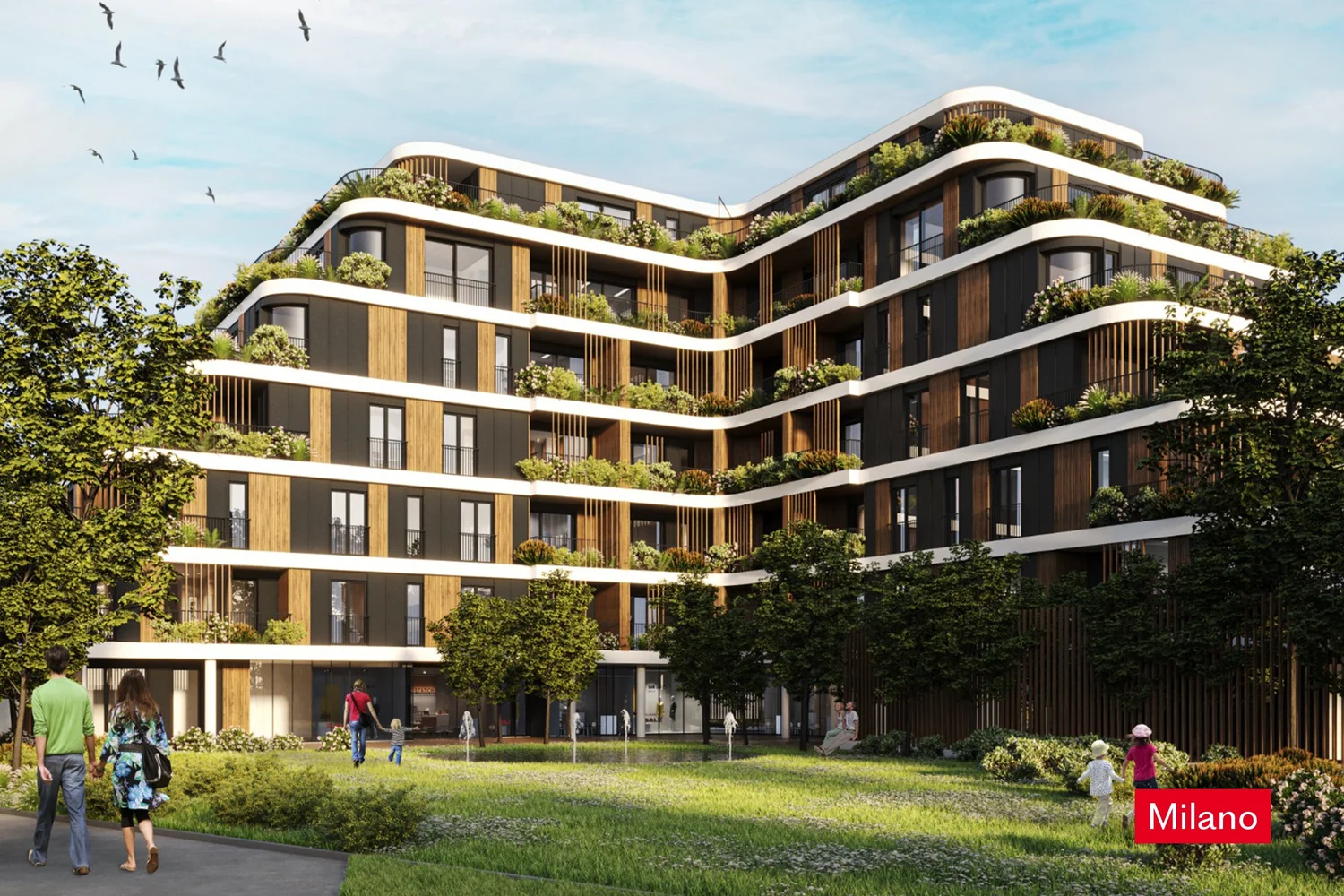
Quick answer: Scandinavian EU and EEA citizens buy Italian property without reciprocity checks or ownership restrictions. Demand concentrates in the Alps, Lake Como, Costa Smeralda, and Puglia, where Nordic flight links, Alpine familiarity, and contrasting yield profiles support resale liquidity. Budget 10-15% closing costs on second homes, model Nordic wealth tax alongside Italian IMU and cedolare secca, track the 183-day tax residency threshold if you plan extended stays, expect 55-60% LTV if financing through Italian banks, and obtain codice fiscale at your local consulate before compromesso.
For the nationality hub see Italy property by nationality guide. For the full legal roadmap see buy property in Italy as a foreigner. Regional depth sits in our Lake Como, Sardinia, and Puglia investment guides.
Scandinavian EU and EEA buyers purchasing Italian second homes in 2026 typically stack 10 to 15 percent closing costs above euro price, access 55 to 60 percent LTV mutuo products from Intesa Sanpaolo or UniCredit, and stay under the 183-day Italian tax residency threshold while paying IMU at 0.4 to 0.76 percent annually. MORE Group Nordic buyer files in Q2 2026 show average tickets near 420,000 euros with enquiry concentrating 28 percent on South Tyrol, 24 percent on Lake Como, 18 percent on Costa Smeralda, and 26 percent on Puglia per desk tracking. Bolzano trades 3,800 to 5,500 euros per square metre, Lake Como lakefront reaches 8,000 to 25,000 euros per square metre, and Puglia regional averages near 1,422 euros per square metre with 5 to 8 percent gross on managed short-term rentals. Stockholm and Copenhagen consulates issue codice fiscale in 1 to 2 weeks while EU-path cash deals close in 60 to 90 days.
Italian property for Scandinavians means equal EU or EEA purchase rights without MAECI reciprocity tables, codice fiscale obtained in one consulate visit, and compromesso-to-rogito timelines of 60 to 120 days when mortgage suspensive clauses protect 10 to 20 percent deposits on tickets between 250,000 and 890,000 euros. MORE Group underwriting on Nordic clients tracks preventable losses when buyers cross 183 days accidentally, skip formueskatt or Swedish wealth reporting on foreign value, or model Como STR without Milan commuter fallback in winter shoulder months. Registration tax on second homes runs 9 percent on cadastral value, Nordic wealth charges apply in parallel with IMU, and non-resident short-term rental income faces 26 percent cedolare secca in Italy. Model both Nordic home-country and Italian layers before setting maximum purchase price on any 2026 file above 300,000 euros.
Why do Scandinavian buyers have a legal advantage when purchasing Italy property?
Scandinavian EU and EEA nationals purchasing Italy property typically skip MAECI reciprocity review because EU citizenship allows rogito on identical terms as Italian residents, with 60 to 120 day closes and 10 to 15 percent closing stacks on 2026 tickets averaging 420,000 euros in MORE Group Nordic files on tracked 2026 buyer files.
- MORE Group insider tip: Model 10 to 15 percent closing and 21 to 26 percent rental tax before comparing regional headline yields.
| Check | 2026 default |
|---|---|
| Closing stack | 10 to 15% |
| Registration tax | 9% second home |
That procedural simplicity matters in practice. Nordic transactions close faster because document stacks are shorter: valid passport, codice fiscale, proof of funds or mortgage approval, and standard due diligence. No residence permit translation chain. No embassy reciprocity letters. No corporate wrapper to bypass ownership limits.
Schengen membership adds operational freedom. A Stockholm buyer can inspect properties in Bolzano on Thursday, sign compromesso on Lake Como the following week, and return to Oslo without visa planning. For second-home owners who split time between Scandinavia and Italy, EU and EEA free movement removes the administrative overhead that UK, US, or Israeli buyers manage under reciprocity verification and stricter Schengen caps.
Scandinavian buyers represent meaningful volume in Italy’s northern European enquiry stream. Gate-away and Italian Estate tracking place Swedish, Norwegian, and Danish families among the top EU nationalities searching Italian listings, with strongest concentration in South Tyrol, Lake Como, Costa Smeralda, and Puglia. Average Nordic ticket size sits near €420,000 according to market research, below US luxury averages but aligned with yield-aware Mediterranean second-home buyers who prioritize euro-denominated real assets and design-led coastal stock.
The typical Scandinavian buyer profile on italian-estate.com enquiries: employed professional or business owner aged 44-64, household income above SEK 1.2 million or NOK/DKK equivalent, seeking a second home with four to ten weeks annual personal use and optional short-term rental during peak season. Alpine skiing access, lakefront prestige, and Puglia yield potential rank alongside energy efficiency (APE rating Class B or better) and transparent title documentation.
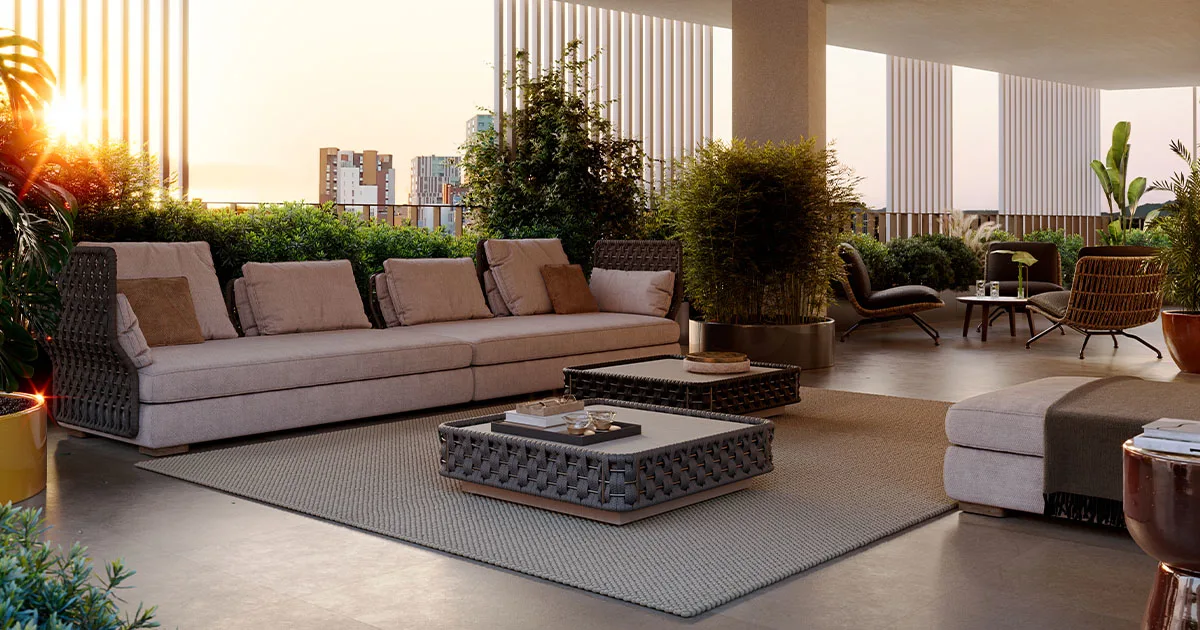
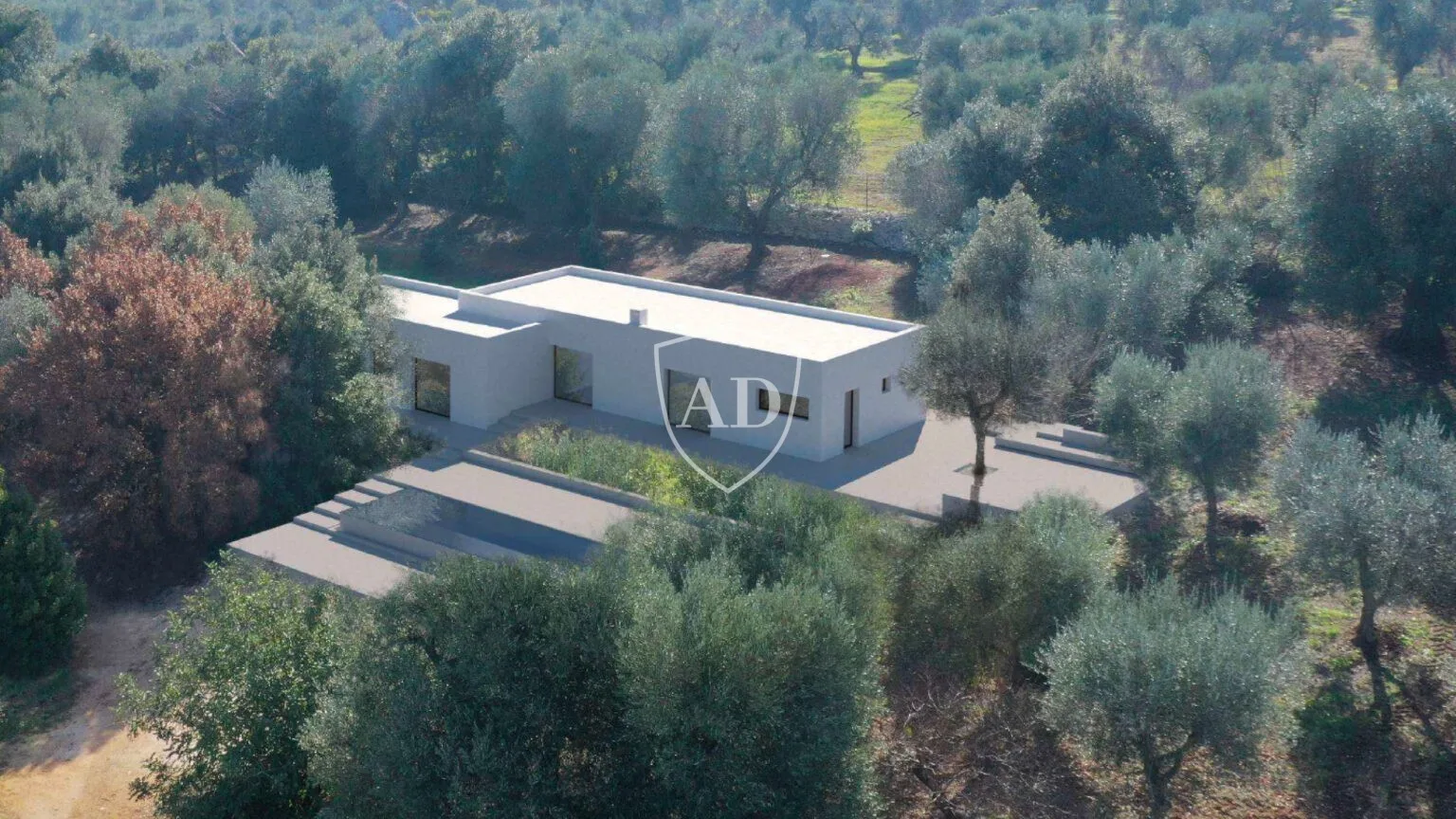
Which Italian regions do Scandinavian buyers target most?
Scandinavian regional demand typically concentrates 28 percent on South Tyrol at 3,800 to 5,500 euros per square metre, 24 percent on Lake Como lakefront bands, 18 percent on Costa Smeralda, and 26 percent on Puglia near 1,422 euros per square metre with 5 to 8 percent gross yields in 2026 MORE Group desk data.
- MORE Group insider tip: Model 10 to 15 percent closing and 21 to 26 percent rental tax before comparing regional headline yields.
| Check | 2026 default |
|---|---|
| Closing stack | 10 to 15% |
| Registration tax | 9% second home |
Italian Alps and South Tyrol: the Nordic Alpine gateway
South Tyrol (Alto Adige) is Italy’s only province where German is an official language alongside Italian. For Scandinavian buyers accustomed to Alpine tourism in Norway, Sweden, and the Dolomite spillover, Bolzano and Val Gardena offer bilingual agents, mountain infrastructure, and winter-summer dual-season rental demand without reciprocity friction.
Bolzano city apartments trade roughly €3,800-5,500/m² for quality stock with mountain views. Premium ski-resort communes push higher on chalet inventory. Gross long-term yields run 3-4% in city centres; short-term ski-season lets can lift gross returns toward 4.5-5.5% where CIN and condominium rules permit.
Direct seasonal routes from Stockholm and Copenhagen to Innsbruck, Munich, and Verona support long-weekend inspection trips. Resale liquidity to German, Austrian, Dutch, and Nordic speakers is the region’s hidden advantage at exit.
Lake Como: lakefront prestige and Milan access
Lake Como captures Scandinavian buyers who want Belle Époque villa culture, Milan commuter access, and trophy resale depth to Swiss and German HNW families. Lakefront properties trade €8,000-25,000/m² with gross rental yields of 2-3%. This is a capital-preservation market, not a yield maximization play.
Como city and hillside lake-view stock at €4,000-8,000/m² offers a lower entry than Bellagio or Cernobbio frontage while retaining train links to Milan Centrale in 40-50 minutes. Nordic buyers often compare Como against Norwegian fjord property: higher absolute prices in Italy but deeper international buyer pool at resale.
Full regional analysis: Lake Como property investment guide.
Costa Smeralda: Sardinian summer culture
Costa Smeralda on Sardinia’s northeast coast has attracted northern European holiday-home buyers since the 1960s Aga Khan development era. Scandinavian buyers seeking yacht-marina lifestyle, granite coastline, and July-August social season cluster in Porto Cervo, Porto Rotondo, and Arzachena hinterland at €5,000-15,000/m² on prime stock.
Gross yields run 3-4.5% on well-managed short-term rentals, compressed by high entry tickets and seasonal void November through March. Resale liquidity to German, Swiss, and Nordic families remains strong on mid-tier villas with verified boat mooring and pool compliance.
Deep regional context: Sardinia property investment guide.
Puglia: value entry and yield focus
Puglia recorded 2,300 foreign purchases out of 8,600 total regional transactions in recent FIAIP data. Regional average pricing sits near €1,422/m² with gross yields of 5-8% on well-managed short-term rentals. Scandinavian yield-focused buyers increasingly target Valle d’Itria and Salento when income matters more than Alpine skiing or lakefront trophy status.
Seasonal routes from Copenhagen and Stockholm to Bari and Brindisi support inspection trips. Risks include abusivismo on rural conversions, olive-tree protection rules, and renovation cost overruns. Deep regional analysis: Puglia property investment guide.
Regional comparison for Scandinavian buyers
| Region | Price/m² (indicative) | Gross yield | Nordic buyer strength | Typical flight hub | Best use case |
|---|---|---|---|---|---|
| South Tyrol / Dolomites | €3,800-5,500 | 3-5% | High (Alpine familiarity) | Verona / Innsbruck | Ski second home, dual-season STR |
| Lake Como | €4,000-25,000 | 2-3% | High (prestige, Milan access) | Milan Malpensa | Trophy lakefront, capital preservation |
| Costa Smeralda | €5,000-15,000 | 3-4.5% | Medium-High (summer yacht culture) | Olbia | Marina lifestyle, peak-season STR |
| Puglia (Valle d’Itria) | €1,200-2,800 | 5-8% | Growing rapidly | Bari / Brindisi | Yield-focused STR, value entry |
| Milan (comparison) | €5,653 city avg | 3-5% | Medium | Malpensa / Linate | Corporate rental, business travel |
How does Italy’s 183-day tax residency rule affect Scandinavian owners?
Italy’s 183-day rule for Scandinavians typically triggers tax residency after 183 calendar days or when centre of vital interests sits in Italy, meaning 26 percent cedolare on STR income, 9 percent second-home registration tax, and worldwide income reporting if residency applies on 2026 calendars with MORE Group Nordic file tracking.
- MORE Group insider tip: Model 10 to 15 percent closing and 21 to 26 percent rental tax before comparing regional headline yields.
| Check | 2026 default |
|---|---|
| Closing stack | 10 to 15% |
| Registration tax | 9% second home |
Most Scandinavian second-home owners deliberately stay under the 183-day threshold to preserve non-resident status for Italian IRPEF purposes. That means 26% cedolare secca on short-term rental income rather than progressive IRPEF bands, and no worldwide income declaration in Italy. It also means you typically pay 9% registration tax as seconda casa rather than 2% prima casa.
Crossing 183 days triggers broader obligations: worldwide income reporting in Italy, potential loss of Nordic tax treaty benefits depending on dual-residency tie-breaker rules, and scrutiny on whether you claimed prima casa inappropriately. The Agenzia delle Entrate uses utility bills, anagrafe registration, vehicle registration, and flight records in audit cases.
| Stay pattern | Italian tax residency (typical) | Registration tax on purchase | Rental income tax (STR) |
|---|---|---|---|
| Under 183 days, no anagrafe | Non-resident | 9% second home | 26% cedolare secca |
| Over 183 days or centre of interests | Resident | 2% prima casa if eligible | 21% cedolare on first property STR |
| Registered anagrafe, under 183 days | Case-by-case | Depends on declared use | Adviser review required |
| Elective residence visa holder | Resident expected | 2% if prima casa conditions met | 21% or IRPEF per election |
Scandinavian buyers planning retirement relocation should model the shift before purchase. Swedish and Norwegian advisers often recommend completing the Italian property acquisition as a non-resident, then structuring the residency move in a separate tax year with documented departure from Nordic tax home. Never assume 182 days is safe without counting partial arrival and departure days.
For visa pathways tied to residency, see Italy elective residence visa property.
How does the Italian purchase process work for Scandinavian EU and EEA citizens?
The Italian purchase process for Scandinavian EU buyers typically runs five steps from codice fiscale through rogito in 60 to 120 days, requires 10 to 20 percent compromesso deposits, and mirrors domestic buyer law without reciprocity filings on 2026 residential tickets with MORE Group underwriting on identical EU-path timelines.
- MORE Group insider tip: Model 10 to 15 percent closing and 21 to 26 percent rental tax before comparing regional headline yields.
| Check | 2026 default |
|---|---|
| Closing stack | 10 to 15% |
| Registration tax | 9% second home |
Step 1, Codice fiscale: Obtain your Italian tax identification number before any offer or mortgage application. Apply at the Italian consulate in Stockholm, Oslo, Copenhagen, Helsinki, or Reykjavik, or in person at Agenzia delle Entrate if already in Italy. Processing is usually same-day to two weeks. Full detail in our codice fiscale guide.
Step 2, Offer and compromesso: Submit a written proposta d’acquisto, then sign the preliminary contract (compromesso) with a 10-20% deposit. Insert suspensive conditions for mortgage approval and satisfactory due diligence. Our compromesso guide explains deposit forfeiture rules and transcription options.
Step 3, Due diligence: Engage a geometra for cadastral compliance, an independent lawyer (not the seller’s agent), and verify IMU, condominium debts, and building permits. Scandinavian buyers should not skip structural surveys on pre-1980 Alpine chalets or Puglia trulli conversions. Follow the checklist in due diligence for Italian property.
Step 4, Rogito: The notaio executes the final deed, collects registration tax, registers ownership, and records any mortgage ipoteca. Timeline from compromesso to rogito typically runs 60-90 days for cash buyers, 90-120 days with financing.
Step 5, Post-closing compliance: Register utilities, pay IMU annually on second homes, obtain CIN before listing for short-term rental, and appoint a commercialista for Italian tax filings on rental income.
Nordic buyers often grant a notarized power of attorney (procura speciale) to a trusted representative in Italy to sign documents when they cannot attend rogito in person. The POA must be notarized in Scandinavia and apostilled under Hague Convention rules.
| Purchase stage | Typical Nordic buyer timeline | Cash required | Key document |
|---|---|---|---|
| Codice fiscale | Same day to 2 weeks pre-offer | None | AA4/8 consulate form |
| Compromesso | Day 0 of transaction | 10-20% deposit | Preliminary contract |
| Due diligence | 30-45 days | Lawyer plus geometra fees | Survey and title report |
| Mortgage approval | 6-10 weeks if financed | Bank fees 1-2% | Nordic tax returns, bank statements |
| Rogito | 60-120 days from offer | Balance plus closing costs | Final notarial deed |
What tax rules should Scandinavian buyers understand before purchasing?
Scandinavian-Italy tax planning typically starts with 9 percent registration tax on second-home cadastral values, IMU near 0.4 to 0.76 percent annually, Nordic wealth reporting in parallel, and 26 percent cedolare on non-resident STR income with 183-day residency traps on 2026 calendars with MORE Group underwriting on identical dual-layer models.
- MORE Group insider tip: Model 10 to 15 percent closing and 21 to 26 percent rental tax before comparing regional headline yields.
| Check | 2026 default |
|---|---|
| Closing stack | 10 to 15% |
| Registration tax | 9% second home |
Purchase taxes: second home default for most Nordic buyers
Most Scandinavian buyers acquire second homes (seconda casa) because they do not register Italian tax residency within 18 months. That triggers 9% registration tax on cadastral value for private-seller purchases, plus notary and agency costs. Prima casa at 2% registration tax requires anagrafe residency and is rarely compatible with keeping tax residence in Scandinavia.
Compare regimes in our Italy prima casa vs second home tax guide.
Nordic wealth and income tax overlays
Swedish tax residents report foreign property in the capital income framework with deemed return calculations on net wealth components. Norwegian tax residents pay formueskatt on worldwide net wealth above NOK thresholds, with foreign real estate valued at market or documented purchase cost. Danish and Finnish rules treat foreign rental income and property value through respective capital and income schedules.
This dual layer surprises first-time Nordic Italy buyers. A €380,000 Puglia villa may generate €24,000 gross STR income taxed at 26% cedolare in Italy while simultaneously attracting Nordic wealth or income tax charges on the property’s value. Model both layers before setting your maximum purchase price.
Rental income taxation in Italy
Long-term residential leases: cedolare secca flat tax at 21% for residents, with non-resident landlords often at 26% via IRPEF unless electing cedolare where permitted. Short-term rentals: 26% cedolare secca for non-residents on affitti brevi income. Full STR compliance in short-term rental rules Italy.
Double taxation treaties
Sweden, Norway, Denmark, and Finland each maintain double taxation agreements with Italy covering income taxes. Italian rental income is generally taxable first in Italy. Nordic countries may tax worldwide income with relief for Italian tax paid, subject to your personal position and treaty tie-breaker rules on residency. Always confirm with a cross-border adviser.
| Tax item | Italy (second home, non-resident) | Nordic home country (typical) | Treaty note |
|---|---|---|---|
| Purchase registration tax | 9% on cadastral value | Not applicable | N/A |
| Annual IMU | 0.4-0.76% cadastral value | Varies by country | Parallel charges |
| Wealth tax equivalent | N/A | SE formueskatt / NO formueskatt / DK / FI rules | Separate from IMU |
| Long-term rental income | 21-26% cedolare/IRPEF | Home-country income reporting | Foreign tax credit typical |
| Short-term rental income | 26% cedolare secca | Home-country income reporting | Foreign tax credit typical |
| Capital gains (under 5-year hold) | 26% IRPEF on gain | Nordic capital gains rules | Credit mechanism applies |
Can Scandinavian buyers obtain mortgage financing for Italian property?
Scandinavian mutuo access in Italy typically means 55 to 60 percent LTV, fixed rates near 3.2 to 3.8 percent, six to ten week approvals, and three to four month rogito timelines on 2026 tickets above 350,000 euros with MORE Group underwriting on identical perizia contingency clauses on tracked 2026 buyer files.
- MORE Group insider tip: Model 10 to 15 percent closing and 21 to 26 percent rental tax before comparing regional headline yields.
| Check | 2026 default |
|---|---|
| Closing stack | 10 to 15% |
| Registration tax | 9% second home |
Italian bank mortgages
EU and EEA citizenship gives Nordic applicants a documentation advantage. Banks typically offer 55-60% LTV against the lower of purchase price or bank valuation, with fixed rates near 3.2-3.8% and variable Euribor-linked rates near 3.0-3.5% in mid-2026.
Active lenders for Scandinavian buyers:
- Intesa Sanpaolo and UniCredit: International buyer desks; standard for Como, South Tyrol, and Puglia stock.
- BNL (BNP Paribas) and Banco BPM: Competitive for EU applicants in Lombardy and Sardinia coastal markets.
- Nordic retail banks: Seldom lend directly against Italian collateral for retail clients; most Nordic buyers use Italian mutuo or equity release on Scandinavian property instead.
Required documents: three years Nordic tax returns, six to twelve months bank statements, employment contract or company registration for self-employed buyers, sworn Italian translations, codice fiscale, and bank-ordered perizia valuation. Allow six to ten weeks for approval plus three to four months total to rogito. Full mechanics in non-resident mortgage Italy.
Scandinavia-based alternatives
Some Nordic buyers prefer:
- Mortgage or equity release against Scandinavian property at home-country rates, then cash purchase in Italy (fastest closing, strongest negotiation position).
- Cash purchase, common among Nordic buyers deploying pension lump sums or business exits without currency-matched income in Italy.
Model financing before offer. Italian bank valuation below agreed price reduces lendable amount and can collapse a deal if your compromesso lacks a mortgage suspensive clause.
What rental strategies suit Scandinavian owners of Italian second homes?
Scandinavian rental strategy typically splits long-term leases at 3 to 4.5 percent gross with 21 percent cedolare, holiday lets at 5 to 8 percent gross taxed at 26 percent with mandatory CIN, or personal-use-only holds with IMU-only overhead on 2026 calendars with MORE Group underwriting on identical STR compliance paths.
- MORE Group insider tip: Model 10 to 15 percent closing and 21 to 26 percent rental tax before comparing regional headline yields.
| Check | 2026 default |
|---|---|
| Closing stack | 10 to 15% |
| Registration tax | 9% second home |
Long-term furnished rental: Lower gross yield (3-4.5% in South Tyrol and Como fringe) but stable tenant base and 21% cedolare on qualifying contracts. Works in Bolzano, Como city, and Lecce urban stock.
Short-term holiday let: Higher gross potential (5-8% in permitted Puglia zones) but requires CIN registration, municipal SCIA where applicable, 26% non-resident cedolare, cleaning logistics, and seasonal vacancy outside peak months. Costa Smeralda peaks July-August; South Tyrol peaks December-March and July-August; Puglia STR peak June-September.
Personal-use only: Zero compliance overhead beyond IMU and Nordic wealth reporting. Suits buyers who reject platform management and tenant access to their holiday home.
Nordic owners cannot rely on Scandinavian short-term rental law instincts. Italy’s national CIN mandate and comune-level caps override platform defaults. Verify CIN transferability at purchase. Condominium regolamento banning tourist use kills STR plans regardless of municipal permissiveness.
Yield benchmarking across regions appears in our Italy rental yield guide.
Which Buyer Scenarios Fit Scandinavian Budgets in Italy?
Scandinavian buyer scenarios typically map 520,000 euro Stockholm families to Bolzano at 3.5 percent gross, 680,000 euro Oslo professionals to Como at 2.5 to 3 percent blended, and 340,000 euro Copenhagen couples to Puglia STR models near 4.5 percent net after 26 percent cedolare in 2026 with MORE Group buyer scenario checklists.
- MORE Group insider tip: Model 10 to 15 percent closing and 21 to 26 percent rental tax before comparing regional headline yields.
| Check | 2026 default |
|---|---|
| Closing stack | 10 to 15% |
| Registration tax | 9% second home |
Scenario 1: Stockholm family (€520,000, 15+ year hold)
Profile: Dual-income couple, two children, six weeks summer use, wants Alpine access and bilingual environment.
Optimal strategy: Purchase three-bedroom apartment in Bolzano at €4,200/m² effective. Budget €490,000 plus €55,000 closing. Long-term furnished lease eleven months at €1,550 monthly when not in residence yields €17,000 gross, roughly 3.5% before IMU and 21% cedolare. Model Swedish wealth reporting separately with adviser.
Decision rule: Prioritise energy Class B or better and underground parking. Avoid valley-floor flood-zone stock despite lower per-metre pricing.
Scenario 2: Oslo professional (€680,000, 7-10 year hold)
Profile: Single executive, Lake Como lifestyle priority, accepts lower yield, occasional STR.
Optimal strategy: Buy hillside lake-view apartment near Menaggio at €6,500/m². Total deploy €680,000 plus €75,000 closing. STR four weeks peak season at €280 nightly after CIN setup generates €7,840 gross supplemental. Target 2.5-3% gross blended over hold with capital preservation at exit.
Decision rule: Only proceed with geotechnical survey on slope stability. Como winter void can cut STR occupancy below 35% without Milan commuter fallback.
Scenario 3: Copenhagen couple (€340,000, 5-8 year hold)
Profile: Yield-focused, comfortable with Puglia logistics, wants STR income, flies from Copenhagen.
Optimal strategy: Acquire two-bedroom trulli renovation in Valle d’Itria at €1,800/m² finished. All-in €340,000 plus €38,000 costs. Model STR at 58% annual occupancy, €130 nightly average, gross €27,500 before 26% cedolare and management. Net near 4.5% after costs before Nordic tax overlay.
Decision rule: Demand transferable CIN or budget 8-12 weeks for new CIN issuance. Discount broker peak-August occupancy projections by 15 percentage points.
Scenario 4: Helsinki investor (€890,000, 10+ year hold)
Profile: Design-focused, targets Costa Smeralda marina access, accepts seasonal void.
Optimal strategy: Purchase renovated villa near Porto Rotondo at €7,200/m² with verified pool and mooring. Budget €890,000 plus €98,000 closing. STR July-August at €450 nightly, 55% peak occupancy, supplemented by off-season long-term lease to yacht crew. Gross 3.5-4% achievable. Resale depth to German and Nordic buyers at exit.
Decision rule: Never buy coastal stock without flood-zone and concession documentation. Separate Italian yield from Finnish capital income rules in your IRR model.
Decision matrix
| Priority | Best region for Nordic buyers | Avoid |
|---|---|---|
| Alpine bilingual environment | South Tyrol / Dolomites | Deep southern Calabria interior |
| Lakefront prestige asset | Lake Como hillside | Como frontage without geotechnical budget |
| Marina summer lifestyle | Costa Smeralda | Sardinia interior without tourism hook |
| Maximum gross yield | Puglia Valle d’Itria | Costa Smeralda trophy at 3% gross |
| Stay under 183-day tax residency | Any region with flight access | Accidental anagrafe registration |
What due diligence should Scandinavian buyers complete before compromesso?
Scandinavian due diligence before compromesso typically requires visura catastale review, APE Class D or better targets, condominium STR permission, geometra reports on Alpine slopes, and CIN verification costing 3,000 to 8,000 euros through independent avvocato teams in 2026 with MORE Group underwriting on identical 30 to 45 day windows.
- MORE Group insider tip: Model 10 to 15 percent closing and 21 to 26 percent rental tax before comparing regional headline yields.
| Check | 2026 default |
|---|---|
| Closing stack | 10 to 15% |
| Registration tax | 9% second home |
Non-negotiable checks:
- Visura catastale: room count matches physical layout; planimetria conformità or estimate cost to rectify.
- APE energy certificate: Class G properties face renovation mandates; Nordic buyers often walk away below Class D without price reduction.
- Condominium clearance: no outstanding spese, STR permitted if planned.
- IMU and TARI arrears: attach to property, not seller personally.
- Geometra report: essential in Alpine slopes, Como hillsides, and Puglia rural conversions.
- CIN and SCIA status: for any STR-intended purchase.
- Mortgage suspensive clause: if financing-dependent; specify maximum rate and LTV binding conditions.
Engage a bilingual lawyer independent of the selling agent. Closing cost line items are modelled in cost of buying property in Italy.
MORE Group underwriting snapshot
MORE Group Scandinavian buyer screening (Q2 2026): Nordic enquiries concentrate 28% South Tyrol and Alps, 24% Lake Como, 18% Costa Smeralda, 26% Puglia, 4% other regions on italian-estate.com desk data. Average Nordic ticket €420,000 versus €632,000 national foreign average. Lake Como lakefront €8,000-25,000/m² with 2-3% gross; Costa Smeralda €5,000-15,000/m² with 3-4.5% gross on peak-season STR; Puglia regional average ~€1,422/m² with 5-8% gross on well-bought STR stock. EU pathway closes 15-25 days faster than non-EU reciprocity files on comparable tickets. Typical non-resident closing stack 10-12% on second homes. Track 183-day threshold if combining Italian summers with remote work stays.
Insider tip: Nordic buyers comparing Como against Alps should underwrite winter STR void on lake stock. Bellagio and Cernobbio shoulder-season occupancy often falls below 35% without Milan commuter long-term fallback in your model.
How Does This Guide Connect to Regional Research for Scandinavians?
Scandinavian buyer hub navigation typically links South Tyrol at 3,800 to 5,500 euros per square metre, Lake Como geotechnical diligence, Costa Smeralda concession rules, and Puglia yield tables near 1,422 euros per square metre before shortlist requests on 2026 tickets above 300,000 euros with MORE Group underwriting on identical Nordic hub navigation paths.
- MORE Group insider tip: Model 10 to 15 percent closing and 21 to 26 percent rental tax before comparing regional headline yields.
| Check | 2026 default |
|---|---|
| Closing stack | 10 to 15% |
| Registration tax | 9% second home |
Ready to compare Alps, Lake Como, Costa Smeralda, and Puglia with numbers pre-modeled to your Nordic income and 183-day stay plan? Get a curated shortlist of Italian investment properties matched to your budget, financing profile, and STR or personal-use plan, with due diligence flags on APE class, CIN status, and condominium restrictions before you commit deposit.
Frequently Asked Questions
Yes. EU citizens from Sweden, Denmark, and Finland purchase on identical terms to Italian buyers with no reciprocity check. Norwegian and Icelandic EEA citizens enjoy the same property rights under EU free-movement equivalence. You need a codice fiscale, notary-led rogito, and standard closing costs of 10-15% on second homes.
No for EU and EEA passport holders. Reciprocity rules under Article 16 of the Italian Civil Code apply only to non-EU buyers without EEA status. Scandinavian EU and EEA nationals skip MAECI reciprocity verification entirely. Your notaio processes the rogito on the same legal footing as an Italian resident purchaser.
Spending more than 183 days per calendar year in Italy, or maintaining your centre of vital interests here, generally makes you Italian tax resident. That triggers worldwide income reporting in Italy and can affect prima casa eligibility. Most Nordic second-home owners stay under 183 days and remain non-resident for Italian income tax while still paying IMU and rental taxes on the property.
The Italian Alps and South Tyrol, Lake Como, Costa Smeralda in Sardinia, and Puglia lead Nordic buyer demand. Alps and Como deliver Alpine-lake lifestyle with direct Nordic flight links. Costa Smeralda captures summer yacht culture. Puglia offers value entry near €1,422/m² regional averages with 5-8% gross yields on managed short-term rentals.
Yes. Italian banks including Intesa Sanpaolo, UniCredit, and BNL offer mutuo ipotecario loans to Scandinavian non-residents, typically at 55-60% LTV with income verified in Sweden, Norway, Denmark, or Finland. EU citizenship simplifies SEPA documentation. Budget three to four months from mortgage application to rogito.
Second-home buyers should budget 10-15% above the agreed purchase price. Registration tax at 9% of cadastral value is the largest line item. Add notary fees (1-2%), agent commission (3-5%), survey costs, and energy certification. Prima casa at 2% registration tax requires Italian tax residency registration within 18 months.
Sweden taxes foreign real estate in the wealth tax base via inkomst tax reporting on deemed income from assets. Norway imposes formueskatt on worldwide net wealth above thresholds. Denmark and Finland treat foreign property through respective capital and income rules. Italian IMU, rental cedolare, and eventual capital gains apply in parallel. Always confirm with a cross-border adviser.
No. Ownership does not require residency. EU and EEA citizens use Schengen free movement for viewings and extended stays when registered locally. Staying under 183 days per year typically preserves non-resident Italian tax status. Elective residence applies only if you plan to live in Italy full time and claim prima casa tax benefits.
All short-term rentals require a national CIN (Codice Identificativo Nazionale). Municipal SCIA rules vary by comune. Non-resident STR income is taxed at 26% via cedolare secca in Italy. Condominium regolamento may ban tourist use. Verify CIN transferability and local caps before buying for Airbnb-style income.
Last Updated: 26 June 2026 | Data sources: Scenari/Nomisma Italian Property Report 2025, Immobiliare.it regional indices (June 2026), Agenzia delle Entrate cedolare secca rates, Nordic-Italy double taxation treaties, Italian Estate Scandinavian buyer transaction research
Get an Italy property shortlist
Tell us your budget and region (Tuscany, Lake Como, Puglia, Milan, Sardinia). We reply within one business day with options matched to your goals.