
Italy Retirement Property Guide 2026 for Foreign Buyers
Retirement property in Italy for foreigners: Elective Residence visa, €31k passive income, SSN healthcare, IMU on second homes, Tuscany, Umbria, Puglia picks.
By Italian Estate Editorial · Updated June 16, 2026 · 14 min read
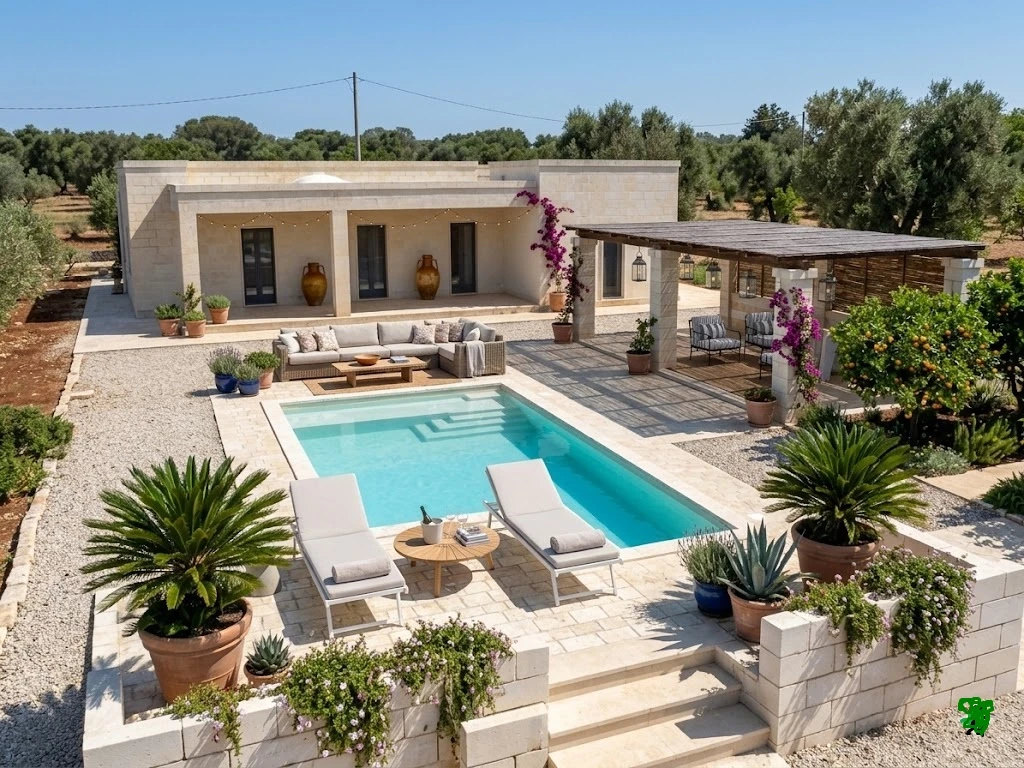
Quick answer: Foreign retirees typically pair Italian property with the Elective Residence Visa, which requires passive income from about €31,000 per year (consulates often want €50,000+), a registered home address, and private health cover at application. Tuscany, Umbria, and Puglia dominate buyer searches for age 55+ lifestyle moves. Second homes pay IMU property tax until you become tax resident in a non-luxury primary home.
Foreign retirees buying Italian property in 2026 typically pair Elective Residence visas with passive income near 31,160 EUR legally and 50,000 EUR or more in consulate practice, plus private health cover at 30,000 EUR minimum Schengen limits before arrival. Tuscany countryside budgets run 350,000 to 600,000 EUR for two-bedroom homes, Umbria spans 220,000 to 400,000 EUR, and Puglia averages near 1,422 EUR per square metre with IMU near 0.46 to 1.14 percent on second homes until prima casa registration. Cash closings often need 120 to 180 days from first viewing through rogito, visa filing, and Comune registration for buyers aged 55 plus. Non-EU retirees must confirm reciprocity clearance in writing with the notaio before any deposit release on rural or agricultural-adjacent plots.
Elective Residence files at major consulates reject remote employment income and require registered leases or deeds that fit household size, while SSN enrollment after permesso di soggiorno follows income-linked contributions through Agenzia delle Entrate. Annual carrying costs on a 300,000 EUR home add 2 to 4 percent of value including IMU, utilities near 1,800 to 3,000 EUR, and commercialista fees from 400 to 1,200 EUR depending on residency status. Buyer scenario planning should model visa timing before locking renovation capital in UNESCO towns with STR caps. Florence and Rome short-term rental caps make personal-use or long-term lease strategies safer for age 65 plus households that reject platform management overhead in historic centers. Register mailbox names before Questura visits to avoid anagrafe delays in centro storico buildings.
Who is this Italy retirement property guide for?
Retirement property buyers means foreign nationals aged 55 plus seeking Italian bases with hospitals within 45 minutes, budgets from 250,000 to 600,000 EUR all-in, passive income above 31,160 EUR legally, and Elective Residence consulate practice often near 50,000 EUR documented before 2026 visa filing for foreign buyers.
| Buyer age band | Typical budget | Primary goal |
|---|---|---|
| 55 to 64 | 250,000 to 450,000 EUR | Test regions before buy |
| 65 plus | 350,000 to 600,000 EUR | Ground-floor access |
| Seasonal | 280,000 to 500,000 EUR | October to May in Puglia |
- Exclude active salary from Elective Residence passive income files
- Model 10 to 15 percent closing atop purchase price
- Run retirement buyer scenario checklist before visa filing
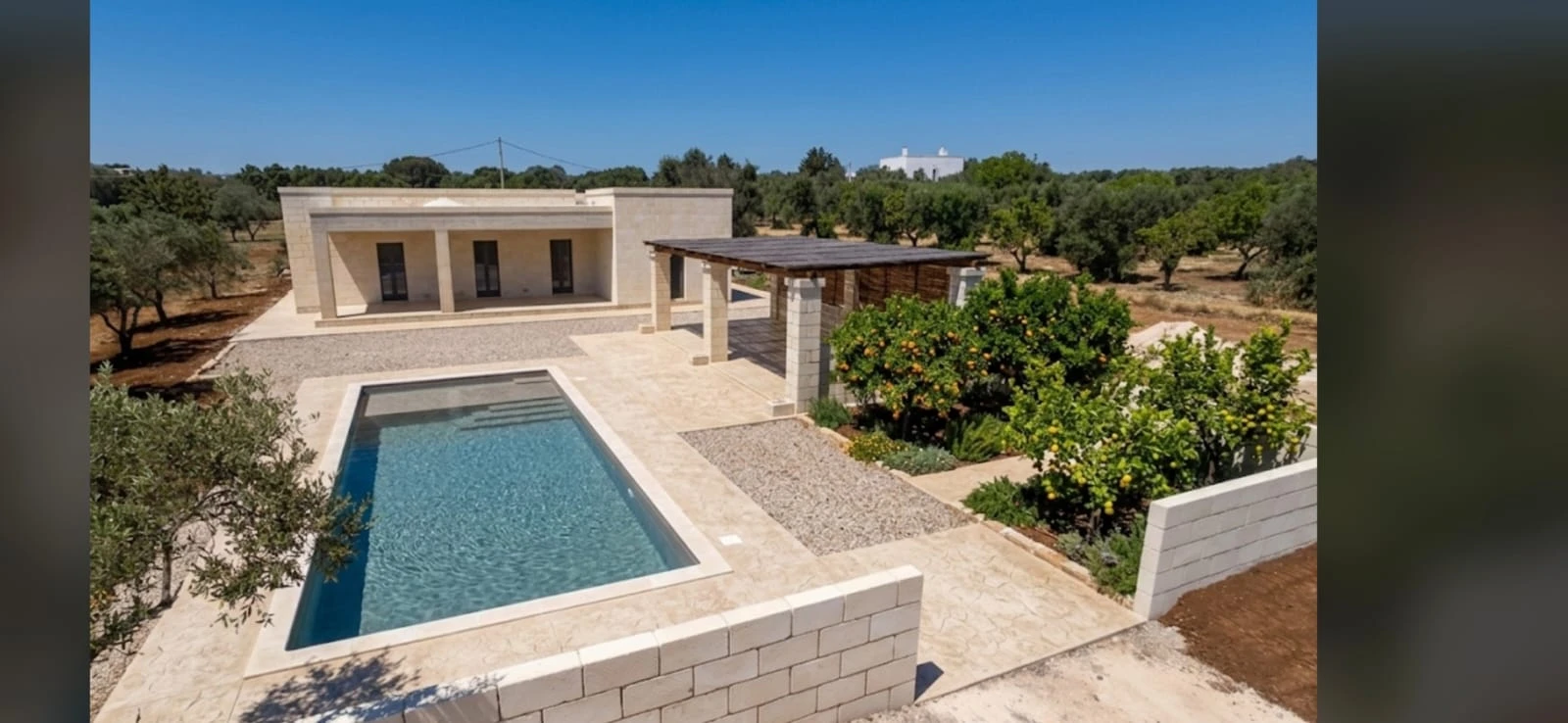
Non-EU and EU nationals aged 55 and over use this guide when they want a permanent or seasonal base in Italy, not a pure yield play. The typical buyer profile combines pension income, savings, and a desire for walkable towns, mild climate, and accessible healthcare within a 45-minute drive. If you still earn active salary or freelance fees, read our Elective Residence visa property guide carefully: that pathway forbids work, and consulates reject remote employment income presented as passive. Early retirees (55 to 64) often keep a home country address for two to three years while testing regions on long stays, then buy once they confirm healthcare and social fit. Full retirees (65+) prioritize ground-floor access, hospital proximity, and low-maintenance homes with modern heating. Seasonal retirees buy in Puglia or southern Tuscany for October-to-May living while renting out the property in peak summer, which triggers short-term rental rules if stays run under 30 days.
What must retirees prove for Elective Residence and property?
Elective Residence requires passive income near 31,160 EUR legally but consulates in New York, London, and Sydney often expect 50,000 to 80,000 EUR documented over 12 to 24 months plus registered lease or deed address proof sized for your household before 2026 filing season opens for foreign buyers.
- Reject remote salary disguised as passive income on visa files
- Register twelve-month lease or deed before consulate submission
- Budget 90 to 180 days visa processing after property secured
- Use the retirement visa buyer scenario checklist with your avvocato
The Italy Elective Residence visa remains the standard legal route for retirees who do not plan to work locally.
Property fits the visa in two ways. You may present a registered 12-month lease (contratto di locazione registered with Agenzia delle Entrate) or a purchase contract (compromesso or rogito). Buying signals commitment and removes landlord risk, but it means capital sits in Italy before visa approval. Renting keeps flexibility if the consulate delays or denies the file.
| Visa element | Official rule | Consulate reality | Property implication |
|---|---|---|---|
| Passive income | ~€31k single applicant | Often €50k+ documented | Mortgage payments do not count as passive |
| Accommodation | Registered lease or deed | Must match household size | Studio rejected for couples |
| Health insurance | €30k+ Schengen coverage | Zero deductible policies | Required before arrival |
| Work ban | No employment | Remote salary rejected | Digital nomad visa is separate |
| Timeline | 90 to 180 days processing | Property secured first | Budget rent during wait |
Before any offer, confirm you can buy property in Italy as a foreigner: reciprocity for your passport, codice fiscale, and notaio checks on title. Retirement buyers underestimate the 10% to 15% closing stack on top of purchase price; model that through our cost of buying property guide before you fix a budget.
How does healthcare work from visa insurance to SSN enrollment?
Retiree healthcare means private Schengen policies at 30,000 EUR minimum coverage during visa stage, then optional SSN enrollment after permesso di soggiorno with contributions near 1,500 to 4,500 EUR annually for couples before Florence or Puglia residency settles in 2026 for foreign buyers aged 55 plus under consulate medical review.
Visa stage healthcare is private.
| Stage | Minimum cover | Typical couple cost |
|---|---|---|
| Visa filing | 30,000 EUR per person | 1,500 to 3,500 EUR |
| Year one top-up | Hospital plus repatriation | 2,000 to 4,500 EUR |
| SSN voluntary | Income-linked | Varies by bracket |
- Reject travel policies with deductibles for consulate review
- Enroll SSN only after Comune anagrafe registration completes
- Map hospital drive-time before choosing Umbria versus Puglia
- Use the retiree healthcare checklist before consulate medical review
After you receive the permesso di soggiorno and register residency (iscrizione anagrafica) at the Comune, retirees may voluntarily enroll in the Servizio Sanitario Nazionale (SSN). Enrollment runs through the local Agenzia delle Entrate office with your codice fiscale, residency certificate, and permesso. Contributions follow IRPEF brackets on worldwide income declared in Italy once you are tax resident, or a flat formula for elective residents depending on your commercialista’s filing strategy.
| Healthcare stage | Coverage type | Typical annual cost | Best for |
|---|---|---|---|
| Visa application | International private | €1,500 to €3,500 per couple | Pre-arrival compliance |
| First 12 months | Private top-up + emergency SSN | €2,000 to €4,500 | Language gap period |
| SSN enrollment | Public system access | Income-linked | Long-term residents |
| Private specialist | Optional supplemental | €800 to €2,000 | Faster diagnostics |
Tuscany retirees benefit from Florence and Pisa hospital networks. Umbria centers on Perugia and Terni facilities. Puglia routes serious cases to Bari and Brindisi hospitals with growing private clinics in Ostuni and Lecce. When comparing regions, drive-time to emergency care matters more than restaurant count for buyers over 70.
How do IMU, residency, and second-home rules interact for retirees?
IMU on second homes typically costs 0.46 to 1.14 percent of cadastral value annually until tax residency and prima casa registration on a non-luxury primary home, while 183 plus days in Italy may trigger worldwide income reporting from 2026 for foreign buyers holding seasonal retirement bases under Agenzia delle Entrate rules.
| Owner status | IMU on second home | Prima casa path |
|---|---|---|
| Non-resident seasonal | 0.46 to 1.14 percent | Not available |
| Tax resident | May drop to zero | Non-luxury primary |
| STR non-resident | IMU plus 21 or 26 percent rent tax | Rare for retirees |
- Model IMU before assuming prima casa on holiday-only use
- Track 183-day rule if you split time with UK or US tax home
- Use tax checklist with commercialista before anagrafe election
Retirees who keep a UK or US tax home and use Italy seasonally often remain non-resident owners: IMU applies every year, TARI waste tax applies, and rental income faces 21% withholding on tourist lets. If you spend 183+ days in Italy or center vital interests here, you may become tax resident, triggering worldwide income reporting but unlocking prima casa IMU exemption on one home.
Read the full mechanics in our IMU property tax guide and compare prima casa vs second home tax before you choose which deed address to register.
Which regions suit Tuscany, Umbria, and Puglia buyers aged 55 plus?
Regional choice for age 55 plus buyers means Tuscany at 350,000 to 600,000 EUR with Florence healthcare, Umbria at 220,000 to 400,000 EUR quieter hills, or Puglia near 1,422 EUR per square metre with milder winters in 2026 for foreign buyers comparing retirement corridors using the regional buyer scenario checklist below.
- Tuscany: 4,737 EUR per square metre Florence benchmark; 4 to 7 percent gross long-term
- Umbria: 15 to 25 percent discount versus Tuscany stone farmhouses
- Puglia: 2,300 foreign purchases in recent FIAIP data; Brindisi airport access
Gate-away enquiry data consistently places Tuscany at the top of international search share, while Puglia leads value-for-money southern purchases.
Tuscany: prestige, healthcare, and higher entry
The Tuscany property investment guide documents Florence asking prices near €4,737/m² and countryside casali from €1,500 to €3,500/m². Retirees choose Lucca and Siena provinces for flat historic centers and train links. Chianti appeals to wine-loving couples with budget for €400,000+ restored farmhouses. Gross long-term yields run 4% to 7% if you let part of the year, but UNESCO towns now cap new short-term licenses.

Umbria: quieter hill towns and lower tickets
Umbria sits between Tuscany and Rome with 15% to 25% lower countryside pricing on comparable stone farmhouses. Towns like Todi, Spoleto, and Assisi offer walkable centers without Florence cruise crowds. Healthcare routes through Perugia. Foreign buyer liquidity is thinner than Tuscany, so selling takes longer, but carrying costs run lower. Pair Umbria research with our best regions to invest overview for infrastructure context.
Puglia: warmth, coast, and active foreign market
The Puglia property investment guide cites 2,300 foreign purchases in recent FIAIP data and regional averages near €1,422/m². Ostuni, Locorotondo, and the Valle d’Itria triangle attract retirees who want mild winters and airport access via Brindisi. Single-level trulli renovations are popular, but verify agricultural land status and water rights during due diligence.
| Region | Typical 2-bed countryside budget | Climate note | Healthcare hub | Foreign buyer depth |
|---|---|---|---|---|
| Tuscany (Lucca/Siena) | €350k to €600k | Mild, occasional snow | Florence | Very high |
| Umbria (Todi/Spoleto) | €220k to €400k | Continental hills | Perugia | Medium |
| Puglia (Valle d’Itria) | €280k to €500k | Warm, dry summers | Bari/Brindisi | High |
What buyer scenarios fit ages 55, 60, and 65 plus retirees?
Buyer scenarios at ages 58, 62, and 67 typically deploy 280,000 to 480,000 EUR across Umbria, Chianti, or Ostuni with Elective Residence files, IMU near 0.46 to 1.14 percent modeling, and optional rental offsets in 2026 for foreign buyers using the retirement buyer scenario checklist below.
| Scenario | Age | Budget | Region |
|---|---|---|---|
| A | 58 | Under 350,000 EUR | Umbria or northern Puglia |
| B | 62 | 280,000 EUR plus 35,000 EUR closing | Chianti foothills |
| C | 67 | 480,000 EUR pool villa | Ostuni seasonal STR |
- File Elective Residence only after passive income dossier is complete
- Model 650 EUR monthly long-term room income without STR licensing
- Limit July to August STR to licensed CIN stock only
Scenario A (age 58, US couple, €60k pension): Target Umbria or northern Puglia under €350,000. File Elective Residence with pension letters and purchase a two-bedroom town house with elevator access. Keep one year of private health insurance, enroll in SSN after anagrafe registration. IMU applies until Italian tax residency is established.
Scenario B (age 62, UK single, €45k passive): Buy a €280,000 casale in Chianti foothills with manageable garden. Budget €35,000 closing and €8,000 annual carrying (IMU, utilities, gardener). Let one bedroom on long-term contract for €650 per month to supplement income without triggering professional STR rules.
Scenario C (age 67, Australian couple, €90k portfolio income): Purchase €480,000 villa near Ostuni with pool. Spend November to April in Italy, use licensed STR for July and August only with CIN registration. Model net yield via Italy rental yield guide before relying on summer income.
What due diligence checklist should retirees complete before purchase?
Retiree due diligence requires five checks on reciprocity, cadastral versus market value, heritage restrictions, condominium statutes, and geometra surveys before compromesso on pre-1970 farmhouses costing 250,000 to 600,000 EUR in 2026 for foreign buyers aged 55 plus using the retiree due diligence checklist below before wiring deposits.
| Check | Why retirees care | Typical cost if failed |
|---|---|---|
| Reciprocity | Non-EU rural plots | Deal stop |
| Cadastral vs market | IMU base surprise | 900 to 2,400 EUR IMU shift |
| Heritage Soprintendenza | Window or facade work | Months delay |
| Condominium STR ban | Income plan collapse | Zero STR legal path |
| Geometra pre-1970 | Roof or septic | 10,000 EUR plus fixes |
Retirement buyers face the same legal landmines as investors, plus accessibility constraints.
- Reciprocity and agricultural land: Confirm notaio reciprocity clearance. Rural plots may carry agricultural restrictions for non-EU nationals.
- Cadastral vs market value: IMU is calculated on cadastral yield, not purchase price. See cadastral value vs market price.
- Heritage restrictions: Historic centers may require Soprintendenza approval for window and facade changes. Review heritage restricted property rules.
- Condominium statutes: City apartments may ban short lets or restrict age-restricted modifications.
- Geometra survey: Essential for roof, septic, and earthquake compliance on pre-1970 farmhouses.
What running costs do retirees forget to model?
Running costs on a 300,000 EUR retirement home typically add 2 to 4 percent of value annually including IMU near 900 to 2,400 EUR, utilities near 1,800 to 3,000 EUR, and commercialista fees from 400 to 1,200 EUR in 2026 for foreign buyers who skip the running cost checklist before visa filing.
Beyond IMU, budget TARI waste tax, condominium spese, gardener and pool care at 150 to 400 EUR monthly in Puglia, and heating costs in Umbria hill towns.
- Reserve 2 to 4 percent of home value for maintenance each year
- Model 150 to 400 EUR monthly gardener or pool care in Puglia
- Pay commercialista even with zero rental income as non-resident
| Annual cost (€300k home) | Non-resident retiree | Tax resident retiree |
|---|---|---|
| IMU | €900 to €2,400 | €0 if prima casa eligible |
| Utilities | €1,800 to €3,000 | Similar |
| Maintenance reserve | €2,000 to €4,000 | Similar |
| Insurance | €400 to €900 | Similar |
| Accounting | €400 to €800 | €600 to €1,200 |
How does retirement property connect to rental strategy?
Retirement rental strategy means long-term cedolare secca at 21 percent, tourist stays at 26 percent with CIN registration, or personal-use only when Florence and Rome caps block new STR licenses in 2026 for foreign buyers who model income before Elective Residence filing under municipal STR rules in Italy.
| Strategy | Tax rate | Retiree fit |
|---|---|---|
| Long-term lease | 21 percent cedolare | Stable 650 EUR room income |
| Licensed STR | 26 percent cedolare | July to August only |
| Personal use | IMU only | No platform admin |
Some retirees offset costs with rentals.
- Verify CIN transfer before buying STR-intended stock
- Avoid Florence centro if STR caps kill income plan
- Use rental yield checklist with conservative 50 percent occupancy
What are the steps from first viewing to registered residency?
Registered residency typically follows six steps over 7 plus months from region shortlist through codice fiscale, rogito, consulate visa filing, permesso, and Comune anagrafe registration with passive income above 31,160 EUR documented in 2026 for foreign buyers aged 55 plus on Elective Residence paths under consulate timing rules in Italy.
Visa stage alone often spans 90 to 180 days after rogito when consulates require deed or twelve-month registered lease address proof matching household size.
| Step | Weeks or months | Key output |
|---|---|---|
| 1 Region shortlist | Weeks 1 to 4 | Hospital map |
| 2 Codice fiscale | Weeks 2 to 6 | Tax ID certificate |
| 3 Compromesso DD | Weeks 6 to 16 | Geometra report |
| 4 Rogito | Weeks 16 to 20 | Registered deed |
| 5 Visa file | Months 4 to 6 | Consulate dossier |
| 6 Permesso plus anagrafe | Month 7 plus | Residency card |
- Do not wire compromesso deposit before reciprocity clearance for non-EU buyers
- Register lease or deed before visa interview when consulate requires address proof
- Use step-by-step checklist aligned with Elective Residence guide
What red flags should retirement buyers avoid?
Retirement red flags means rejecting remote work on Elective Residence files, unregistered leases, studio units for couples, renovation without utilities, and five years of ignored IMU near 0.46 to 1.14 percent while claiming non-residency in 2026 for foreign buyers who skip the red flag checklist below before consulate filing.
| Red flag | Why consulates or Comune reject | Prevention |
|---|---|---|
| Remote salary on ERV file | Work ban violation | Use digital nomad visa instead |
| Unregistered lease | Invalid address proof | Register with Agenzia delle Entrate |
| Studio for two people | Undersized housing | Two-bedroom minimum typical |
| No utilities at visa stage | Uninhabitable address | Connect power and water first |
| Unpaid IMU 5 years | Tax arrears follow deed | Clear Comune debts pre-rogito |
Consulates reject roughly 1 in 8 Elective Residence files when passive income documentation falls below 50,000 EUR practice thresholds despite the 31,160 EUR legal floor.
- Presenting remote work income on an Elective Residence file.
- Unregistered leases for visa accommodation proof.
- Studio apartments for two-person households.
- Properties under renovation without utilities connected at visa stage.
- Ignoring IMU for five years while claiming non-residency.
- Buying agricultural land without legal review of coltivatore diretto requirements.
Insider tip: Register your mailbox and intercom name before the Questura residency visit. Police officers reject files when names are missing on building directories, a common delay for foreign retirees in historic centers.
Ready to compare retirement-ready homes in Tuscany, Umbria, and Puglia with IMU and visa suitability flagged? Get a curated property shortlist matched to your passive income profile, accessibility needs, and seasonal use plan.
How does this guide connect to our Italy coverage?
Italy coverage links means reading Elective Residence, foreign buyer law, regional guides, IMU near 0.46 to 1.14 percent rules, and due diligence checklists after this retirement overview for aligned 2026 visa and tax filings by foreign buyers aged 55 plus planning Tuscany, Umbria, or Puglia bases in Italy.
| Next guide | Retiree use |
|---|---|
| Elective Residence property | 31,160 EUR income floor |
| IMU property tax | Second-home annual charge |
| Due diligence Italy | Geometra on pre-1970 stock |
| Puglia investment | 1,422 EUR per square metre context |
- Stack visa, tax, and property guides before compromesso
- Re-read IMU guide if you keep a home country tax residence
- Use due diligence checklist on every rural farmhouse viewing
Continue with the linked guides above for the full legal and financial stack behind retirement ownership.
Closing verification checklist
Use this Italy buyer checklist before compromesso signature or any wire to a notaio escrow account. Your independent avvocato should verify every line; the selling agent does not represent you at rogito.
Identity and tax setup. Confirm codice fiscale is issued and matches passport spelling exactly. Non-EU buyers need MAECI reciprocity confirmation in writing from the notaio file before deposit release. Open an Italian bank account or confirm your foreign bank can wire large euro sums with documented purpose codes.
Title and cadastral consistency. Request visura catastale storica and compare room counts, surface area, and category class against the on-site geometra survey. Mismatches between APE certificates, listing floor plans, and cadastral maps trigger registration delays and tax reassessments. Search for abusi edilizi (unauthorised works) on pools, terraces, and roof conversions; regularisation fines can exceed €10,000 on rural stock.
Condominium and municipal debts. Obtain certificato di regolarità contributi from the building administrator and verify no pending condominium lawsuits. Check IMU arrears and municipal service charges with the Comune; unpaid debts can transfer to the buyer after rogito.
Rental and licensing. If income matters, verify CIN (Codice Identificativo Nazionale) transferability or obtain a new CIN before marketing. Read condominium regolamento for tourist-use bans. Confirm SCIA or CIL filings for any structural work completed in the last five years. Model cedolare secca at 21% long-term or 26% short-term on gross rent, not net screenshots from listing portals.
Closing economics. Budget registration tax at 9% on second homes (2% only with prima casa and residency registration within 18 months). Add notary fees of 1% to 2%, agent commission if applicable, geometra survey, and mortgage bank costs. Wire only to the notaio conto provvisorio; never to seller personal accounts.
Exit planning. Italian plusvalenza may apply on sales within five years of purchase. Keep F24 payment receipts, renovation invoices, and rogito copies for capital gains calculations in Italy and your home country. If you hold through a company structure, confirm annual corporate filings and IVAFE exposure before year-end.
Remote purchase. Apostilled power of attorney must match the exact property description in compromesso. Allow two to three weeks for consular legalisation if buying from abroad. Schedule rogito only after mortgage perizia approval and abusi clearance are documented in writing.
Cross-check regional rules in our due diligence Italy property, cost of buying property Italy, and short-term rental rules Italy guides before final offer.
Frequently Asked Questions
Yes. EU citizens buy without reciprocity checks. Non-EU buyers need reciprocity or an Italian residence permit. Retirement buyers typically combine property purchase with the Elective Residence Visa, which requires passive income and a registered Italian address.
The legal minimum is about €31,000 per year for a single applicant (€31,160 in official tables), plus roughly 20% per dependent. Most consulates expect €50,000 or more in documented pensions, dividends, or rental income.
Tuscany offers healthcare access via Florence and strong expat networks. Umbria delivers lower prices and quiet hill towns. Puglia provides warmer winters, coastal living, and entry prices near €1,422/m² regional average with active foreign buyer demand.
Second homes and non-resident-owned property always pay IMU, typically 0.46% to 1.14% of cadastral value annually. If you register as tax resident and the home becomes your primary residence (not luxury class), IMU may be fully exempt.
Visa applicants need private international health insurance. After obtaining residency and registering with the local Comune, retirees can voluntarily enroll in the Servizio Sanitario Nazionale (SSN) through the Agenzia delle Entrate, paying income-based contributions.
Buying strengthens Elective Residence visa files and locks in housing costs. Renting avoids renovation risk and keeps capital liquid. Many 55+ buyers purchase in Tuscany or Puglia countryside, then spend winters in Italy and summers elsewhere.
A restored two-bedroom countryside home runs €250,000 to €450,000 in Umbria or Puglia, plus 10% to 15% closing costs. Tuscany casali often start near €400,000. Annual carrying costs including IMU, utilities, and maintenance add 2% to 4% of value.
No. The Elective Residence Visa prohibits employment and remote work, even for foreign employers. Active remote workers should consider Italy's Digital Nomad Visa instead, which follows different property and tax rules.
Get an Italy property shortlist
Tell us your budget and region (Tuscany, Lake Como, Puglia, Milan, Sardinia). We reply within one business day with options matched to your goals.