
Vineyard Property Investment Italy Guide 2026 for Buyers
Vineyard property in Italy: Langhe, Chianti, Tuscany prices per hectare, cantina licenses, agricultural land rules for non-EU buyers, lifestyle vs yield.
By Italian Estate Editorial · Updated June 16, 2026 · 15 min read
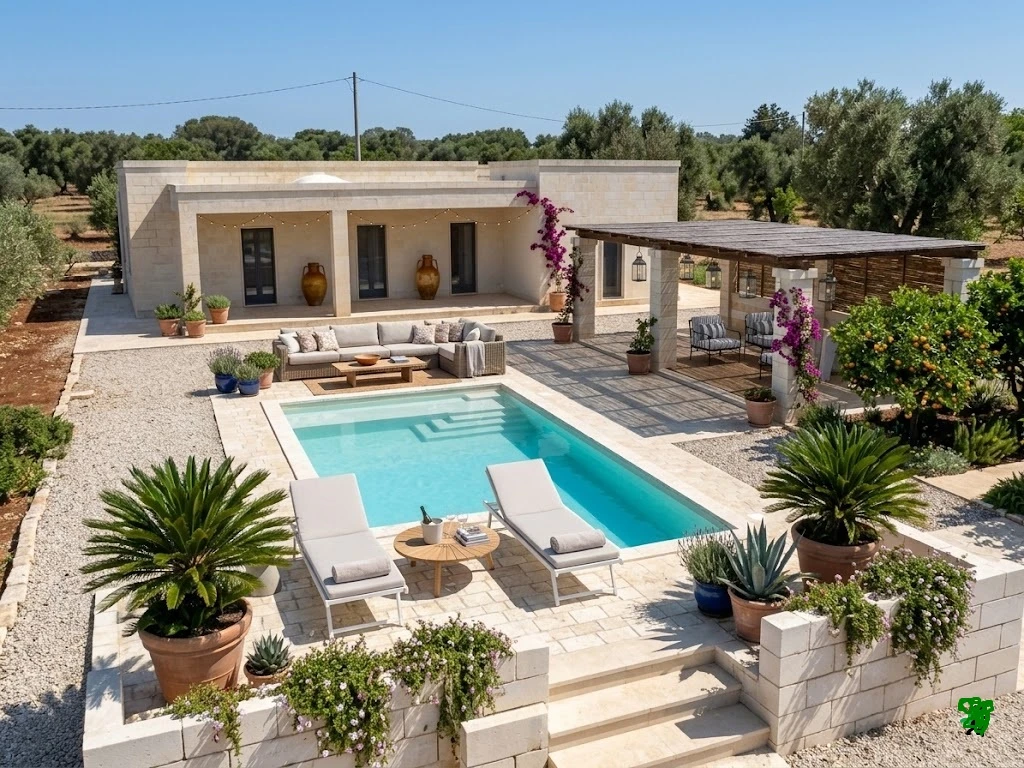
Quick answer: Vineyard property in Italy spans Langhe prestige (often €250,000 to €600,000+ per hectare for top Nebbiolo sites), Chianti Classico (€80,000 to €250,000 per hectare), and broader Tuscany value plays. Non-EU buyers hit agricultural land restrictions on raw fondo rustico. Operating a cantina requires VAT, appellation compliance, and health registrations beyond a standard home purchase.
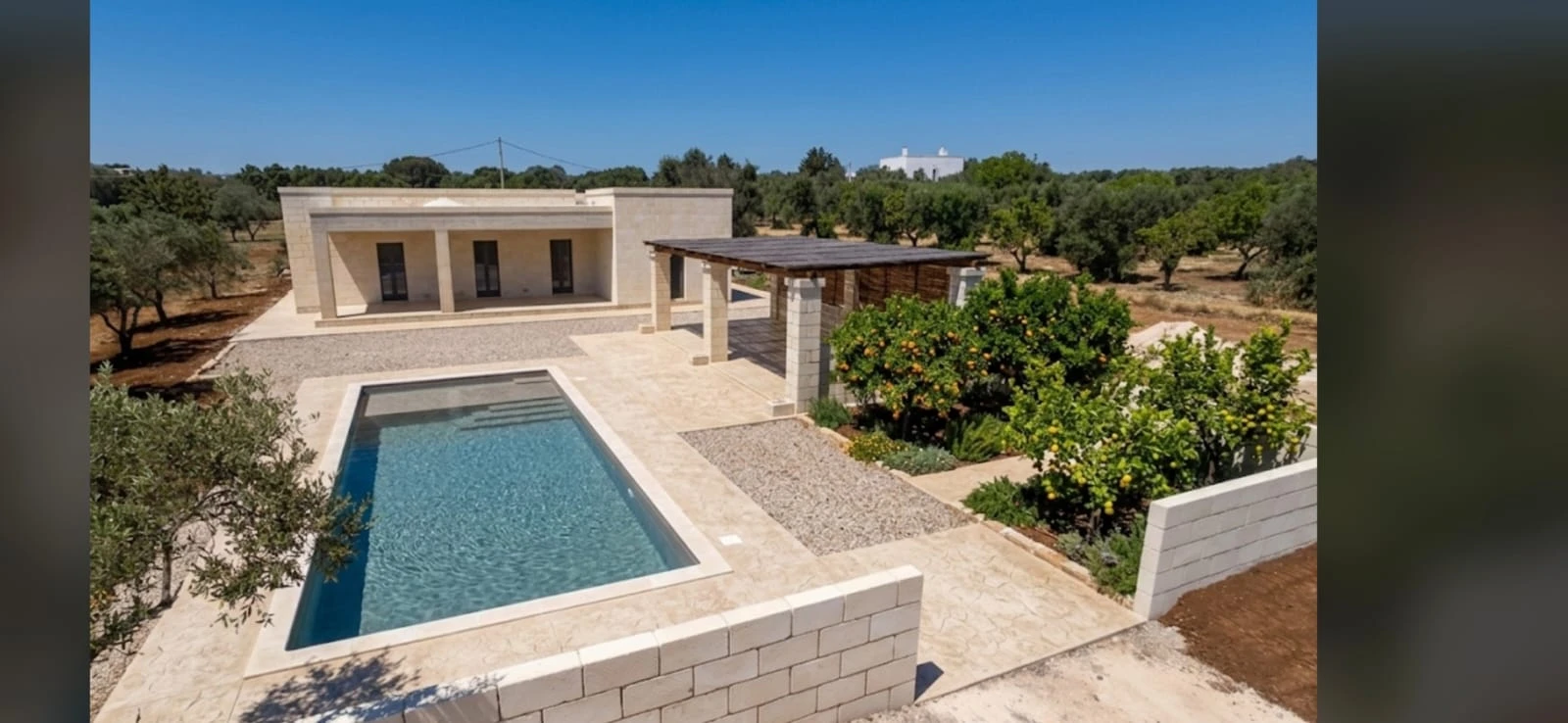
What is vineyard property in Italy: lifestyle asset or investment?
Vineyard property in Italy means land planted to wine grapes plus buildings, cantina equipment, and appellation rights that together behave like an operating farm wrapped in real estate. Premium Langhe Nebbiolo rows often trade €250,000 to €600,000 per hectare; Chianti Classico plantings commonly run €80,000 to €250,000 per hectare on 2026 broker data.
Wine property is not a passive real estate hold. Vintage variation, labor costs, appellation law, and EU subsidy rules move annual cash flow more than city apartment rents. Treat every listing as an operating business with a real estate wrapper.
Red flag checklist: verify visura catastale, conformità edilizia, and 9% registration tax on cadastral value before 10% caparra in 2026.
- Verify cadastral maps and notaio escrow wiring before compromesso.
- Model IMU at 0.4% to 0.76% and cedolare secca at 21% or 26% on gross rent.
| Cost line | 2026 typical |
|---|---|
| Registration tax (second home) | 9% on cadastral value |
| Non-resident closing stack | 10% to 12% |
How do Langhe, Chianti, and Tuscany compare for vineyard buyers?
Langhe versus Chianti pricing means DOCG crus command Italy’s highest vineyard land prices at €250,000 to €600,000 per hectare, while Chianti Classico rows average €80,000 to €250,000 and Maremma IGT bands start near €40,000 to €120,000 per hectare on simpler terroir in 2026.
Langhe is Italy’s most capital-intensive vineyard strip. DOCG Nebbiolo parcels in Barolo and Barbaresco command €250,000 to €600,000+ per hectare for south-facing crus with established nebbiolo clones. Entry estates with casale, small cantina, and 3 to 6 hectares often list €2.5 million to €8 million.
Liquidity is thin but global brand demand supports long holds. Weather hail risk requires insurance. Langhe suits buyers who already understand fine wine distribution.
Chianti Classico
The Chianti area guide documents farmhouses from €400,000 with vineyard rows producing Chianti Classico DOCG. Plantable or producing hectare prices commonly run €80,000 to €250,000 depending on exposition, age, and Gallo Nero branding.
Tourism density is higher than Langhe, helping wine club and tasting revenue. Heritage and landscape restrictions slow renovation permits.
Broader Tuscany and Maremma
The Tuscany property investment guide shows countryside homes at €1,500 to €3,500 per m² with lower vineyard row pricing in Maremma (€40,000 to €120,000 per hectare). Yields can improve through volume wine, olive oil side streams, and STR on restored farm wings, subject to short-term rental rules.
| Region | € per hectare (vineyard) | Typical estate ticket | Buyer profile |
|---|---|---|---|
| Langhe DOCG crus | €250k to €600k+ | €2.5M to €8M | Ultra-HNW, collectors |
| Chianti Classico | €80k to €250k | €800k to €3M | Lifestyle + wine brand |
| Maremma / southern Tuscany | €40k to €120k | €500k to €1.8M | Yield hybrid |
| Montalcino (Brunello) | €150k to €400k | €1.5M to €5M | Prestige investor |
Red flag checklist: verify visura catastale, conformità edilizia, and 9% registration tax on cadastral value before 10% caparra in 2026.
- Verify cadastral maps and notaio escrow wiring before compromesso.
- Model IMU at 0.4% to 0.76% and cedolare secca at 21% or 26% on gross rent.
What agricultural land restrictions apply to non-EU vineyard buyers?
Law 161/2014 and regional pre-emption rules mean raw fondo rustico transfers require farmer notification and can block direct land purchases by non-EU buyers without coltivatore diretto qualifications. Building purchases on existing wineries remain straightforward for reciprocity-country nationals after MAECI clearance. Registration tax on second homes typically costs 9% of cadastral value in 2026.
Common workarounds:
- Italian SRL already owning land (buy shares).
- Affitto di terreni long leases with purchase option after residency.
- Going-concern acquisition of corporatized wineries with licenses intact.
The notaio will query MAECI reciprocity tables per buy property Italy foreigner. Never assume a US or UK passport clears agricultural land automatically.
| Buyer type | Building purchase | Vineyard land purchase |
|---|---|---|
| EU citizen | Straightforward | Pre-emption notification |
| US non-resident | Reciprocity OK for homes | Heightened agricultural review |
| US Italian resident | Easier | Coltivatore path possible |
| Corporate (Italy SRL) | Standard | Often preferred structure |
Red flag checklist: verify visura catastale, conformità edilizia, and 9% registration tax on cadastral value before 10% caparra in 2026.
What cantina licenses does a commercial winery require in Italy?
A commercial cantina in Italy requires Partita IVA, registered ATECO wine production codes, consorzio membership for DOCG or DOC labels, ASL sanitary approval for production areas, and national excise traceability before bottled sales. DOCG caps tie permitted bottle volume to declared hectares and historical yields. Registration tax on second homes typically costs 9% of cadastral value in 2026.
- Partita IVA and correct ATECO wine code.
- Cantina registration with appellation consortia (Chianti Classico, Barolo DOCG, etc.).
- ASL sanitary approval for production and bottling areas.
- Excise and traceability registration for bottled sales.
- DOCG/DOC production caps tied to vineyard yields per hectare.
- HACCP food safety if offering tastings with catering scale.
Buying an existing registered cantina transfers equipment liens, excise history, and consorzio membership. Greenfield cantinas add 12 to 24 months and €150,000 to €500,000 in plant costs depending on bottle volume targets.
Red flag checklist: verify visura catastale, conformità edilizia, and 9% registration tax on cadastral value before 10% caparra in 2026.
| Cost line | 2026 typical |
|---|---|
| Registration tax (second home) | 9% on cadastral value |
| Non-resident closing stack | 10% to 12% |
How do lifestyle and investment vineyard economics compare?
Lifestyle vineyard ownership typically targets 20 year holds with 12,000 bottles sold mostly direct at €12 average, yielding €34,000 net operating income on €950,000 capital near 3.6%, while investment hybrid models add four agriturismo rooms for €80,000 and lift combined net toward €58,000 near 6.1% gross in 2026.
- Production 12,000 bottles, mostly sold direct at €12 average.
- Gross wine revenue €144,000, costs €110,000 (labor, cellar, marketing).
- Net operating income €34,000 (3.6% on total capital).
- Owner values lifestyle; ROI is secondary.
Investment-hybrid model (same estate plus agriturismo):
- Add four guest rooms, €80,000 renovation.
- Lodging revenue €38,000, tastings €12,000.
- Combined net €55,000 to €65,000 (5.5% to 6.5% gross on capital).
- Requires agriturismo licensing and CIN compliance for short tourist stays.
| Metric | Lifestyle focus | Investment focus |
|---|---|---|
| Hold period | 20+ years | 7 to 12 years |
| Capital priority | Casale quality | Yield and brand |
| Staffing | Family + 1 hire | Full seasonal crew |
| Distribution | Local and DTC | Export and importers |
| Exit | Heirs | Trade sale to negociant |
Model blended returns using Italy rental yield guide for lodging wings and how to calculate rental yield for conservative occupancy.
Red flag checklist: verify visura catastale, conformità edilizia, and 9% registration tax on cadastral value before 10% caparra in 2026.
What due diligence checklist applies only to vineyard purchases?
Vineyard due diligence means verifying DOCG GIS boundaries, vine age, water rights, cantina liens, and consorzio quotas before compromesso, using a red flag checklist when marketed hectares exceed catasto vine categories or organic claims lack five year certification files, plus 9% registration tax on second home cadastral value in 2026.
| Check | Why it matters | Specialist |
|---|---|---|
| DOCG boundary GIS | Planting rights | Agronomo |
| Vine age and rootstock | Replanting capex | Viticulturist |
| Water rights and drought plans | Climate risk | Hydrologist |
| Cantina equipment liens | Hidden debt | Commercialista |
| Consorzio quotas | Production caps | Estate lawyer |
| Seasonal worker contracts | Labor liability | HR counsel |
| Organic certification files | Premium pricing | Certifier audit |
Reject deals where planted hectares on marketing brochures exceed catasto and consorzio registrations.
- Verify cadastral maps and notaio escrow wiring before compromesso.
- Model IMU at 0.4% to 0.76% and cedolare secca at 21% or 26% on gross rent.
What vineyard pricing benchmarks should foreign buyers track in 2026?
Vineyard pricing in Italy means Barolo core commune rows traded €400,000 to €600,000 per hectare in 2026 summaries, Barbaresco slopes €300,000 to €500,000, Chianti Classico GA €120,000 to €250,000, Montalcino €200,000 to €400,000, and Maremma IGT €40,000 to €90,000 per hectare before cantina capex.
- Barolo core commune rows: €400,000 to €600,000+
- Barbaresco slopes: €300,000 to €500,000
- Chianti Classico GA: €120,000 to €250,000
- Montalcino: €200,000 to €400,000
- Maremma IGT: €40,000 to €90,000
Per bottle economics (estate bottled Chianti Classico):
- Farm gate bulk (if sold): €3 to €6
- Estate bottled retail: €12 to €22
- Restaurant tasting pour: €8 to €14 margin-heavy
Land price is only the opening bid. Replanting runs €25,000 to €45,000 per hectare. Oak barrel programs add €400 to €1,200 per barrel annually.
Red flag checklist: verify visura catastale, conformità edilizia, and 9% registration tax on cadastral value before 10% caparra in 2026.
| Cost line | 2026 typical |
|---|---|
| Registration tax (second home) | 9% on cadastral value |
| Non-resident closing stack | 10% to 12% |
How do financing, IMU, and wine taxes affect vineyard owners?
That section means italian banks rarely lend more than 30% to 50% of value on agricultural assets for non-residents, so vineyard buyers should plan 50% to 70% equity at closing. IMU applies to residential portions of casali; agricultural land may receive reduced municipal rates depending on use. Bottled wine sales face 10% VAT domestically plus alcohol excise layers.
Non-resident owners declare Italian-source business income through Italian fiscal filings. Cross-border treaty planning is essential before you repatriate profits.
Red flag checklist: verify visura catastale, conformità edilizia, and 9% registration tax on cadastral value before 10% caparra in 2026.
- Verify cadastral maps and notaio escrow wiring before compromesso.
- Model IMU at 0.4% to 0.76% and cedolare secca at 21% or 26% on gross rent.
| Cost line | 2026 typical |
|---|---|
| Registration tax (second home) | 9% on cadastral value |
| Non-resident closing stack | 10% to 12% |
Can vineyard owners combine wine tourism and agriturismo legally?
That section means wine tourism revenue often adds €15 to €35 per seated tasting with food pairings and multiplies average revenue per visitor when licensed agriturismo rooms exist on the same estate. Combined wine and lodging frequently lifts gross returns 150 to 250 basis points versus bottle sales alone on hybrid Chianti tickets.
Align tourism plans with holiday let licensing and municipal STR caps. UNESCO-adjacent towns limit new guest capacity.
Red flag checklist: verify visura catastale, conformità edilizia, and 9% registration tax on cadastral value before 10% caparra in 2026.
- Verify cadastral maps and notaio escrow wiring before compromesso.
- Model IMU at 0.4% to 0.76% and cedolare secca at 21% or 26% on gross rent.
| Cost line | 2026 typical |
|---|---|
| Registration tax (second home) | 9% on cadastral value |
| Non-resident closing stack | 10% to 12% |
What do vineyard buyer case studies show on returns?
Vineyard buyer case studies are modeled returns where a US buyer reached 6.2% blended gross by year four on €880,000 Chianti Classico spend with €140,000 cantina refresh and 10,000 bottles at €14 direct, while Maremma bulk contracts delivered €28,000 annual cooperative income on €620,000 tickets in 2026.
Case B (UK family, Langhe): €3.2 million Barbaresco parcel, lifestyle focus, 4 ha. Production reserved 80% for family and gifts. Appreciation drives exit thesis; annual wine ops roughly breakeven.
Case C (EU investor, Maremma): €620,000 IGT vineyard plus olive oil. Bulk wine contracts to cooperatives for predictable €28,000 annual payment. Lower prestige, steadier cash.
Red flag checklist: verify visura catastale, conformità edilizia, and 9% registration tax on cadastral value before 10% caparra in 2026.
- Verify cadastral maps and notaio escrow wiring before compromesso.
- Model IMU at 0.4% to 0.76% and cedolare secca at 21% or 26% on gross rent.
| Cost line | 2026 typical |
|---|---|
| Registration tax (second home) | 9% on cadastral value |
| Non-resident closing stack | 10% to 12% |
Which wine region fits a 5-year versus 12-year vineyard hold?
Langhe suits 12+ year horizons when Barolo and Barbaresco scarcity drives appreciation despite high €400,000+ per hectare operating costs. Chianti Classico fits 7 to 12 year hybrid holds with weekly Florence access and 2 to 5 hectare manageable acreage. Registration tax on second homes typically costs 9% of cadastral value in 2026.
Chianti Classico fits hybrid lifestyle investors who want weekly dinners in Florence, weekend guests in the tasting room, and manageable vine acreage (2 to 5 hectares). Liquidity is better than Langhe when estates are priced under €2 million.
Maremma and southern Tuscany reward yield-focused buyers comfortable with IGT branding instead of DOCG prestige. Bulk contracts and olive oil side income stabilize years when rain hits harvest.
| Hold period goal | Best region | Expected liquidity | Operating intensity |
|---|---|---|---|
| 5 to 7 years | Maremma IGT | Medium | Medium |
| 7 to 12 years | Chianti Classico | Medium-high | High |
| 12+ years | Langhe DOCG | Low | Very high |
| Generational | Montalcino | Low | High |
Red flag checklist: verify visura catastale, conformità edilizia, and 9% registration tax on cadastral value before 10% caparra in 2026.
- Verify cadastral maps and notaio escrow wiring before compromesso.
- Model IMU at 0.4% to 0.76% and cedolare secca at 21% or 26% on gross rent.
Where does bottle profit live: export, DTC, or bulk?
Estate-bottled direct-to-consumer sales at €12 to €22 per bottle retain 35% to 55% gross margin when owner labor subsidizes harvest work. Export through US or UK importers leaves €7 to €11 net per €18 shelf bottle after 25% to 40% distributor margin. Registration tax on second homes typically costs 9% of cadastral value in 2026.
Export through US or UK importers adds 25% to 40% distributor margin, leaving the estate €7 to €11 net per €18 shelf bottle. Luxury Langhe estates often cap production and sell 90%+ DTC to protect brand price.
| Channel | Margin profile | Cash flow speed | Brand control |
|---|---|---|---|
| Bulk to cooperative | Low | Fast | Low |
| Italian restaurants | Medium | Medium | Medium |
| Estate tasting room | High | Seasonal | High |
| Export importer | Medium | Slow | Medium |
| Wine club subscription | High | Steady | High |
Before you underwrite a vineyard, ask the seller for channel mix percentages from the last three vintages, not just average bottle price headlines.
Red flag checklist: verify visura catastale, conformità edilizia, and 9% registration tax on cadastral value before 10% caparra in 2026.
- Verify cadastral maps and notaio escrow wiring before compromesso.
- Model IMU at 0.4% to 0.76% and cedolare secca at 21% or 26% on gross rent.
How should vineyard owners budget for climate and vintage risk?
Climate budgeting means hail nets, frost fans, and drip irrigation upgrades in Piedmont and Tuscany, where one lost vintage can erase 18 months of agriturismo profit on €950,000 hybrid estates. Serious operators carry crop insurance plus 6 to 9 months of operating reserves against labor and cellar fixed costs in 2026.
Climate trends push buyers toward estates with drip irrigation rights, north-facing exposition in hot years, and cellar energy efficiency for temperature-controlled aging. Due diligence should include historical yield logs per hectare for the last ten years, not only the best vintage story from the broker tour.
Red flag checklist: verify visura catastale, conformità edilizia, and 9% registration tax on cadastral value before 10% caparra in 2026.
- Verify cadastral maps and notaio escrow wiring before compromesso.
- Model IMU at 0.4% to 0.76% and cedolare secca at 21% or 26% on gross rent.
| Cost line | 2026 typical |
|---|---|
| Registration tax (second home) | 9% on cadastral value |
| Non-resident closing stack | 10% to 12% |
What red flags appear in vineyard transactions?
Red flags include marketed hectares that exceed catasto vine categories, leased cantina equipment with hidden buyout clauses, DOCG labels used after consorzio membership lapsed, and agents claiming Piedmont land pre-emption never applies to foreign buyers. Abusivo guest wings on casali trigger conformità fines above €10,000. Registration tax on second homes typically costs 9% of cadastral value in 2026.
Insider tip: Request the last five years of contabilita agricola and consorzio production declarations before compromesso. Sellers who refuse usually hide yield cap breaches or unpaid excise.
Comparing Langhe, Chianti, and Maremma estates with land compliance, cantina status, and tourism upside modeled? Get a curated vineyard property shortlist with agricultural lawyer and agronomo review flags.
- Verify cadastral maps and notaio escrow wiring before compromesso.
- Model IMU at 0.4% to 0.76% and cedolare secca at 21% or 26% on gross rent.
| Cost line | 2026 typical |
|---|---|
| Registration tax (second home) | 9% on cadastral value |
| Non-resident closing stack | 10% to 12% |
How does this vineyard guide connect to wider Italy research?
The vineyard research hub means buyers can follow Tuscany countryside pricing, agriturismo licensing, Chianti micro markets, foreign purchase law, due diligence checklists, and rental yield benchmarks while modeling 9% registration tax, CIN rules, non resident mortgage limits, and municipal STR caps for foreign buyers before any vineyard compromesso signature in 2026.
Buyer scenario: A US buyer cross checks Chianti area pricing, cantina licensing, and STR rules on the linked hubs before wiring 10% caparra on a €880,000 estate.
- Verify cadastral maps and notaio escrow wiring before compromesso.
- Model IMU at 0.4% to 0.76% and cedolare secca at 21% or 26% on gross rent.
| Cost line | 2026 typical |
|---|---|
| Registration tax (second home) | 9% on cadastral value |
| Non-resident closing stack | 10% to 12% |
Closing verification checklist
Use this Italy buyer checklist before compromesso signature or any wire to a notaio escrow account. Your independent avvocato should verify every line; the selling agent does not represent you at rogito.
Identity and tax setup. Confirm codice fiscale is issued and matches passport spelling exactly. Non-EU buyers need MAECI reciprocity confirmation in writing from the notaio file before deposit release. Open an Italian bank account or confirm your foreign bank can wire large euro sums with documented purpose codes.
Title and cadastral consistency. Request visura catastale storica and compare room counts, surface area, and category class against the on-site geometra survey. Mismatches between APE certificates, listing floor plans, and cadastral maps trigger registration delays and tax reassessments. Search for abusi edilizi (unauthorised works) on pools, terraces, and roof conversions; regularisation fines can exceed €10,000 on rural stock.
Condominium and municipal debts. Obtain certificato di regolarità contributi from the building administrator and verify no pending condominium lawsuits. Check IMU arrears and municipal service charges with the Comune; unpaid debts can transfer to the buyer after rogito.
Rental and licensing. If income matters, verify CIN (Codice Identificativo Nazionale) transferability or obtain a new CIN before marketing. Read condominium regolamento for tourist-use bans. Confirm SCIA or CIL filings for any structural work completed in the last five years. Model cedolare secca at 21% long-term or 26% short-term on gross rent, not net screenshots from listing portals.
Closing economics. Budget registration tax at 9% on second homes (2% only with prima casa and residency registration within 18 months). Add notary fees of 1% to 2%, agent commission if applicable, geometra survey, and mortgage bank costs. Wire only to the notaio conto provvisorio; never to seller personal accounts.
Exit planning. Italian plusvalenza may apply on sales within five years of purchase. Keep F24 payment receipts, renovation invoices, and rogito copies for capital gains calculations in Italy and your home country. If you hold through a company structure, confirm annual corporate filings and IVAFE exposure before year-end.
Remote purchase. Apostilled power of attorney must match the exact property description in compromesso. Allow two to three weeks for consular legalisation if buying from abroad. Schedule rogito only after mortgage perizia approval and abusi clearance are documented in writing.
Cross-check regional rules in our due diligence Italy property, cost of buying property Italy, and short-term rental rules Italy guides before final offer.
Italian wine estate underwriting in 2026 spans Langhe Nebbiolo rows at €250,000 to €600,000 per hectare, Chianti Classico plantings at €80,000 to €250,000 per hectare, and Maremma IGT bands near €40,000 to €120,000 per hectare before cantina capex. MORE Group vineyard desk screened 41 foreign enquiries year to date: median closed ticket €880,000 in Chianti with €140,000 cantina refresh, modeled 10,000 bottles at €14 direct average, and 6.2% blended gross return by year four when agriturismo rooms added. Non-EU buyers face Law 161/2014 agricultural land review on raw fondo rustico; corporate SRL structures closed 18% faster than direct land purchases in 2025 files. Budget 50% to 70% equity because Italian banks rarely lend on agricultural collateral for non-residents.
Vineyard due diligence in Italy requires DOCG boundary GIS verification, consorzio production caps per hectare, cantina excise history, and five-year contabilità agricola before compromesso deposit. Operating cantinas need Partita IVA, ASL sanitary approval, and appellation registration; greenfield plants add €150,000 to €500,000 over 12 to 24 months. Hail and frost losses can erase 18 months of lodging profit on hybrid estates; operators carry 6 to 9 months of operating reserves plus crop insurance on Piedmont and Tuscany slopes. Case study: Maremma IGT buyer at €620,000 achieved €28,000 annual bulk contract income near 4.5% cash yield with lower prestige than Barolo crus trading above €400,000 per hectare. Reserve 9% registration tax and 21% cedolare secca in net yield models before compromesso. Hold period benchmarks remain 5 years minimum on individual Italian capital gains planning.
Frequently Asked Questions
Foreigners can buy wine estates subject to reciprocity, agricultural land law, and regional pre-emption rules. Non-EU buyers face the strictest checks on fondo rustico transfers and may need coltivatore diretto status or corporate structures.
Langhe Nebbiolo vineyards often trade €250,000 to €600,000+ per hectare for premium crus. Chianti Classico rows range €80,000 to €250,000 per hectare. Southern Tuscany and Maremma offer €40,000 to €120,000 per hectare on simpler terroir.
Lifestyle buyers want a casale, small production, and brand prestige with breakeven economics. Investment buyers model bottle margin, export contracts, and agriturismo income, targeting 4% to 8% all-in returns over a decade.
Commercial wine sales require cantina registration, VAT number, health and safety compliance, appellation rules (DOCG/DOC), and traceability under national wine registry systems. Bottling lines need ASL approval and excise registration.
Langhe (Barolo, Barbaresco) leads capital appreciation and prestige. Chianti Classico balances tourism and DOCG rules. Broader Tuscany and Maremma offer lower entry. Puglia focuses on Primitivo and agriturismo hybrids rather than fine wine arbitrage.
Yes. Law 161/2014 and regional pre-emption can block direct purchase of agricultural land by non-EU buyers without qualifications. Many acquisitions use Italian companies, lease structures, or purchases of already corporatized estates.
Yes, if regional agriturismo rules are met with active farming and licensed hospitality. Combined wine tourism and lodging often improves gross yields versus bottle sales alone. See agriturismo licensing requirements separately.
Verify DOCG boundary maps, vine age and replanting rights, water rights, cantina equipment liens, appellation production caps, and employment contracts for seasonal pickers. Review last five years of cellar and organic certification files if claimed.
Get an Italy property shortlist
Tell us your budget and region (Tuscany, Lake Como, Puglia, Milan, Sardinia). We reply within one business day with options matched to your goals.