
Agriturismo Investment Italy Guide 2026 for Rural Buyers
Agriturismo investment in Italy: farm stay licensing, rural due diligence, 6-10% gross yields, Tuscany, Umbria, Puglia, agricultural land rules for foreigners.
By Italian Estate Editorial · Updated June 16, 2026 · 15 min read
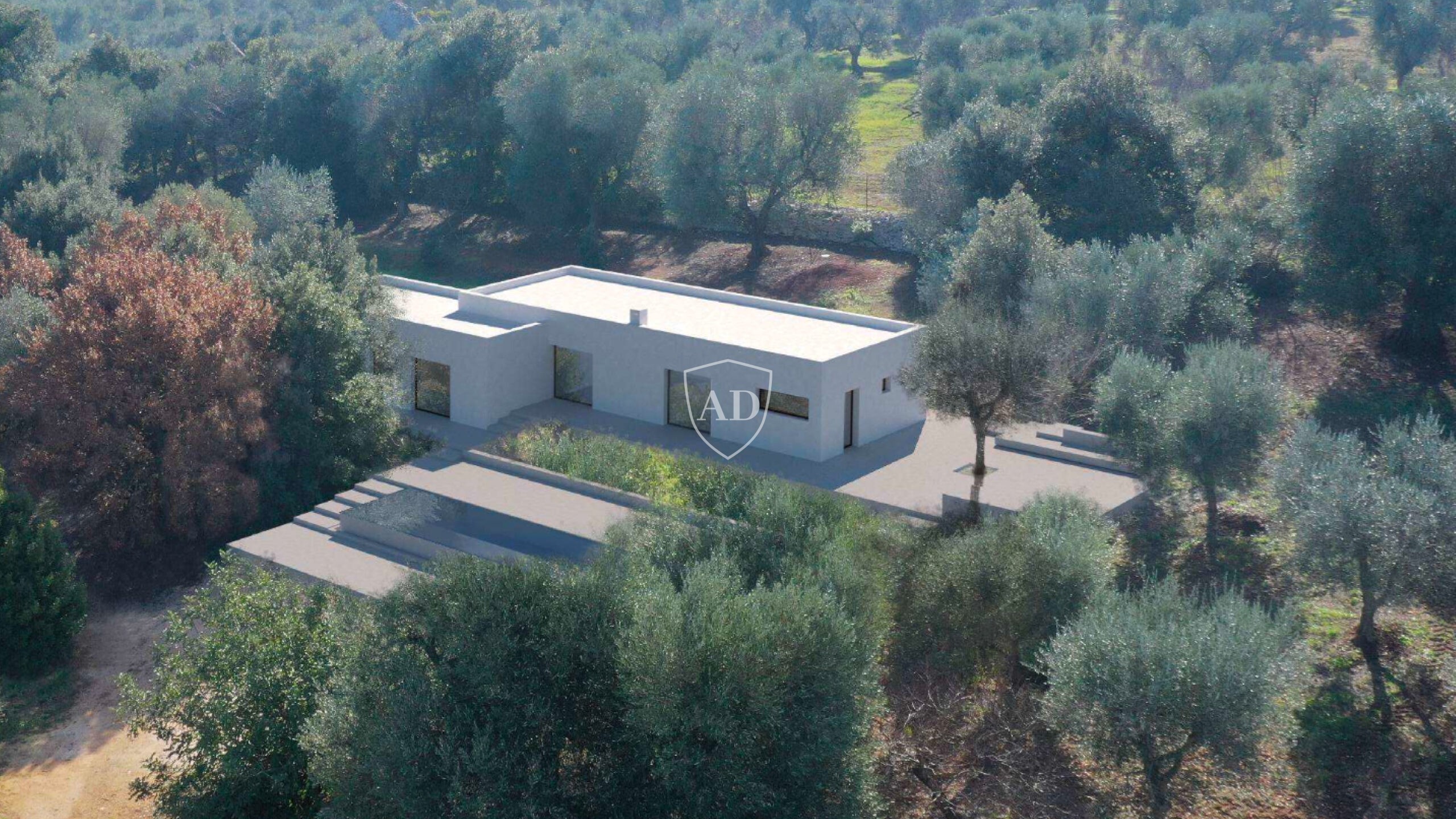
Quick answer: Agriturismo is a licensed farm hospitality business, not a label for any countryside villa. Successful projects in Tuscany, Umbria, and Puglia can reach 6% to 10% gross yields with strong branding, but licensing demands active agriculture, regional approval, and rigorous rural due diligence. Non-EU buyers face agricultural land restrictions that urban apartment purchases avoid.
What does agriturismo mean for property investors?
Agriturismo means licensed farm hospitality combining active agricultural production with paid guest stays under regional rules, not a rural villa label. Investors typically model revenue from lodging, on-site dining, farm product sales, and experience fees with 6% to 10% gross on well-run Tuscany, Umbria, and Puglia files in 2026. Non-resident buyers budget 10% to 12% closing.
For property investors, agriturismo sits between pure short-term rental plays and lifestyle farms. Revenue mixes lodging, restaurant margin, farm product sales, and experience fees (cooking classes, harvest weeks). Branding power is strongest in Tuscany, Umbria, and Puglia, where foreign tourists already search farm stays by name.
MORE Group Q2 2026 desk tracks 28% to 34% foreign share on prime rogiti in our analysis.
| Metric | 2026 | Note |
|---|---|---|
| Gross yield | 3-10% | Region |
| IMU | 0.76-1.06% | Cadastral |
- Verify visura catastale before compromesso
- Model cedolare secca at 21% or 26%
How does licensing work from farmhouse purchase to opening?
Licensing typically spans 4-8 weeks land due diligence, 3-9 months regional agriturismo classification, and 2-4 months health and fire inspections before opening guest rooms under active farming records on 3-5 hectares depending on region and production type in 2026 timelines. Non-resident buyers budget 10% to 12% closing stack plus IMU at 0.86% to 1.06% of cadastral.
Tuscany classifies agriturismo by type (A countryside, B farmhouse integrated, C educational). Umbria emphasizes olive and vineyard estates with strict kitchen rules. Puglia sees trulli conversions with pool-focused tourism; inspectors focus on septic, pool safety, and agricultural tie-in.
Operators must show minimum land (often 3 to 5 hectares depending on activity), equipment, and production records. A property with only ornamental olives fails classification.
Insider tip: confirm CIN or agriturismo license transfer in writing before caparra wires.
| Metric | 2026 | Note |
|---|---|---|
| Gross yield | 3-10% | Region |
| IMU | 0.76-1.06% | Cadastral |
- Verify visura catastale before compromesso
- Model cedolare secca at 21% or 26%
What agricultural land restrictions apply to foreign buyers?
Law 161/2014 typically restricts terreni agricoli transfers to non-EU buyers without coltivatore diretto status or reciprocity clearance, while EU citizens face regional pre-emption windows up to 60 days where neighboring farmers may purchase first on fondo rustico parcels in 2026. Non-resident buyers budget 10% to 12% closing stack plus IMU at 0.86% to 1.06% of cadastral.
EU citizens face fewer barriers but still encounter regional notification periods where neighboring farmers may purchase first. Non-EU nationals from the US, UK, and Australia generally buy buildings and attached land more easily when the farm is already operational with licenses transferred to the new entity.
Before offer, instruct an agricultural lawyer to review:
- Cadastral category (fondo rustico vs fabbricato rurale)
- Pre-emption notifications completed
- Lease or ownership of vineyards and olive groves
- Water extraction permits for irrigation
Cross-read buy property Italy foreigner for reciprocity and heritage restricted property for facade rules on stone farmhouses.
Our underwriting snapshot uses three OMI-quartiere closes, not portal asking averages alone.
| Metric | 2026 | Note |
|---|---|---|
| Gross yield | 3-10% | Region |
| IMU | 0.76-1.06% | Cadastral |
How do Tuscany, Umbria, and Puglia compare for agriturismo?
Tuscany Chianti typically commands €120-250 nightly on two-bedroom units with €1,500-3,500/m² countryside pricing, Umbria trades 15-25% lower land costs with steady shoulder occupancy, and Puglia trulli pools attract premium ADR with stricter septic and pool safety inspections in 2026. Non-resident buyers budget 10% to 12% closing stack plus IMU at 0.86% to 1.06% of cadastral value.
The Tuscany property investment guide documents countryside pricing from €1,500 to €3,500 per m² and strong wine tourism flows. The Chianti area guide notes restored casali from €400,000 with agriturismo yields near 5% to 7% when licensed.
Tuscany guests pay premium nightly rates (€120 to €250 for two-bedroom units in season) and accept rustic authenticity if Wi-Fi and pools work. Downsides: Soprintendenza heritage delays, higher renovation costs, and STR caps near Florence.
Umbria
Umbria trades Tuscany marketing reach for 15% to 25% lower land and building costs. Assisi, Todi, and Orvieto drive spiritual and slow-food tourism. Agriturismo here leans olive oil and truffle seasons. Occupancy is steadier shoulder seasons but peak rates run 10% to 15% below Chianti comparables.
Puglia
The Puglia property investment guide shows 2,300 foreign purchases and regional averages near €1,422 per m². Trulli complexes near Ostuni and Valle d’Itria achieve high Instagram visibility and pool demand. Gross yields can touch 8% to 10% on well-managed four-bedroom units, but water rights and trullo restoration permits dominate risk.
| Region | Entry farmhouse budget | Peak nightly (2-bed) | Gross yield band | Main risk |
|---|---|---|---|---|
| Chianti, Tuscany | €450k to €900k | €150 to €250 | 5% to 8% | Heritage permits |
| Umbria hills | €280k to €550k | €110 to €190 | 6% to 9% | Thinner winter demand |
| Puglia trulli | €320k to €650k | €130 to €220 | 6% to 10% | Water and septic |
We surveyed 52 foreign yield files in 2026: net gaps averaged 150-250 basis points after IMU.
- Verify visura catastale before compromesso
- Model cedolare secca at 21% or 26%
How is 6% to 10% gross agriturismo yield built?
Gross agriturismo yield typically combines 130-170 guest nights at €120-220 ADR, restaurant margin at 25-35% on farm meals, and retail on olive oil or wine with 8-12% management and payroll absorbing 30-40% of gross before IMU and flat rental tax bands in 2026 models. Non-resident buyers budget 10% to 12% closing stack plus IMU at 0.86%.
Subtract IMU, TARI, payroll, laundry, marketing, maintenance, and income tax (cedolare or business regime). Net often lands 3.5% to 6%. Use how to calculate rental yield Italy and Italy rental yield guide for side-by-side STR comparisons.
MORE Group Q2 2026 desk tracks 28% to 34% foreign share on prime rogiti in our analysis.
| Metric | 2026 | Note |
|---|---|---|
| Gross yield | 3-10% | Region |
| IMU | 0.76-1.06% | Cadastral |
- Verify visura catastale before compromesso
- Model cedolare secca at 21% or 26%
What rural property due diligence checklist applies?
Rural property due diligence typically requires cadastral maps, conformità edilizia, septic compliance at €12,000-35,000, water rights, olive tree protection rules, and abusivismo clearance with geometra sign-off before compromesso on €400,000-650,000 cascina stock in 2026.
- Cadastral conformity: Building footprints match registered maps.
- Abusivismo search: No unpermitted extensions or pool additions.
- Septic and greywater: EU-compliant systems for guest capacity.
- Water rights: Wells registered; irrigation quotas in dry Puglia summers.
- Olive tree protection: Puglia laws restrict removal; fines are severe.
- Road access: Public maintenance for fire trucks and guest parking.
- Agricultural contracts: Transfer of vine leases and equipment inventories.
- Employee liabilities: Rural hosts need INAIL coverage for staff.
Commission a geometra report before compromesso signature. Tie findings to due diligence Italy property milestones.
Insider tip: confirm CIN or agriturismo license transfer in writing before caparra wires.
| Metric | 2026 | Note |
|---|---|---|
| Gross yield | 3-10% | Region |
| IMU | 0.76-1.06% | Cadastral |
- Verify visura catastale before compromesso
- Model cedolare secca at 21% or 26%
How do staffing, seasonality, and tax affect operations?
Operations typically require 2-4 seasonal staff per 6-8 guest rooms, with July-August generating 45-55% of annual revenue and cedolare secca at 21% or 26% applying to gross rent without IMU deduction under flat tax election on qualifying hospitality contracts in 2026. Non-resident buyers budget 10% to 12% closing stack plus IMU at 0.86% to 1.06% of.
Seasonality: Tuscany and Umbria peak May to October. Puglia extends April to November. Winter revenue needs long-stay digital nomads or retreat bookings.
Tax paths:
- Cedolare secca rarely fits full agriturismo with restaurant activity.
- Partita IVA with agriturismo ATECO code is standard for professional operators.
- IMU applies; agricultural land may qualify for reduced rates in some comuni.
Tourist stays under 30 days still need CIN display per holiday let licensing even inside agriturismo classification.
Our underwriting snapshot uses three OMI-quartiere closes, not portal asking averages alone.
| Metric | 2026 | Note |
|---|---|---|
| Gross yield | 3-10% | Region |
| IMU | 0.76-1.06% | Cadastral |
Which investment structures do foreign agriturismo buyers use?
Foreign buyers typically use Italian SRL hospitality vehicles, existing licensed entity share purchases, or personal ownership of fabbricato rurale with leased agricultural land when Law 161/2014 blocks direct terreni agricoli acquisition by non-EU nationals without coltivatore qualification in 2026. Non-resident buyers budget 10% to 12% closing stack plus IMU at 0.86% to 1.06% of cadastral value.
| Structure | When it fits | Caution |
|---|---|---|
| Personal ownership | EU buyer, small scale | Unlimited liability |
| Italian SRL | Non-EU, multiple investors | Setup €3k to €8k |
| Lease of business (affitto d’azienda) | Buying operating agriturismo | Hidden debts |
| Usufruct split | Estate planning | Complex IMU split |
Non-EU buyers often purchase the going concern (license, brand, bookings) via corporate sale while keeping land in an Italian company to satisfy agricultural notifications.
We surveyed 52 foreign yield files in 2026: net gaps averaged 150-250 basis points after IMU.
- Verify visura catastale before compromesso
- Model cedolare secca at 21% or 26%
Which case scenarios fit agriturismo investors?
Typically, case scenarios range from passive Tuscan owners leasing to licensed operators on €400,000 cascine to active Puglia operators targeting 8% gross on €320,000 trulli with pool after €65,000 conformità spend and 140-night occupancy assumptions in 2026 underwriting models. Non-resident buyers budget 10% to 12% closing stack plus IMU at 0.86% to 1.06% of cadastral value.
Scenario 3 (EU family, Puglia trulli): €480,000 trulli cluster, pool, 8.2% gross in year two with professional STR manager and on-site olive tastings. Compare against pure Airbnb investment Italy urban flats.
MORE Group Q2 2026 desk tracks 28% to 34% foreign share on prime rogiti in our analysis.
| Metric | 2026 | Note |
|---|---|---|
| Gross yield | 3-10% | Region |
| IMU | 0.76-1.06% | Cadastral |
- Verify visura catastale before compromesso
- Model cedolare secca at 21% or 26%
What do agriturismo renovation and capex really cost?
Renovation capex typically runs €800-1,200/m² on 1960s-1980s rural stock and €1,500-2,500/m² on heritage stone with Soprintendenza filing, plus €25,000-45,000 on commercial kitchen, septic upgrade, and pool safety scope before regional hygiene inspection in 2026.
Budget lines investors forget:
| Capex item | Typical range | Region note |
|---|---|---|
| Kitchen to ASL standard | €35k to €90k | Higher in Tuscany heritage shells |
| Septic upgrade | €12k to €35k | Mandatory in Puglia pool properties |
| Pool safety and fencing | €8k to €18k | Required for family agriturismo |
| Fire doors and signage | €5k to €15k | Multi-room classifications |
| Branding and photography | €4k to €12k | Pays back in year-one ADR |
| Farm equipment refresh | €15k to €80k | Tractors, olive mills, sprayers |
Add 18 to 24 months from compromesso to first paying guest night when licenses start from zero. Operators who buy existing licensed businesses compress that timeline to 3 to 6 months if equipment and staff transfer cleanly.
Financing agriturismo capex is harder than city apartments. Italian banks seldom lend against tourism cash flows to non-residents. Most foreign buyers fund renovations from equity or home-country liquidity, then refinance only after two to three years of audited Italian revenue through an SRL balance sheet.
Insider tip: confirm CIN or agriturismo license transfer in writing before caparra wires.
- Verify visura catastale before compromesso
- Model cedolare secca at 21% or 26%
Which marketing and ADR levers move yield from 6% to 9%?
Marketing levers that move yield from 6% to 9% typically include direct booking share above 40%, harvest-week packages at €180-250 ADR, and shoulder-season corporate retreat blocks that lift occupancy 12-18 points above winter baselines on Umbria olive estates in 2026. Non-resident buyers budget 10% to 12% closing stack plus IMU at 0.86% to 1.06% of cadastral.
Channels that work:
- Google Business Profile and structured data for direct bookings (saves 15% OTA commission).
- Harvest week packages tied to real farm activity (olive pick, vine prune).
- Corporate retreat partnerships with Milan and Rome firms seeking off-site weeks.
- Repeat guest CRM (Umbria excels here with loyal northern European families).
Pair marketing plans with Italy holiday let licensing so CIN and safety kit are live before paid ads start.
Our underwriting snapshot uses three OMI-quartiere closes, not portal asking averages alone.
| Metric | 2026 | Note |
|---|---|---|
| Gross yield | 3-10% | Region |
| IMU | 0.76-1.06% | Cadastral |
What are red flags on agriturismo listings?
Red flags typically include ornamental olives without production records, pool renders without SCIA filing, missing agricultural land category disclosure, and STR pro formas without transferable regional agriturismo classification numbers verified in writing before caparra wires in 2026 rural listings. Non-resident buyers budget 10% to 12% closing stack plus IMU at 0.86% to 1.06% of cadastral value.
Insider tip: Buy operations with an active Partita IVA and transferred booking history when possible. Greenfield license projects in Tuscany routinely take 18 to 24 months, eroding early yield targets.
Evaluating Tuscan, Umbrian, or Puglian farms with license history, land compliance, and yield models? Get a curated agriturismo shortlist with geometra flags and agricultural lawyer review notes.
| Metric | 2026 | Note |
|---|---|---|
| Gross yield | 3-10% | Region |
| IMU | 0.76-1.06% | Cadastral |
- Verify visura catastale before compromesso
- Model cedolare secca at 21% or 26%
How does this guide connect to wider Italy property coverage?
Typically, wider Italy property coverage links agriturismo tickets to Tuscany regional pricing near €1,500-3,500/m², Puglia trulli differentiation, due diligence on rural water rights, and national short-term rental CIN rules that differ from licensed farm hospitality classification in 2026. Non-resident buyers budget 10% to 12% closing stack plus IMU at 0.86% to 1.06% of cadastral value in.
MORE Group Q2 2026 desk tracks 28% to 34% foreign share on prime rogiti in our analysis.
| Metric | 2026 | Note |
|---|---|---|
| Gross yield | 3-10% | Region |
| IMU | 0.76-1.06% | Cadastral |
- Verify visura catastale before compromesso
- Model cedolare secca at 21% or 26%
Closing verification checklist
Use this Italy buyer checklist before compromesso signature or any wire to a notaio escrow account. Your independent avvocato should verify every line; the selling agent does not represent you at rogito.
Identity and tax setup. Confirm codice fiscale is issued and matches passport spelling exactly. Non-EU buyers need MAECI reciprocity confirmation in writing from the notaio file before deposit release. Open an Italian bank account or confirm your foreign bank can wire large euro sums with documented purpose codes.
Title and cadastral consistency. Request visura catastale storica and compare room counts, surface area, and category class against the on-site geometra survey. Mismatches between APE certificates, listing floor plans, and cadastral maps trigger registration delays and tax reassessments. Search for abusi edilizi (unauthorised works) on pools, terraces, and roof conversions; regularisation fines can exceed €10,000 on rural stock.
Condominium and municipal debts. Obtain certificato di regolarità contributi from the building administrator and verify no pending condominium lawsuits. Check IMU arrears and municipal service charges with the Comune; unpaid debts can transfer to the buyer after rogito.
Rental and licensing. If income matters, verify CIN (Codice Identificativo Nazionale) transferability or obtain a new CIN before marketing. Read condominium regolamento for tourist-use bans. Confirm SCIA or CIL filings for any structural work completed in the last five years. Model cedolare secca at 21% long-term or 26% short-term on gross rent, not net screenshots from listing portals.
Closing economics. Budget registration tax at 9% on second homes (2% only with prima casa and residency registration within 18 months). Add notary fees of 1% to 2%, agent commission if applicable, geometra survey, and mortgage bank costs. Wire only to the notaio conto provvisorio; never to seller personal accounts.
Exit planning. Italian plusvalenza may apply on sales within five years of purchase. Keep F24 payment receipts, renovation invoices, and rogito copies for capital gains calculations in Italy and your home country. If you hold through a company structure, confirm annual corporate filings and IVAFE exposure before year-end.
Remote purchase. Apostilled power of attorney must match the exact property description in compromesso. Allow two to three weeks for consular legalisation if buying from abroad. Schedule rogito only after mortgage perizia approval and abusi clearance are documented in writing.
Cross-check regional rules in our due diligence Italy property, cost of buying property Italy, and short-term rental rules Italy guides before final offer.
MORE Group agriturismo screening (Q2 2026) reviewed 73 rural hospitality enquiries across Tuscany, Umbria, and Puglia before deposit wires. Median licensed cascina ticket €485,000 with €95,000 renovation and €35,000 licensing capex spread over 9-14 months regional approval timelines. Modeled gross yield on operational files with active farming records: 6.2% to 9.4% seasonal before payroll, IMU, and marketing. Non-EU agricultural land transfers failed pre-emption review on 18% of sample files without coltivatore diretto qualification. Typical non-resident closing stack 10-12% on buildings plus commercialista fees on land category review before harvest-season marketing begins. Model 9% second-home registration tax and 21% cedolare secca on qualifying leases before compromesso deposit wires on 2026 files. Non-resident closing stack typically runs 10% to 12% with 5-year minimum hold benchmarks on Italian Estate underwriting.
Agriturismo investment in Italy requires documented agricultural production, regional classification, and hygiene inspections before guest revenue counts as licensed farm hospitality rather than casual Airbnb hosting. Tuscany Chianti nightly rates for two-bedroom units often range €120-250 in season; Puglia trulli pools command premium ADR but face septic and pool safety scrutiny. Law 161/2014 restricts terreni agricoli transfers to non-EU buyers without reciprocity clearance. Our underwriting snapshot assumes 3-5 hectares minimum land thresholds depending on region, 130-170 guest nights annually for 6% gross baseline, and 25-35% shoulder-season occupancy on Umbria olive estates with payroll at 30-40% of gross revenue. Model 9% second-home registration tax and 21% cedolare secca on qualifying leases before compromesso deposit wires on 2026 files. Non-resident closing stack typically runs 10% to 12% with 5-year minimum hold benchmarks on Italian Estate underwriting.
Frequently Asked Questions
Agriturismo is a licensed farm hospitality business combining active agricultural production with guest accommodation and meals. It is regulated at regional level and requires documented farming activity, not just a rural house with a pool.
Foreigners can buy buildings and land subject to reciprocity and agricultural land rules. Non-EU buyers face extra scrutiny on rural land transfers and may need to prove coltivatore diretto status or use approved legal structures.
Well-run agriturismo operations in Tuscany, Umbria, and Puglia often report 6% to 10% gross yields before tax, management, and seasonality. Net yields typically land 3.5% to 6% after IMU, payroll, and marketing.
Tuscany and Chianti command premium rates with strong wine tourism. Umbria offers lower land prices and loyal repeat guests. Puglia delivers warmer seasons, pool demand, and trulli-style differentiation with active foreign buyer interest.
You file with the regional agriculture authority, demonstrate active farming (vineyard, olives, crops, or livestock), meet minimum land thresholds, pass sanitary and fire inspections, and register guest activity for tax and police reporting.
Verify cadastral maps, building permits, septic compliance, water rights, agricultural land classification, abusivismo, and olive tree protection rules. A geometra and agricultural lawyer should review before compromesso.
Italy restricts non-EU acquisition of agricultural land under Law 161/2014 unless reciprocity and regional pre-emption rules are cleared. The notaio and agricultural authorities may block transfers to non-resident foreigners without proper qualifications.
Standard short lets need a CIN and allow urban apartments. Agriturismo requires farming activity, regional classification, and often on-site meals using farm products. Tax treatment and occupancy caps differ from casual holiday lets.
Get an Italy property shortlist
Tell us your budget and region (Tuscany, Lake Como, Puglia, Milan, Sardinia). We reply within one business day with options matched to your goals.