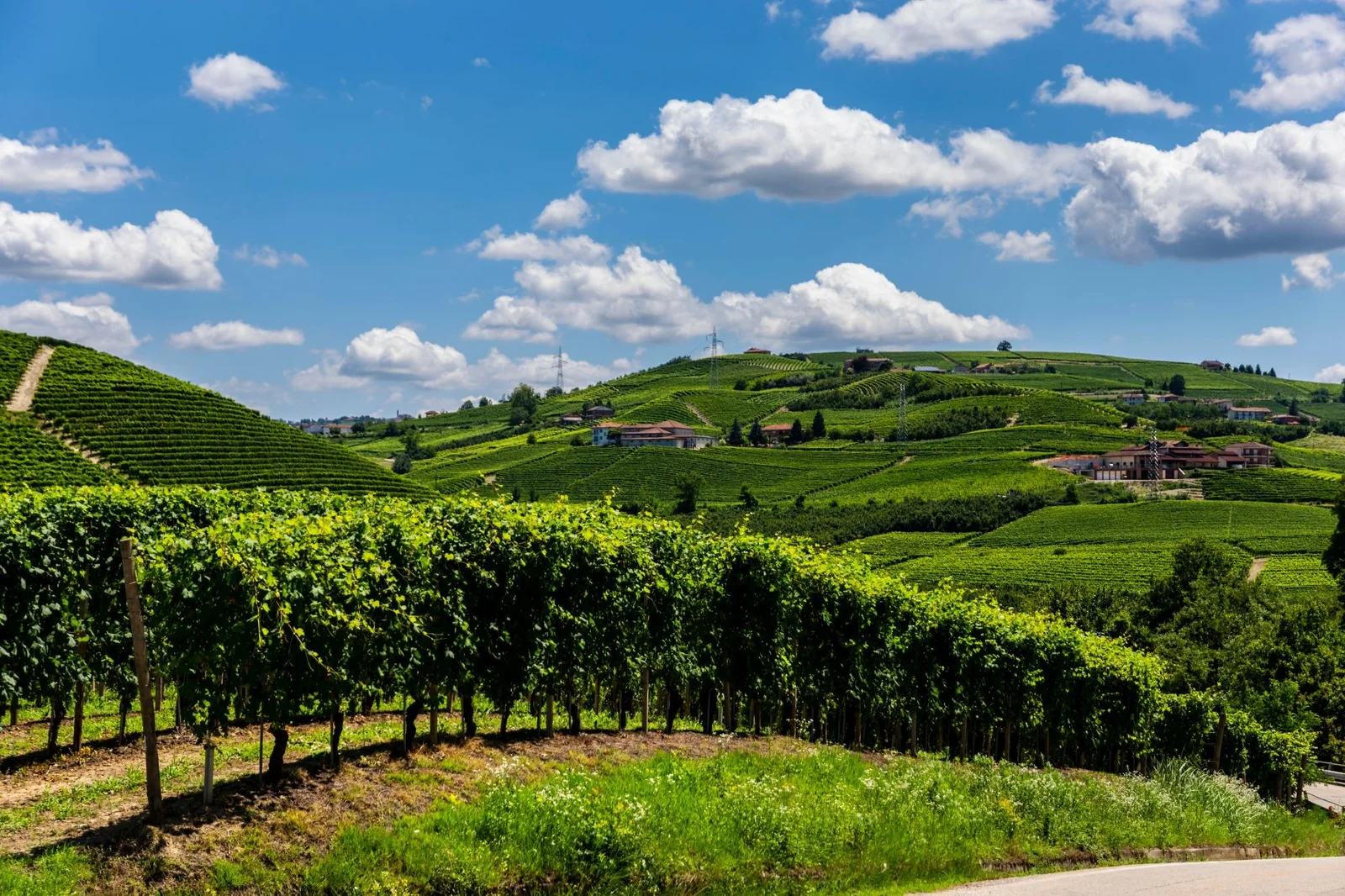
What Is Langhe Barolo Vineyard Property Stock?
Langhe stock is restored cascine and stone rural houses from €650,000 in the UNESCO Nebbiolo hills, on footprints of 120-350 sqm. Seasonal agriturismo returns 4-6% gross. Swiss and German wine tourism supplies the resale depth, which is narrower than Chianti’s but pays comparable prices for the right house.
Tranio and Green-acres seed portfolios list hospitality-ready cascine with terrace panoramas, partial vine rows, and truffle tourism spillover from Alba. Each property carries independent agricultural land category, SCIA hospitality history, and geotechnical exposure that buyers must verify before autumn wine-tourism enquiry peaks.
What Are the Key Facts for Langhe Barolo Stock?
A restored cascina starts at €650,000 on a 120-350 sqm footprint, returning 4-6% gross from seasonal agriturismo. Licensing runs through a CIN and a rural SCIA. Everything sits inside UNESCO landscape vincolo, and hill access here is car-essential in a way Chianti’s is not.
| Factor | Detail |
|---|---|
| Price from | 650,000 EUR |
| Typical living area | 120 to 350 sqm |
| Gross yield band | 4 to 6 percent seasonal |
| Licensing | Agriturismo SCIA plus CIN |
| UNESCO | Langhe vineyard landscape |
| Car required | Yes |
| Compare | Turin Crocetta |
What Should You Know About Location and Area?
Barolo village is 15-25 minutes from Alba’s restaurants and 50-70 minutes from Turin’s employment basin, which makes weekend use practical and commuting impractical. The vineyard panorama is UNESCO-listed, and the autumn truffle fair calendar spills demand across the whole area for about six weeks.
Harvest weekends and Alba white truffle season drive occupancy spikes independent of summer beach tourism. Properties with documented geotechnical clearance and compliant terrace pools outperform cascine marketed with unauthorized pool renders in summer portal photography sessions without commune pre-approval filings.
| Destination | Approximate time |
|---|---|
| Barolo village centro | On site |
| Alba restaurants and services | 15 to 25 min drive |
| La Morra viewpoint | 10 to 20 min |
| Turin centro | 50 to 70 min |
| Turin Caselle airport | 70 to 90 min |
| Milan Malpensa | 2 to 2.5 hours |
Barolo view cascine command 20 to 30 percent per sqm premiums over partial-view stock on comparable 180 sqm stone houses in Langhe comparables. Hill road congestion during October harvest adds 30 to 45 minutes to Turin airport transfers when corporate wine-tour groups share SS452 segments with local vendemmia traffic.
What Should You Know About Design and Units?
Restored stone stock with vineyard glimpses runs €650,000-900,000; premium terrace units €900,000-1,400,000; trophy estates above €1,400,000. Multi-building plots often carry guest-annexe potential, which is where the agriturismo capacity comes from. Visible terrace works take 6-12 months of landscape permit review.
Inventory spans single-building cascine with 3 to 4 bedrooms to compound estates with pool predisposto and agricultural outbuildings marketed for agriturismo conversion. Buyers should treat vine row photography as conditional until land registry confirms viticulture rights and hospitality bed counts on filed SCIA records.
What Should You Know About Investment Case?
Seasonal agriturismo on €680,000-1,100,000 tickets models at 4-6% gross, around 5.5% on a well-managed harvest calendar. October’s truffle season alone carries 35-45% of annual gross, which is a concentration risk stated plainly. Resale takes 18-36 months on this stock.
| Factor | Benchmark |
|---|---|
| Agriturismo gross (managed) | 4 to 6 percent seasonal |
| Model ticket | 680,000 to 1,100,000 EUR |
| Oct truffle season share | 35 to 45 percent of annual gross |
| Management (active ops) | 25 to 35 percent of gross |
| Geotechnical survey | 2,000 to 5,000 EUR before terrace capex |
| Resale liquidity | 18 to 36 months typical |
| Compare urban | Turin Crocetta from 280k |
Model 90 to 110 rentable nights annually on licensed agriturismo rather than calendar-year occupancy claims in agency pro formas. Passive foreign owners without Italian hospitality teams should underwrite 2.5 to 3.5 percent gross lifestyle hold rather than unmanaged STR assumptions copied from urban Italy marketing.
Transaction stack on 700,000 EUR purchase runs 10 to 12 percent including registration tax, notary, geotechnical survey, and rural land consultancy. Agriturismo launch adds 35,000 to 60,000 EUR for compliant kitchen, guest furniture, and CIN registration before first harvest-season guest week.
Non-resident buyers rarely secure Italian mortgage leverage on UNESCO hill cascini because banks underwrite agricultural land and seasonal income slowly. Cash or cross-border mortgage buyers dominate Langhe transactions, which speeds rogito to 90 to 120 days when land registry and SCIA packets are complete pre-compromesso.
A Langhe vineyard is an operating farm with a house attached, and the investment case has to be built on that order rather than the reverse. Premium Nebbiolo rows inside the Barolo and Barbaresco boundaries trade at €250,000-600,000 per hectare, which prices the appellation rather than the soil, and the vines require work every season whether or not the owner is present. Income comes from three streams that behave differently: bottled wine at 10% VAT plus excise, tastings at €15-35 per seated visitor, and agriturismo rooms where the licensing supports them: the combination lifting gross returns 150-250 basis points over bottle sales alone. Against that sit vintage risk, hail and frost mitigation now standard in Piedmont, and financing at 30-50% loan-to-value for non-residents. Underwrite it as a business with real estate underneath.
Who Is This For?
Three buyers. Agriturismo operators who already have an Italian management team, because remote operation here does not work; Swiss weekend holders who accept a 2.5-3.5% blended yield for the address; and portfolio buyers offsetting rural UNESCO illiquidity with urban cash flow in Turin.
- Agriturismo operator: Licensed cascina with harvest and truffle calendar marketing
- Trophy weekend holder: Barolo view cascina with rare executive lease when abroad
- Wine country collector: UNESCO vineyard branding below Chianti per sqm on portal data
- Northwest Italy ladder: Langhe trophy layer above Turin urban yield entry
What Should You Know About Pros and Cons?
In favour: UNESCO vineyard prestige and the Barolo name, which does more marketing work than any photograph. Against: entry from €650,000, total car dependency, geotechnical risk on hill parcels, agriturismo licensing that is genuinely complex, and a void running November to March.
| Factor | Advantage | Trade-off |
|---|---|---|
| Brand | Global Barolo and UNESCO Langhe recognition | Entry from 650,000 EUR |
| Agriturismo | 4 to 6 percent gross with active management | Very high operational overhead |
| Resale pool | Swiss and German wine tourism buyer depth | 18 to 36 month exit on non-compliant stock |
| UNESCO | Vineyard panorama supports trophy pricing | Landscape vincolo delays terrace works |
| Compare | Below Chianti per sqm on portal data | Thinner US buyer enquiry than Tuscany |
| Urban pairing | Turin Crocetta urban yield complement | Car essential on all hill stock |
Pros
- UNESCO Langhe vineyard landscape supports global wine-country branding
- Alba truffle fair and harvest calendar drive shoulder occupancy spikes
- Swiss and German HNWI resale audience depth on compliant cascine
- Barolo village recognition supports trophy pricing on verified view stock
- Pairs with Turin urban yield on diversified Piedmont portfolios
Cons
- Entry tickets from 650,000 EUR compress yield percentages
- Agriturismo requires active Italian management or local operator partners
- Geotechnical and landscape permit delays on terrace and pool projects
- November-March seasonal void without long-term lease pivot
- Agricultural land law review mandatory before hospitality conversion
What Should Foreign Buyers Verify Before Reserving?
Six checks before compromesso on a €650,000-2,000,000 ticket. Land registry categories with a commercialista; a geotechnical survey wherever terrace or pool works are planned; the SCIA and CIN path; wastewater compliance on septic systems; agriturismo capacity limits, which cap the whole business plan; and avvocato review.
| Red flag | What to verify |
|---|---|
| Vine row marketing | Land registry viticulture and hospitality rights |
| Pool render | SCIA and geotechnical clearance before deposit |
| Agriturismo claim | Documented SCIA bed counts and commune capacity |
| Septic gap | Wastewater compliance on licensed hospitality beds |
| STR pro forma | 90 to 110 nights modeled, not calendar occupancy |
| Landscape vincolo | UNESCO buffer zone exterior work restrictions |
- Codice fiscale and notary-led wire path before compromesso on rural stock
- Commercialista review of agricultural land categories before offer
- Order geotechnical survey on terrace, pool, and retaining wall plans
- Confirm CIN and agriturismo SCIA path via Italy holiday let licensing
- Compare cascina tickets against Langhe area guide pricing bands
- Model seasonal void conservatively with commercialista using Italy rental yield guide
- Independent avvocato review of encumbrances per due diligence Italy property
- Follow the sequence in our guide for foreign buyers, adding the land cadastre position on the vineyard parcels to the pre-caparra file.
Insider tip: Track three closed sales in the same Barolo or La Morra micro-district before offer. Portal asking averages often overshoot OMI hill-village reference bands by 8 to 12 percent in spring listing season.
What Is Different About Buying a Vineyard Parcel?
Land classification, not nationality, is what constrains foreign buyers in the Langhe. A €650,000 cascina transfers its residential structure normally, while the attached agricultural parcels follow the land cadastre and require commercialista and avvocato review before an offer is made.
| Element | Treatment |
|---|---|
| Residential structure | Transfers on the ordinary route |
| Agricultural parcels | Land cadastre rules; review before offer |
| Vineyard valuation | Depends on documented harvest history |
| UNESCO landscape | Constrains visible works on hillside plots |
- A perizia without 3 documented harvest seasons is the usual reason a vineyard valuation fails.
- Geotechnical and UNESCO compliance on terrace and pool projects commonly runs €40,000 to €90,000.
- Budget IMU at 0.86% to 1.06% of cadastral value annually on the residential element.
Frequently Asked Questions
It represents restored cascine and vineyard-view rural houses in Barolo and adjacent Langhe comuni from Tranio and Green-acres seed portfolios, typically from about €650,000 for hospitality-ready stone stock with partial vine rows and terrace panoramas.
Barolo village sits in Cuneo province within the UNESCO Langhe vineyard landscape, about 15-25 minutes from Alba and 50-70 minutes from Turin by car depending on traffic and hill road conditions.
Entry restored cascine often start around €650,000-900,000 with vineyard glimpses. Trophy Barolo view estates trade €1M-2M+ before agriturismo licensing capex on portal 2026 aggregates.
Yes for residential structures but agricultural land classifications require commercialista and avvocato review before offer. SCIA, CIN, and rural land law compliance apply to agriturismo conversions beyond standard urban rogito paths.
Licensed agriturismo on well-operated cascine may reach 4-6% gross seasonal with active Italian management. Passive foreign owners without hospitality teams should underwrite long-term lease or lifestyle hold rather than unmanaged STR assumptions.
Langhe Barolo branding often trades below comparable Chianti per sqm on portal data while delivering UNESCO vineyard prestige. Chianti wins on longer US buyer enquiry depth. Both require agriturismo licensing discipline and geotechnical diligence on hillside stock.
Read Also:
- Piedmont property investment guide
- Langhe area guide
- Alba area guide
- Italy holiday let licensing
- Due diligence Italy property
- Buy property Italy foreigner
A vineyard parcel is an agricultural asset wrapped in real estate, and three things separate it from buying a house with a view. First, land law: a raw fondo rustico transfer triggers pre-emption notification to neighbouring farmers under Law 161/2014, and non-EU buyers without coltivatore diretto status face additional constraints, which is why most foreign purchases run through the built estate rather than the bare land. Second, appellation: planted rows inside a Barolo or Barbaresco boundary carry yield limits per hectare and consorzio compliance that travel with the title, and premium Nebbiolo rows trade at €250,000-600,000 per hectare on that basis. Third, operation: vines require work every year whether or not the owner is present. Establish all three with a geometra and an agricultural avvocato before an offer rather than after.
Get an Italy property shortlist
Tell us your budget and region (Tuscany, Lake Como, Puglia, Milan, Sardinia). We reply within one business day with options matched to your goals.