
Italy Property for French Buyers: Complete 2026 Guide
French EU buyers in Italy: no reciprocity, codice fiscale via consulate, same euro, IFI vs IMU, Liguria, Tuscany, Puglia, French bank mortgages.
By Italian Estate Editorial · Updated June 26, 2026 · 14 min read
Quick answer: French EU citizens buy Italian property without reciprocity checks or ownership restrictions. Demand concentrates in Provence-adjacent Liguria, Tuscany, and Puglia, where Riviera familiarity, wine-country prestige, and yield-focused coastal stock support resale liquidity. Both countries use the euro, so purchase price carries no sterling-style FX risk. Budget 10-15% closing costs on second homes, model French IFI and revenus fonciers alongside Italian IMU and cedolare secca, expect 55-60% LTV if financing through Italian or Franco-Italian banks, and use EU Schengen freedom of movement for unlimited inspection trips without visa planning.
For the nationality hub see Italy property by nationality guide. For France versus Italy yield and tax framing see Italy vs France property investment. Regional depth sits in our Liguria, Tuscany, and Puglia investment guides.
French EU citizens buying Italian property in 2026 typically budget 380,000 to 450,000 EUR all-in for Liguria, Tuscany, or Puglia second homes, with closing costs near 10 to 15 percent on registration tax at 9 percent of cadastral value. Italian banks lend French non-residents 55 to 60 percent loan-to-value when two years of avis d’impôt arrive with sworn Italian translation. Convention fiscale France-Italie generally credits Italian cedolare secca at 21 or 26 percent against French revenus fonciers, while IFI may apply above 1.3 million EUR net real-estate wealth. Paris, Nice, and Lyon consulates issue codice fiscale same-day with appointment before compromesso. EU passport holders skip MAECI reciprocity entirely, saving 1 to 3 weeks versus third-country buyer files. Treat broker closing percentages as a checklist item, not a tax substitute.
Liguria border towns such as Bordighera and Sanremo trade 3,500 to 8,000 EUR per square metre with 3 to 5 percent gross yields, Tuscany countryside casali run 1,500 to 3,500 EUR per square metre, and Puglia averages near 1,422 EUR with 5 to 8 percent gross on managed short-term rental corridors. French buyers skip MAECI reciprocity entirely as EU citizens, shortening rogito prep by 1 to 3 weeks versus non-EU files. Typical cash timelines run 60 to 90 days from compromesso to rogito; financed French files need 90 to 120 days when Intesa, UniCredit, or Crédit Agricole Italia underwrites income verified in France. Ventimiglia listings marketed to French buyers still require visura-based registration tax modeling, not broker percentage guesses alone, before compromesso deposits leave French bank accounts. Compare IFI exposure before trophy Riviera purchases above 1.3 million EUR net wealth.
Why do French buyers have a legal advantage when purchasing Italy property?
French EU citizenship means Italian property purchases skip MAECI reciprocity entirely in 2026, close in 60 to 120 days, and carry 10 to 15 percent closing stacks with 9 percent registration tax on typical second homes funded from euro accounts in France without FX mismatch on list price for foreign buyers.
| EU French buyer edge | Typical timing | Non-EU contrast |
|---|---|---|
| Reciprocity | Not required | MAECI notaio check |
| Codice fiscale | Same-day consulate slot | Extra embassy steps |
| Currency | Euro asset and loan | FX on every tranche |
| Schengen | No 90/180 cap | Tourist stay limits |
- Skip reciprocity letters and buy on Italian-resident deed footing
- Deploy euro savings without sterling-style FX on list price
- Run a French buyer scenario checklist before Riviera offers
That procedural simplicity matters in practice. French transactions close faster because document stacks are shorter: valid passport or carte d’identité, codice fiscale, proof of funds or mortgage approval, and standard due diligence. No residence permit translation chain. No embassy reciprocity letters. No corporate wrapper to bypass ownership limits.
Schengen membership adds operational freedom that British buyers lost after Brexit. A French buyer can inspect apartments in Bordighera on Tuesday, sign compromesso in Lucca on Thursday, and return to Paris by TGV without immigration planning. EU free movement means ownership does not create a 90/180-day tourist cap. You may stay in Italy beyond three months only if you register as resident at the comune anagrafe, but short inspection and holiday stays face no Schengen quota for EU passport holders.
French buyers also share the euro with Italy. Purchase price, mortgage debt, IMU, and cedolare secca are all euro-denominated. Unlike UK buyers who model sterling-euro timing on every deposit tranche, French households deploy liquid euro savings or French euro mortgages without currency mismatch on the asset itself. Cross-border cash flow still requires planning when rental income lands in an Italian account and French impôt declarations follow, but the headline acquisition price does not move with FX markets.
French families represent meaningful volume in the Italian market. Gate-away and Scenari/Nomisma data place French buyers among the top five foreign nationalities by transaction count, concentrated on the western Riviera spillover, Tuscan countryside, and southern yield corridors. Average French ticket size sits near €380,000 to €450,000 according to Italian Estate enquiry data, below US luxury averages but aligned with German and Dutch second-home cohorts. That volume creates agent familiarity, French-speaking notaries in border towns, and mortgage desks that process avis d’impôt and bulletins de salaire routinely.
The typical French buyer profile on italian-estate.com enquiries: employed cadre or business owner aged 45-68, household income above €100,000, seeking a second home with four to ten weeks annual personal use and optional short-term rental during peak season. Lifestyle return and euro real-asset diversification rank above yield maximisation, though Puglia and inland Tuscany attract yield-aware buyers from Île-de-France and PACA who cross-shop against compressed Côte d’Azur returns.
Which Italian regions do French buyers target most?
French region targeting means prioritizing Liguria within 30 to 60 minutes of Nice at 3,500 to 8,000 EUR per square metre, Tuscany countryside at 1,500 to 3,500 EUR, or Puglia near 1,422 EUR with 5 to 8 percent gross yields before 2026 compromesso deposits leave PACA or Île-de-France accounts.
French capital does not scatter evenly across Italy. Three corridors absorb most transactions: Liguria (especially the French-border Riviera), Tuscany, and Puglia. Each offers a distinct combination of accessibility from PACA and Île-de-France, cultural familiarity, and resale liquidity to other French and EU families.
- Liguria: drive-to coast from Nice, 3 to 5 percent gross typical
- Tuscany: wine-country legacy, 4 to 6 percent gross countryside
- Puglia: yield focus, verify CIN transferability before STR plans
- Compare IFI above 1.3 million EUR net wealth before trophy coast buys
Use this regional buyer scenario checklist when PACA families cross-shop Liguria against Côte d’Azur tickets above 8,000 EUR per square metre.
Liguria: the Provence-adjacent Riviera alternative
Liguria is the natural first stop for French buyers who know Menton, Nice, and Cannes pricing but want Italian entry without Côte d’Azur compression. Bordighera, Ventimiglia, Sanremo, and Imperia sit within 30 to 60 minutes of Nice by car or TER rail. Prime coastal stock trades €3,500-8,000/m² with gross yields of 3-5%, against €8,000-15,000/m² on comparable French Riviera addresses at 2.5-3.5% gross.
French buyer share in western Liguria exceeds national averages. Agents report Parisian and PACA families as a dominant foreign cohort in Sanremo and Bordighera transactions. Resale liquidity to French speakers is the region’s hidden advantage: when you exit, your buyer pool understands cross-border notary mechanics and TER access to Nice airport.
Geotechnical diligence on cliffside stock is non-negotiable. Our Liguria property investment guide covers landslide risk, CIN rules, and Portofino versus Sanremo pricing tiers. For a direct France comparison see Italy vs France property investment.
Tuscany: wine country and generational holds
Tuscany captures lifestyle buyers who want cypress-lined views, Chianti proximity, and Florence cultural access. French families often purchase semi-restored farmhouses in Chianti, Val d’Orcia, and Maremma at €1,500-3,500/m², investing €80,000-€200,000 in renovation to meet modern energy standards.
Florence asking prices reached €4,737/m² in April 2026 (Immobiliare.it), compressing yields to 3-4.5% gross on city apartments. French buyers here prioritise heritage and liquidity over income. See our full Tuscany property investment guide for sub-region yield tables and UNESCO short-term rental restrictions.
Puglia: yield focus from yield-compressed France
Puglia attracts French investors who accept longer travel times in exchange for entry prices and gross yields unavailable on the Riviera. Regional averages near €1,422/m² and managed short-term rental corridors delivering 5-8% gross draw yield-aware buyers from Paris and Lyon who already own or rejected Côte d’Azur stock.
Ostuni, Polignano a Mare, and Lecce baroque centres combine tourism demand with lower absolute tickets. French buyers should verify CIN transferability and condominium STR rules before assuming Airbnb-style income. Our Puglia property investment guide details trulli renovation costs and seasonal occupancy curves.
Regional comparison for French buyers
| Region | Price/m² (indicative) | Gross yield | French buyer strength | Access from Nice / Paris | Best use case |
|---|---|---|---|---|---|
| Liguria (Bordighera / Sanremo) | €3,500-8,000 | 3-5% | Very high (border familiarity) | 30-60 min from Nice | Riviera second home, drive-to coast |
| Tuscany (Chianti / Maremma) | €1,500-3,500 | 4-6% | High | Flight to Florence 1h 30m from Paris | Renovation, wine-country lifestyle |
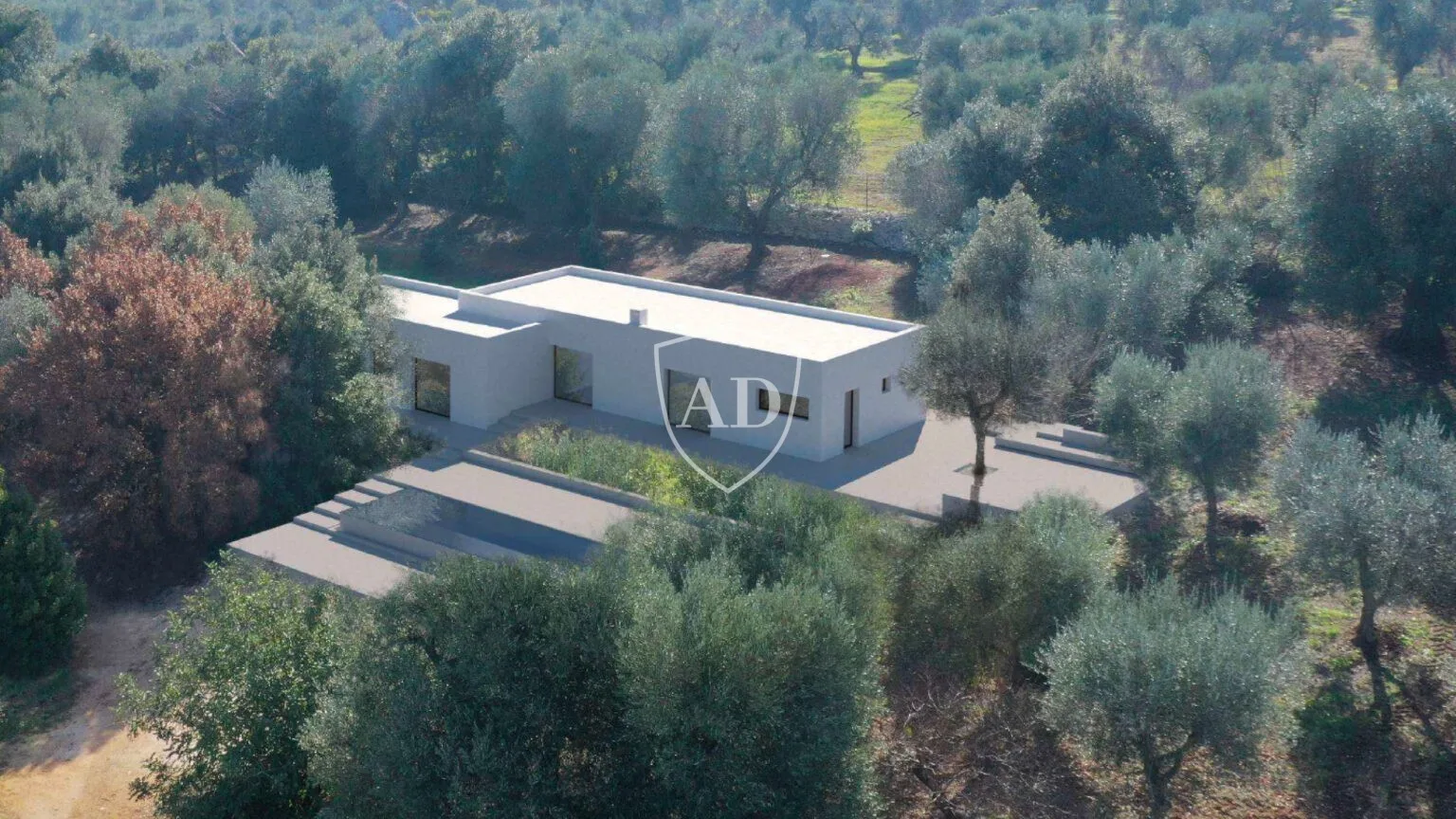
| Puglia (Ostuni / Lecce) | €1,200-2,800 | 5-8% | Rising | Flight to Bari or Brindisi 1h 45m | Yield-focused STR or long-term let |
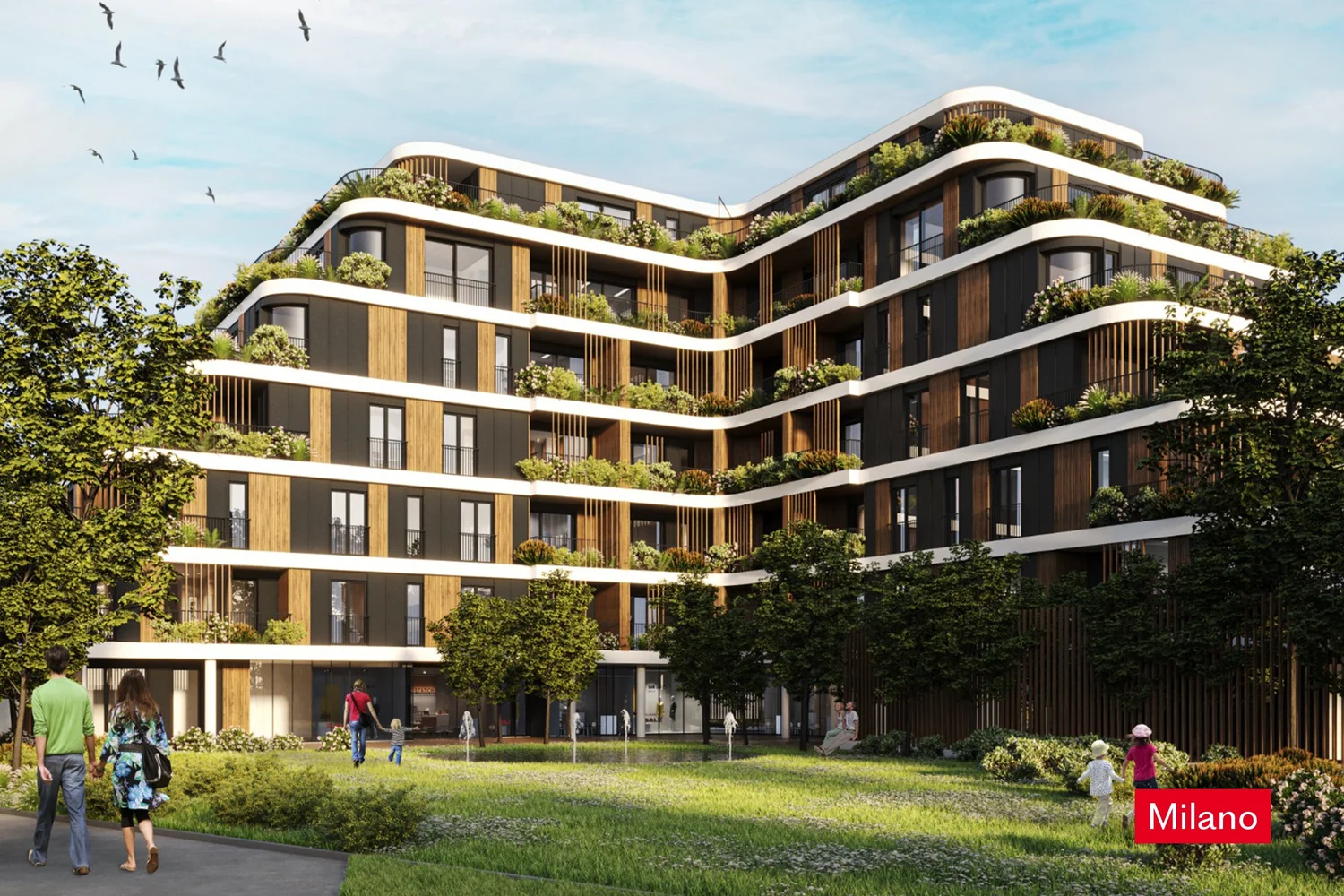
| Milan (comparison) | €5,653 avg city | 3-4% | Medium | TGV / flight 1h 15m | City pied-à-terre, professional tenant base |
How does the Italian purchase process work for French EU citizens?
The French purchase process means five numbered steps from codice fiscale through rogito in 60 to 120 days, with zero reciprocity delay, 9 percent registration tax on typical second homes, and 10 to 20 percent compromesso deposits wired from French euro accounts in 2026 for foreign buyers under standard notaio timelines.
- Step 1: Codice fiscale at Paris, Nice, Lyon, or Strasbourg consulate
- Step 2: Proposta and compromesso with 10 to 20 percent deposit
- Step 3: Geometra plus independent avvocato due diligence
- Step 4: Rogito and registration tax payment at notaio
- Step 5: IMU, utilities, CIN if renting, commercialista setup
French EU citizens buy Italian property without reciprocity checks or ownership restrictions. The transaction sequence is identical to Italian domestic buyers. No additional ministry approvals apply to French nationals.
| Step | Timing | French buyer note |
|---|---|---|
| Codice fiscale | 1 day with consulate slot | Paris, Nice, Lyon |
| Compromesso to rogito | 60 to 90 days cash | 10 to 20 percent deposit |
| Financed track | 90 to 120 days | 55 to 60 percent LTV typical |
Step 1, Codice fiscale: Obtain your Italian tax identification number before any offer or mortgage application. Apply at the Italian consulate in Paris, Lyon, Marseille, Nice, or Strasbourg using form AA4/8, or in person at Agenzia delle Entrate if you are already in Italy. Processing is usually same-day with appointment. Full detail in our codice fiscale guide.
Step 2, Offer and compromesso: Submit a written proposta d’acquisto, then sign the preliminary contract (compromesso) with a 10-20% deposit. Insert suspensive conditions for mortgage approval and satisfactory due diligence. Our compromesso guide explains deposit forfeiture rules and transcription options.
Step 3, Due diligence: Engage a geometra for cadastral compliance, an independent avocat or avvocato (not the seller’s agent), and verify IMU arrears, condominium debts, and building permits. French buyers should not skip structural surveys on pre-1980 rural stock. Follow the checklist in due diligence for Italian property.
Step 4, Rogito: The notaio executes the final deed, collects registration tax, registers ownership, and records any mortgage ipoteca. Timeline from compromesso to rogito typically runs 60-90 days for cash buyers, 90-120 days with financing.
Step 5, Post-closing compliance: Register utilities, pay IMU annually on second homes, obtain CIN before listing for short-term rental, and appoint a commercialista for Italian tax filings on rental income.
French buyers often grant a notarized power of attorney (procura speciale) to a trusted representative in Italy to sign documents when they cannot attend rogito in person. The POA must be notarized in France and apostilled under Hague Convention rules where required.
What tax rules should French buyers understand before purchasing?
French-Italian tax overlap means 9 percent Italian registration on second homes, IMU near 0.4 to 0.76 percent annually, cedolare secca at 21 or 26 percent on rents, and IFI from 0.5 to 1.5 percent above 1.3 million EUR net wealth in France for 2026 filers using Convention fiscale credits.
Tax planning crosses two jurisdictions.
- Model 9 percent imposta di registro from visura catastale, not broker guesses
- Stack IMU near 0.4 to 0.76 percent with French IFI on same asset
- Credit Italian 21 or 26 percent cedolare against revenus fonciers via treaty
- Run the French-Italian tax planning checklist with a fiscaliste before offer Italy taxes the property and income generated there. France taxes worldwide income and certain wealth thresholds for tax residents, with treaty relief for double taxation. This section is informational, not personal tax advice. Engage a fiscaliste with Italy experience before signing.
Purchase taxes: second home default for most French buyers
Most French buyers acquire second homes (seconda casa) because they do not register Italian residency within 18 months. That triggers 9% registration tax on cadastral value for private-seller purchases, plus notary and agency costs. Prima casa at 2% registration tax requires anagrafe residency and is rarely compatible with keeping tax residence in France unless you relocate fully.
Compare regimes in our Italy prima casa vs second home tax guide. Luxury cadastral categories A/1, A/8, and A/9 are excluded from prima casa benefits regardless of residency.
Annual ownership: IMU and local levies in Italy
Second homes pay IMU municipal property tax annually, typically 0.4-0.76% of cadastral value depending on comune and property class. TARI waste tax and condominium spese add €2,000-€8,000 yearly on coastal apartments. IMU is not identical to French taxe foncière but serves a similar local-property charge function. See IMU property tax Italy for cadastral versus market price interactions.
French tax residents with net taxable real-estate wealth above €1.3 million may also owe IFI (Impôt sur la Fortune Immobilière) on worldwide property, including Italian holdings, at sliding rates from 0.5% to 1.5%. IFI applies to net value after deductible debt. Italian IMU does not eliminate IFI exposure in France. Model both before trophy coastal purchases.
Rental income taxation in Italy
Long-term residential leases: cedolare secca flat tax at 21% for qualifying contracts. Short-term rentals: 26% cedolare secca for non-residents on affitti brevi income unless you elect ordinary IRPEF reporting. Platform data reporting to Agenzia delle Entrate intensified in 2024-2025. Full STR compliance in short-term rental rules Italy.
France-Italy double taxation convention
France and Italy signed a double taxation agreement (Convention fiscale entre la France et l’Italie, 5 October 1989, updated by subsequent protocols). The practical effect for property investors:
- Rental income: Generally taxable in Italy where the property sits. France typically credits Italian tax paid against French impôt sur le revenu liability on revenus fonciers for French tax residents, avoiding full double charge subject to progression clause nuances.
- Capital gains: Italy imposes 26% IRPEF on gains from property sold within five years of purchase (with exemptions for habitual private residence). France may tax plus-values immobilières on worldwide property for residents under its own holding-period rules. Coordinate timing with your fiscaliste.
- Inheritance and gift tax: Italy applies regional inheritance tax with spouse and child exemptions on primary residence. Cross-border succession requires French droits de succession coordination. Our Italy inheritance law for foreigners covers baseline rules.
French tax residents must declare Italian property on Form 2042 line 4BI (revenus fonciers) when renting, and report foreign accounts (compte 3916) where applicable. Failure to declare foreign rental income carries penalty risk in France independent of Italian compliance.
Tax comparison table for typical French second-home buyer
| Tax item | Italy (second home, non-resident) | France (tax resident) | Treaty note |
|---|---|---|---|
| Purchase registration tax | 9% on cadastral value | Not applicable | N/A |
| Annual IMU | 0.4-0.76% cadastral value | Not directly taxed as IMU | N/A |
| IFI wealth tax | Not applicable in Italy | 0.5-1.5% on net RE above €1.3M | Italian property included in IFI base |
| Long-term rental income | 21% cedolare secca | Revenus fonciers declared | Credit d’impôt typical |
| Short-term rental income | 26% cedolare secca | Revenus fonciers / BIC depending on structure | Credit d’impôt typical |
| Capital gains (under 5-year hold) | 26% IRPEF on gain | Possible French plus-values | Credit mechanism applies |
For a side-by-side market and tax architecture view see Italy vs France property investment.
Can French buyers obtain mortgage financing for Italian property?
French mortgage access typically means 55 to 60 percent loan-to-value from Italian or Franco-Italian banks, fixed rates near 3.2 to 3.8 percent in 2026, and six to ten weeks approval once two avis d’impôt years plus codice fiscale reach the underwriting desk in Paris or Nice consular districts.
| Lender type | Typical LTV | Rate band 2026 |
|---|---|---|
| Intesa or UniCredit | 55 to 60 percent | 3.2 to 3.8 percent fixed |
| Crédit Agricole Italia | 55 to 60 percent | Franco-Italian file |
| French hypothèque cash-out | 100 percent cash buy | French rate separate |
- Insert mortgage suspensive clause before 10 to 20 percent deposit
- Order perizia early; low valuation breaks LTV math
- Use buyer scenario checklist when mixing French and Italian bank paths
Yes. French non-residents access Italian mutuo ipotecario products and, alternatively, France-secured financing against existing assets.
Italian bank mortgages
EU citizenship and shared euro currency give French applicants a documentation advantage. Banks typically offer 55-60% LTV against the lower of purchase price or bank valuation, with fixed rates near 3.2-3.8% and variable Euribor-linked rates near 3.0-3.5% in mid-2026.
Active lenders for French buyers:
- Intesa Sanpaolo and UniCredit: International buyer desks; standard for Tuscany, Liguria, and Lombardy stock.
- BNL and Banco BPM: Competitive for EU applicants in central Italy corridors.
- Crédit Agricole Italia and BNP Paribas: Franco-Italian workflows; strong in northern Italy and Riviera markets where French enquiry volume justifies specialised underwriting.
Required documents: two to three years avis d’impôt, three to six months relevés bancaires, employment contract or extrait Kbis for self-employed buyers, sworn Italian translations, codice fiscale, and bank-ordered perizia valuation. Allow six to ten weeks for approval plus three to four months total to rogito. Full mechanics in non-resident mortgage Italy.
France-based alternatives
Some French buyers prefer:
- Prêt hypothécaire against French property at French rates, then cash purchase in Italy (fastest closing, strongest negotiation position).
- BNP Paribas or Crédit Agricole cross-border desks where Italian collateral is accepted (availability varies by branch and property location).
- Cash purchase, which remains common among French buyers deploying patrimoine diversification without income matched in Italy.
Model financing before offer. Italian bank valuation below agreed price reduces lendable amount and can collapse a deal if your compromesso lacks a mortgage suspensive clause.
What rental strategies suit French owners of Italian second homes?
French rental strategy means choosing long-term furnished leases at 21 percent cedolare secca, short-term lets at 26 percent with CIN registration, or personal-use only with IMU near 0.4 to 0.76 percent and zero platform compliance overhead for 2026 owners from France who rent four to ten weeks personally.
- Long-term: target 3 to 4.5 percent gross in Liguria or Tuscany periphery
- STR: budget 26 percent cedolare plus CIN and SCIA paths in Puglia
- Personal use: pay IMU only; zero guest registration admin
Strategy choice depends on region, condominium rules, and your tolerance for Italian compliance admin. French buyers typically use properties four to ten weeks annually and rent the balance.
| Strategy | Gross yield band | Compliance load |
|---|---|---|
| Long-term furnished | 3 to 4.5 percent | Moderate |
| Short-term holiday | 5 to 8 percent Puglia | CIN plus SCIA paths |
| Personal use only | 0 percent rent | IMU only |
Long-term furnished rental: Lower gross yield (3-4.5% in Tuscany and Liguria) but stable tenant base and 21% cedolare on qualifying contracts. Works in Sanremo, Florence periphery, and Lecce urban stock.
Short-term holiday let: Higher gross potential (5-8% in permitted Puglia zones) but requires CIN registration, municipal SCIA where applicable, 26% non-resident cedolare, cleaning logistics, and seasonal vacancy outside peak months. Liguria STR peaks July-August; Puglia extends into September and October.
Personal-use only: Zero compliance overhead beyond IMU and condominium fees. Suits buyers who reject platform management and tenant access to their holiday home.
French owners cannot rely on French meublé de tourisme law instincts alone. Italy’s national CIN mandate and comune-level caps override platform defaults. Verify CIN transferability at purchase. Condominium regolamento banning tourist use kills STR plans regardless of municipal permissiveness.
Yield benchmarking across regions appears in our Italy rental yield guide. For Airbnb-specific mechanics see Airbnb investment Italy guide.
Insider tip from our French-buyer transaction files: sellers in Bordighera and Sanremo often market “Riviera view” apartments whose cadastral category triggers higher IMU and excludes prima casa forever, even if you later relocate to Italy. Verify categoria catastale and rendita before offer, not at rogito.
Which buyer scenarios fit French Liguria, Tuscany, and Puglia budgets?
French buyer scenarios typically map PACA families to Liguria at 420,000 EUR, Paris cadres to Tuscany near 580,000 EUR, and Lyon yield investors to Puglia near 290,000 EUR with distinct hold periods and compliance paths before 2026 compromesso season opens on French euro deposits for foreign buyers.
- Scenario 1: Bordighera legacy hold 15 plus years near 420,000 EUR
- Scenario 2: Chianti renovation near 580,000 EUR with five peak STR weeks
- Scenario 3: Ostuni yield near 290,000 EUR with mandatory CIN transfer
- Run the French buyer scenario checklist on each profile before offer
Match region, budget, and hold period to outcomes French buyers actually achieve, not generic “buy Italy” marketing.
Scenario 1: PACA family (€420,000, 15+ year hold)
Profile: Nice-adjacent couple, two children, eight weeks summer use, wants drive-to coast from France.
Optimal strategy: Purchase three-bedroom apartment in Bordighera or Sanremo at €4,500/m² effective. Budget €400,000 plus €45,000 closing. Long-term furnished lease ten months at €1,400 monthly when not in residence yields €14,000 gross, roughly 3.2% before IMU and 21% cedolare. Hold for generational use; exit to French or Italian Riviera buyer pool.
Decision rule: Prioritise energy Class C or better and parking. Demand geotechnical report on cliffside foundations.
Scenario 2: Parisian professional (€580,000, 7-10 year hold)
Profile: Single cadre, Tuscany lifestyle priority, accepts renovation timeline, occasional STR.
Optimal strategy: Buy semi-restored casale in Chianti Classico at €2,200/m² on 180m² footprint. Total deploy €580,000 including €110,000 renovation reserve. STR five weeks peak season at €210 nightly after CIN setup generates €7,350 gross supplemental. Target 4-5% gross blended over hold.
Decision rule: Only proceed with clear geometra report on roof, septic, and Soprintendenza constraints.
Scenario 3: Lyon investor (€290,000, 5-8 year hold)
Profile: Yield-aware, comfortable with Bari flights, targets STR income.
Optimal strategy: Acquire two-bedroom trullo or masseria conversion near Ostuni at €2,000/m². All-in €290,000 plus €35,000 costs. Model STR at 50% annual occupancy, €120 nightly average, gross €21,900 before 26% cedolare and management. Net near 5% after costs.
Decision rule: Never buy without transferable CIN and written condominium STR permission.
Decision matrix
| Priority | Best region for French buyers | Avoid |
|---|---|---|
| Drive from Nice / Monaco | Liguria Bordighera / Sanremo | Deep Calabria interior |
| Wine-country legacy asset | Tuscany Chianti | Florence UNESCO STR-blocked centro |
| Maximum gross yield | Puglia Ostuni / Lecce | Portofino trophy at under 3% gross |
| Euro gateway city break | Milan Navigli corridor | Milan Brera trophy at 2.5% gross |
| Cross-border daily life | Ventimiglia / Bordighera | Isolated inland Molise |
What due diligence should French buyers complete before compromesso?
French due diligence requires seven non-negotiable checks on visura catastale, APE class, condominium clearance, IMU arrears, geometra report, CIN status, and mortgage suspensive clauses before any 10 to 20 percent deposit wires leave France for Italian notaio escrow in 2026 for foreign buyers using the French due diligence checklist below.
Independent avvocato review typically costs 1,500 to 3,500 EUR and surfaces visura mismatches that add 9 percent registration tax surprises above 15,000 EUR on a 420,000 EUR Liguria flat when cadastral rooms differ from listing floor plans.
| Check | Pass criteria | Red flag if missing |
|---|---|---|
| Visura catastale | Rooms match layout | Abusi risk |
| APE certificate | Class D or better target | Class G mandate |
| Condominium | STR allowed if planned | Tourist ban in regolamento |
| IMU arrears | Zero transfer to buyer | Comune debt follows deed |
| Geometra | Liguria slope or Tuscan ruin | Hidden structural cost |
| CIN / SCIA | Transferable for STR intent | Income plan collapses |
| Mortgage clause | LTV and rate caps | Deposit at risk if bank fails |
French buyers bring high compliance expectations from French compromis de vente practice. Italian due diligence differs: notaio verifies title at rogito but does not substitute for buyer-side technical surveys.
Non-negotiable checks:
- Visura catastale: room count matches physical layout; planimetria conformità or estimate cost to rectify.
- APE energy certificate: Class G properties face renovation mandates; French buyers often walk away below Class D without price reduction.
- Condominium clearance: no outstanding spese, STR permitted if planned.
- IMU and TARI arrears: attach to property, not seller personally.
- Geometra report: essential in Liguria slopes and Tuscan ruin conversions.
- CIN and SCIA status: for any STR-intended purchase.
- Mortgage suspensive clause: if financing-dependent; specify maximum rate and LTV binding conditions.
Engage a bilingual lawyer independent of the selling agent. Closing cost line items are modelled in cost of buying property in Italy.
MORE Group underwriting snapshot
Italian Estate by MORE Group (Q2 2026): French buyer enquiries rank in the top five foreign nationalities on italian-estate.com, skewed to Liguria border towns (35% of French leads), Tuscany countryside (40%), and Puglia yield corridors (25%). Median French budget €380,000-€450,000 all-in. Typical closing 10-15% on second homes. French EU passport removes reciprocity friction; codice fiscale via Paris or Nice consulate remains the most common pre-offer delay (1-2 weeks with appointment). Cross-border fiscal planning (IFI plus IMU plus cedolare) is the top post-rogit advisory referral.
Insider tip: Ventimiglia and Bordighera listings marketed to French buyers sometimes omit Italian registration tax base (rendita catastale) that sits far below asking price but still triggers 9% imposta di registro on cadastral value, not market price. Model registration tax from visura catastale, not from broker percentage estimates alone.
How does this guide connect to regional research?
Regional research means following eight French-specific Liguria, Tuscany, and Puglia pillars after this nationality overview, covering 55 to 60 percent LTV, 21 to 26 percent cedolare, and 9 percent registration tax modeling before 2026 compromesso deposits leave French bank accounts for foreign buyers planning Riviera or Puglia tickets under notaio practice.
| Follow-up guide | French buyer use |
|---|---|
| Italy vs France compare | IFI and Riviera yield |
| Liguria investment | Border geotechnical diligence |
| Non-resident mortgage | 55 to 60 percent LTV docs |
| Short-term rental rules | 26 percent cedolare STR |
- Open regional guide before 10 to 20 percent compromesso deposit
- Cross-check 9 percent registration from visura catastale
- Stack buyer scenario checklist with nationality hub links
French buyers rarely need one national article. They need region-specific numbers before compromesso. Continue with:
- Italy property by nationality guide, EU versus non-EU buyer hub
- Italy vs France property investment, yield, IFI, and Riviera pricing comparison
- Buy property in Italy as a foreigner, EU legal framework
- Liguria property investment guide, Riviera pricing and landslide diligence
- Tuscany property investment guide, Chianti, Florence, Maremma yields
- Puglia property investment guide, trulli, STR, and entry pricing
- Non-resident mortgage Italy, LTV, rates, and document lists
- Short-term rental rules Italy, CIN, SCIA, and tax rates
Ready to compare Italian regions with numbers pre-modeled to your French income and hold period? Get a curated shortlist of Italian investment properties matched to your budget, financing profile, and STR or personal-use plan, with due diligence flags on APE class, CIN status, and condominium restrictions before you commit deposit.
Frequently Asked Questions
Yes. As EU citizens, French nationals purchase Italian residential property on identical terms to Italian buyers. No reciprocity check, no residence permit, and no special ownership licence is required. You need a codice fiscale, a notary-led rogito, and standard closing costs of 10-15% on second homes.
No. Reciprocity rules under Article 16 of the Italian Civil Code apply only to non-EU buyers. French EU citizens skip MAECI reciprocity verification entirely. Your notaio processes the rogito on the same legal footing as an Italian resident purchaser.
Apply at an Italian consulate in France (Paris, Lyon, Marseille, Nice, or Strasbourg) using form AA4/8 with passport and proof of address, or in person at Agenzia delle Entrate if already in Italy. Processing is usually same-day at consulates with appointments. The codice fiscale is free and mandatory before compromesso or rogito.
Liguria (especially Bordighera, Sanremo, and Ventimiglia near the French border), Tuscany, and Puglia lead French buyer demand. Liguria offers Riviera lifestyle minutes from Nice at lower entry than the Côte d'Azur. Tuscany delivers wine-country prestige. Puglia captures yield-focused French buyers at regional averages near €1,422/m² with 5-8% gross yields.
France and Italy maintain a double taxation convention (Convention fiscale France-Italie). Italian rental income is taxed first in Italy under cedolare secca (21% long-term, 26% short-term for non-residents) or ordinary IRPEF rules. France generally grants a credit d'impôt for Italian tax already paid on revenus fonciers, subject to your personal tax position. Confirm with a cross-border fiscaliste before filing.
Yes. Italian banks including Intesa Sanpaolo, UniCredit, and BNL, plus Crédit Agricole Italia and BNP Paribas branches, offer mutuo ipotecario loans to French non-residents, typically at 55-60% LTV with income verified in France. EU citizenship and shared euro currency simplify SEPA documentation. Budget three to four months from mortgage application to rogito.
No special visa is required. French EU citizens move freely within the Schengen area without the 90/180-day cap that applies to UK or US passport holders. Stays beyond three months in Italy require anagrafe registration as a resident, but ownership itself does not trigger immigration limits for EU nationals.
Second-home buyers should budget 10-15% above the agreed purchase price. Registration tax at 9% of cadastral value is the largest line item. Add notary fees (1-2%), agent commission (3-5%), survey costs, and energy certification. Prima casa at 2% registration tax requires Italian residency registration within 18 months, which most French holiday-home buyers do not pursue.
Last Updated: 26 June 2026 | Data sources: Scenari/Nomisma Italian Property Report 2025, Immobiliare.it regional indices (June 2026), Agenzia delle Entrate cedolare secca rates, Convention fiscale France-Italie (French Ministry of Economy), Gate-away international buyer data, Italian Estate French buyer enquiry research
Get an Italy property shortlist
Tell us your budget and region (Tuscany, Lake Como, Puglia, Milan, Sardinia). We reply within one business day with options matched to your goals.