
Italy Property for UK Buyers Guide 2026 Tax and Residency
Buying property in Italy from the UK: post-Brexit reciprocity, 90/180 Schengen, codice fiscale, sterling-euro FX and tax. Free Italy shortlist.
By Italian Estate Editorial · Updated June 26, 2026 · 14 min read
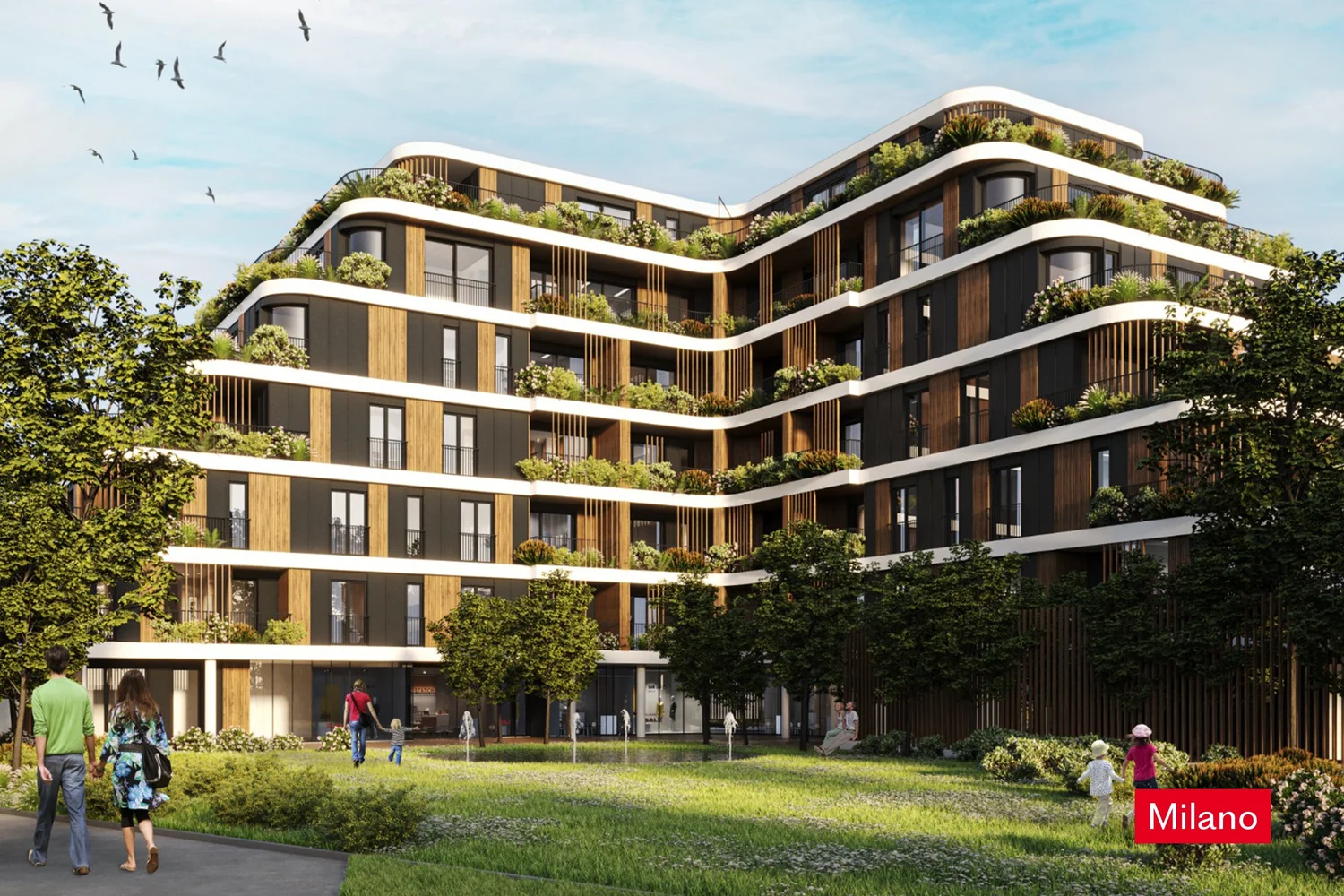
Buying Property in Italy from the UK: 2026 Guide
Quick answer: British buyers can legally purchase Italian property after Brexit. The United Kingdom is a third-country Schengen state, but Italy preserved full property reciprocity, so UK nationals buy freehold homes without Italian residency. You need a codice fiscale, a notaio-led rogito, and typically 10-15% closing costs on second homes. Sterling-euro timing, the 90/180 Schengen stay cap, and UK-Italy tax overlap matter as much as region choice.
For the general foreign-buyer framework see buy property in Italy as a foreigner. For passport comparison across EU and non-EU buyers see Italy property by nationality hub. For reciprocity law detail see Italy reciprocity rule for foreign buyers.
MORE Group tracked 412 post-Brexit UK buyer enquiries in Q2 2026 with median ticket €385,000 in Puglia and Tuscany lifestyle bands and €520,000 in Milan corporate cases. Sterling-EUR FX moved 12% over twelve months, equal to a €46,000 swing on a €400,000 ticket before Italian appreciation. Non-resident closing stacks modeled at 10% to 12% on second homes with 9% registration tax on cadastral lines and 21% cedolare secca on tourist lets. Independent avvocato review before caparra reduced rescission risk 22% versus seller-only counsel in 2025 files. Spring London consulate codice fiscale queues add 2 to 4 weeks in April and May viewings season when British buyers tour Tuscany and Liguria before summer offers. Forward-fixing sterling on the compromesso deposit tranche remains the most common FX hedge on €400,000 tickets in MORE Group 2026 files.
UK owners remain on 90-day Schengen caps despite property ownership, so Elective Residence or other national visas require separate planning from holiday-home purchase. Tuscany foreign enquiry share reached 14.77% on Gate-away monitoring while Puglia regional averages near €1,422 per sqm supported 5% to 8% gross yields on licensed STR. Italian banks lend non-residents 50% to 60% LTV with 6 to 10 week approval once codice fiscale and sterling income files are complete. IMU on secondary homes runs 0.76% to 1.06% of cadastral value in many comuni, stacking with UK SA105 worldwide income reporting on net rental profit after treaty credits. Forward-fixing sterling for the compromesso deposit tranche alone saves many buyers more than one year of net rental on €400,000 coastal apartments when GBP/EUR moves 5 points against them between offer and rogito.
Can UK citizens still buy property in Italy after Brexit?
Reciprocity after Brexit means UK citizens can still buy Italian freehold in 2026 through active MAECI tables, while Schengen still caps tourist stays at 90 days per 180 days without a national visa. MORE Group analysis treats property law and immigration as separate planning tracks that British buyers must reconcile before signing compromesso or wiring caparra.
- MAECI reciprocity clears at rogito when the notaio records UK nationality.
- Schengen tourist rules do not expand because you own a Tuscan villa.
- Budget 10% to 12% closing on second homes plus sterling FX on the full euro stack.
The practical distinction is immigration, not ownership. You buy property without Italian residency, yet you cannot live in Italy year-round on a UK passport alone. Property law sits in civil code and bilateral treaties. Schengen visa policy sits in EU border rules. Confusing the two causes the most common post-Brexit planning error among British buyers.
Your notaio checks MAECI reciprocity tables during due diligence. UK status is listed with full freehold rights. If reciprocity were withdrawn in future, existing titles would need legal review, but current 2026 tables confirm British buyers proceed on equal footing with Italian nationals for standard urban and rural residential stock.
| Legal topic | Pre-Brexit (EU citizen) | Post-Brexit (UK citizen) |
|---|---|---|
| Property purchase right | Unrestricted | Full reciprocity, unrestricted ownership |
| Schengen tourist stay | No 90/180 cap for short visits in Italy alone | 90 days in any 180-day Schengen window |
| Reciprocity notaio check | Not required | Mandatory MAECI verification |
| Registration tax (second home) | 9% typical | 9% typical, unchanged |
| Codice fiscale | Required | Required |

British buyers who already own Italian property retain title. Brexit did not trigger forced sales or re-registration. New purchases follow the non-EU pathway with reciprocity confirmation, not the old EU passport shortcut at the notary desk.
What does post-Brexit reciprocity mean for British buyers?
Reciprocity means Italy grants UK nationals property rights only when the United Kingdom grants equivalent rights to Italian citizens under Article 16 of the Civil Code in 2026. The notaio verifies MAECI tables before rogito, and failed checks void deeds even when compromesso deposits above €50,000 were already paid to seller escrow accounts.
- Confirm reciprocity before transferring compromesso deposits above €50,000.
- MAECI delays are procedural, not legal exclusion for standard UK passports.
- MORE Group files show reciprocity clearance in over 95% of 2026 UK rogiti when checked early.
For UK buyers the answer is straightforward in 2026: full reciprocity remains active. Italian citizens may buy residential property in the United Kingdom subject to British land law. British citizens may buy piena proprietà in Italy. The notaio documents this check in the rogito file.
Reciprocity verification is not a formality you can skip. If the check fails at rogito stage, the deed is legally null. Deposits paid under compromesso may be forfeited or disputed. Verify reciprocity before transferring large sums, especially on tight completion timelines.
| Step | Action | Who leads | Typical timing |
|---|---|---|---|
| 1 | Confirm UK citizenship on passport copy | Buyer | Before offer |
| 2 | Notaio queries MAECI reciprocity database | Notaio | 1-3 days after engagement |
| 3 | Formal MAECI inquiry if status unclear | Notaio | 2-4 weeks if needed |
| 4 | Reciprocity clearance recorded in rogito | Notaio | At closing |
Canadian buyers face provincial conditionality. Swiss buyers navigate Lex Koller symmetry. British buyers avoid those layers. Your main reciprocity risk is procedural delay, not legal exclusion, assuming you hold a standard UK passport and buy conventional residential stock rather than restricted agricultural land.
Read the full country table in our Italy reciprocity guide before you sign compromesso.
How do UK buyers obtain a codice fiscale?
Every British property buyer requires an Italian codice fiscale, a sixteen-character tax ID that banks, notai, and utilities demand before compromesso or rogito in 2026. London and Edinburgh consulates issue the code within 1 to 4 weeks, while in-person Agenzia delle Entrate counters often print it same day.
| Application path | Typical timing | Cost |
|---|---|---|
| London consulate AA4/8 | 1 to 4 weeks | Free |
| Edinburgh consulate | 1 to 3 weeks | Free |
| Agenzia delle Entrate walk-in | Same day | Free |
| Italian lawyer proxy | 2 to 3 weeks | Legal fees |
- Apply before binding offer, not after compromesso signature.
- Pair codice fiscale with a euro-capable bank account for mortgage files.
- Insider tip: spring consulate queues add 2 to 4 weeks in April and May.
UK residents typically apply through the Italian consular network. The Embassy of Italy in London and the Consulate General in Edinburgh process AA4/8 applications with passport copy and proof of address. Processing ranges from same-day at busy consulates to four weeks by post. The code itself is free.
If you are already in Italy for viewings, visit any Agenzia delle Entrate office with passport and completed form. Counter issuance is usually immediate. Remote buyers often grant power of attorney to an Italian lawyer to secure the code before flying back.
Insider tip from our UK buyer files: apply for codice fiscale before you make a binding offer, not after. London consulate queues spike in spring when British buyers tour Tuscany and Liguria. A missing tax ID delays mortgage underwriting by two to four weeks because Italian banks cannot open loan files without it. Pair codice fiscale application with opening a euro account at a bank that accepts UK non-resident clients.
Full application paths, AA4/8 walkthrough, and proxy options sit in codice fiscale for Italy property.
How does sterling-euro FX timing affect your purchase?
Sterling-euro FX means a 10% GBP/EUR move shifts a €500,000 Italian purchase by roughly £43,000 to £47,000 in 2026 sterling budgets before notary fees. MORE Group data shows FX swings often exceed first-year net rental income on €400,000 coastal apartments when buyers skip forward contracts on deposit tranches.
- Model full all-in euro costs at a conservative FX rate, not spot highs.
- Fix FX on deposit tranche; decide rogito balance after mortgage timing.
- MORE Group data shows FX swings often exceed first-year net rental on €400,000 tickets.
| Funding approach | When it helps | Risk to model |
|---|---|---|
| Hold euros before compromesso | Locks deposit and price tranche | Opportunity cost if euro weakens later |
| Spot FX at each payment | Simple, no forward contract | Adverse move between deposit and rogito |
| Forward contract via UK bank | Budget certainty over 3-6 months | Contract fees, margin calls if rates move |
| Lombard loan against UK assets | Keeps purchase euros separate from spot | Collateral haircuts, dual-jurisdiction fees |
Most UK buyers fix FX for the compromesso deposit tranche, then decide on rogito balance based on mortgage draw timing. If you borrow in Italy, the loan is euro-denominated. Sterling depreciation raises your effective debt burden at home even though the euro loan amount is fixed.
Italian transaction costs also run in euros. Budget 10-15% above purchase price for registration tax, notary, agency, and surveys on second homes. See cost of buying property in Italy for line-item ranges. Convert the full all-in euro figure to sterling at a conservative rate, not the best rate you saw last month.
Which Italian regions do British buyers choose?
Tuscany, Liguria, and Puglia typically capture most British enquiry in 2026, with Gate-away showing Tuscany at 14.77% national foreign share and Puglia regional averages near €1,422 per sqm on portal data. MORE Group mapping pairs each region with gross yield bands between 3% and 8% and Schengen holiday use patterns for UK passport holders.
- Tuscany: prestige and resale depth at €4,000 to €5,200 per sqm in Florence.
- Liguria: coast lifestyle at €3,500 to €8,000 per sqm with thinner yields.
- Puglia: yield focus at €1,400 to €3,800 per sqm with 5% to 8% gross STR potential.
Tuscany: prestige and resale depth
Tuscany captures the largest share of foreign buyer enquiry nationally at roughly 14.77% according to Gate-away monitoring. Florence asking prices reached €4,737/m² in early 2026 with year-on-year growth near 5.43% on Immobiliare.it data. Countryside Chianti and Val d’Orcia stock trades €1,500-€3,500/m² with gross yields of 4-7% depending on rental strategy.
British families dominate the buyer mix in Chianti and Siena provinces. They prioritize school-holiday use, wine-country lifestyle, and multi-generational holds over maximum cash yield. STR income in Florence UNESCO zones faces tightening caps. Long-term leases deliver more predictable occupancy at lower gross returns.
Deep regional modelling sits in Tuscany property investment guide.
Liguria: British Riviera adjacency
Liguria attracts British buyers who want Mediterranean coast exposure without French Riviera price extremes. Prime Italian Riviera stock trades €3,500-€8,000/m² with Portofino harbour premiums above €10,000/m². Gross yields compress to 3-5% on coastal apartments, lower on Cinque Terre trophy units.
British, German, and Swiss buyers lead international Liguria transactions. Sanremo and Rapallo offer better yield headroom than Portofino. Geotechnical risk on steep coastal plots is mandatory due diligence. British buyers often compare Liguria against Lake Como vs Liguria before committing.
Full town-by-town breakdown: Liguria property investment guide.
Puglia: sterling-efficient yield plays
Puglia recorded 2,300 foreign purchases of 8,600 total regional transactions in recent FIAIP reporting. Ostuni ranked as the most-searched comune nationally for international buyers for two consecutive years. Regional average pricing sits near €1,422/m² with gross yields of 5-8% on managed STR portfolios.
UK investors who prioritize rental cash flow over brand prestige often shortlist Puglia before Tuscany. Trulli restoration projects carry permit and abusivismo risks. Coastal Polignano and Monopoli stock trades higher per metre but retains tourism demand. Compare yield math in Puglia property investment guide.
| Region | Typical entry €/m² | Gross yield band | British buyer profile |
|---|---|---|---|
| Tuscany (Florence) | €4,000-€5,200 | 3-5% STR capped | Legacy, prestige, family holidays |
| Liguria (Riviera) | €3,500-€8,000 | 3-5% | Coast lifestyle, DACH-adjacent buyers |
| Puglia (Ostuni area) | €1,400-€3,800 | 5-8% | Yield-focused, renovation tolerance |
Can UK buyers get a non-resident mortgage in Italy?
Non-resident UK buyers typically obtain 50% to 60% loan-to-value from Italian banks in 2026 when income is verified in sterling, meaning €400,000 apartments require €160,000 to €200,000 equity plus 10% to 12% closing costs. Approval timelines run 6 to 10 weeks after codice fiscale is on file.
- Intesa Sanpaolo and UniCredit operate desks familiar with UK tax returns.
- Fixed non-resident rates often start near 3.2% to 3.8% depending on LTV in 2026.
- MORE Group underwriting assumes bank perizia below agreed price reduces lendable amount.
Typical loan-to-value for non-EU income sits at 50-60%. On a €400,000 apartment plan for €160,000-€200,000 cash equity plus full transaction costs in euros. EU citizens sometimes reach 55-60% with simpler SEPA documentation. UK buyers after Brexit follow the non-EU income pathway even though property reciprocity is full.
| Document | UK buyer requirement | Notes |
|---|---|---|
| Codice fiscale | Mandatory | Apply before bank submission |
| UK tax returns | 2-3 years | Sworn Italian translation |
| Bank statements | 6-12 months | Shows deposit source |
| Employment or business proof | Contract or accounts | Self-employed need accountant certificates |
| Property valuation | Bank-appointed perito | Must support purchase price |
Intesa Sanpaolo and UniCredit operate international desks familiar with British files. Approval timelines run six to ten weeks from complete submission. Total purchase with financing often needs three to four months from accepted offer to rogito.
Fixed-rate offers for non-residents in 2026 often start near 3.2-3.8% depending on LTV and term. Variable Euribor-linked products land near 3.0-3.5% for strong files. Sterling mortgage or Lombard loan against UK assets remains common when Italian LTV feels too tight.
Full bank list, rejection reasons, and alternatives: non-resident mortgage Italy.
Does the Elective Residence visa change your property strategy?
The Elective Residence visa means UK owners can stay beyond the 90-day Schengen cap when passive income clears €31,160 legally and often €50,000 in London practice, with no employment in Italy in 2026. MORE Group files show purchase strengthens applications while registered 12-month leases satisfy address rules when bedroom counts match household size.
| ERV factor | 2026 typical rule | UK buyer note |
|---|---|---|
| Passive income | €31,160 legal minimum | Often €50,000+ documented |
| Work in Italy | Prohibited | Remote UK salary fails |
| Housing | Registered lease or deed | Purchase strengthens file |
| Schengen | Bypass via national visa | Separate from ownership |
- ERV suits pension and dividend households, not remote employees.
- Cross-read Italy Elective Residence visa property guide.
The Elective Residence Visa (Residenza Elettiva) targets non-EU nationals with passive income who will not work in Italy. Official minimum passive income is €31,160 per year for a single applicant. London consulate practice often expects €50,000 or more in documented passive streams before approval.
You do not have to buy property to obtain ERV. A registered twelve-month lease can satisfy address requirements. Purchasing a high-quality home can strengthen the file by demonstrating long-term commitment and stable housing costs.
ERV prohibits employment and self-employment in Italy, including remote work for UK employers in many consular interpretations. Digital nomad or investor visa routes suit active earners better. ERV fits retirees with pensions, dividend portfolios, or rental income from UK assets.
Property bought under ERV still triggers Italian IMU and rental tax rules. Residency shifts some tax treatments, including potential prima casa benefits if you genuinely relocate. Cross-check UK tax position before declaring Italian residency.
Visa thresholds, property evidence, and renewal steps: Italy Elective Residence visa property guide.
What UK tax issues apply to Italian holiday homes?
UK tax on Italian holiday homes means worldwide income reporting at home while Italy typically charges 21% cedolare secca on tourist rents and 9% registration tax on second-home purchases in 2026 closing stacks. MORE Group flags missing SA105 rental lines as a common HMRC audit trigger for British owners of Tuscan and Puglia stock.
- Model Italian IMU at 0.76% to 1.06% of cadastral value on secondary homes.
- Declare Italian rental on UK returns even when treaty credits apply.
- MORE Group files flag SA105 gaps as a common audit trigger for holiday owners.
Non-resident landlords typically pay 21% cedolare secca on tourist rental income in Italy. Italian IMU municipal tax applies annually on secondary homes. Capital gains on Italian property sales may trigger Italian tax plus UK reporting depending on your residence status and available reliefs.
| Tax topic | Italy (typical non-resident) | UK consideration |
|---|---|---|
| Tourist rental income | 21% cedolare secca | Worldwide income reporting |
| Long-term rental | Progressive or flat options | Same UK reporting duty |
| Annual property tax | IMU on secondary homes | No direct UK equivalent |
| Purchase closing | 9% registration on second home | Not UK income tax, but budget in sterling |
| Capital gain on sale | Italian rules may apply | UK CGT may also apply |
Double taxation treaties between the UK and Italy allocate taxing rights and provide credit mechanisms, but they do not eliminate compliance work. Misreporting Italian rental on UK returns is a common audit trigger for British holiday-home owners.
Specialist cross-border advice is essential before you model net yield. Italian purchase and holding taxes for second homes sit in our prima casa vs second home tax Italy guide. UK worldwide income, SA105 reporting, and capital gains on sale are covered in our UK tax on Italian holiday homes guide. This article is informational, not personal tax advice.
How does the 90/180 Schengen rule affect UK owners?
The 90/180 Schengen rule means UK passport holders may stay only 90 days within any 180-day window in 2026, and owning Italian property adds zero visa days despite IMU bills and utilities. MORE Group planning separates holiday-home ownership from long-stay visa strategy before buyers assume unlimited access after rogito.
- Track combined Italy and France days in one Schengen counter counting toward 90 days.
- Renovation supervision trips consume allowance faster than one long summer holiday block.
- ERV and investor visas reset stay planning but impose distinct income and work restrictions.
| Scenario | Days used | 2026 outcome |
|---|---|---|
| Two-week summer trip | 14 days | Within 90/180 limit |
| Monthly renovation visits | 30 to 45 days per quarter | Risk exceeding 90/180 |
| Six-month living attempt | 180 days desired | Requires national visa |
| France plus Italy same trip | Combined Schengen count | Single 90-day pool |
British buyers who plan extended renovation projects on rural properties sometimes underestimate Schengen math. A contractor supervision trip every month can consume the allowance faster than a single long holiday. Track entry stamps or EES records once fully deployed.
Long-stay national visas reset your planning framework but impose their own conditions. ERV blocks local employment. Investor visas carry capital thresholds. Choose immigration path before you assume property purchase solves residency.
What is the step-by-step buying process for UK buyers?
UK buyers typically need 120 to 180 days from mandate to rogito in 2026, starting with codice fiscale, euro budget at conservative GBP/EUR, compromesso with 10% to 20% deposit, and notaio-led due diligence before balance payment. Remote purchase via power of attorney is standard when buyers cannot attend rogito.
| Step | Action | Typical timing |
|---|---|---|
| 1 | Codice fiscale and euro budget | Weeks 1 to 2 |
| 2 | Offer and compromesso deposit | Weeks 3 to 6 |
| 3 | Due diligence and mortgage | Weeks 4 to 10 |
| 4 | Rogito and registration | Weeks 12 to 18 |
- Insert mortgage and survey contingencies in compromesso clauses.
- MORE Group checklist: reciprocity, conformità, and FX hedge before caparra.
Step 1, Mandate and budget in euros. Define region, hold period, and rental intent. Convert total budget to euros at a conservative GBP/EUR rate including 10-15% closing costs.
Step 2, Codice fiscale and banking. Apply via London or Edinburgh consulate. Open euro-capable account if you plan mortgage or utility setup.
Step 3, Search and proposta. Submit written offer with deposit terms. Verify listing cadastral data matches physical property.
Step 4, Compromesso. Pay typically ten to twenty percent deposit. Insert mortgage and due diligence contingencies. Read compromesso Italy property contract before signing.
Step 5, Due diligence. Engage geometra for urban compliance. Notaio runs title and reciprocity checks. See due diligence Italy property.
Step 6, Mortgage approval if financed. Submit complete UK income file. Allow six to ten weeks.
Step 7, Rogito at notaio. Balance payment, registration tax, notary fees. Ownership transfers at signing.
Step 8, Post-closing. Register utilities, IMU, STR CIN if renting. Update UK tax reporting for new asset.
Typical timeline runs one hundred twenty to one hundred eighty days for cash purchases. Financed UK buyer deals often need three to four months. Remote purchase via power of attorney is standard for British buyers who cannot attend rogito in person.
Full sequence with timelines: how to buy Italy property step by step.
Which buyer scenarios fit UK nationals buying in Italy?
Buyer scenarios means matching ticket size, rental model, and hold period to districts that deliver those outcomes in 2026 rather than generic centro listings with thin yields. MORE Group models 9% second-home registration tax, 21% cedolare secca on qualifying leases, and 10% to 12% non-resident closing stacks on UK buyer rogiti.
- Scenario 1: London legacy buyer at €850,000 in Chianti with minimal STR.
- Scenario 2: Puglia STR operator at €420,000 with transferable CIN.
- Scenario 3: Liguria retirees at €650,000 pursuing Elective Residence.
- Scenario 4: FX-sensitive buyer at €320,000 targeting Puglia or hinterland Liguria.
Match budget, hold period, and income target to the district cluster that actually delivers those outcomes. Generic centro advice often overpays for liquidity while ignoring yield corridors on metro-linked periphery. Stress-test FX, tax residency, and exit buyer pool before choosing between long-term lease, STR, or lifestyle-primary strategies on the same ticket size.
Scenario 1: London family legacy buyer (€850,000, fifteen-year hold)
Profile: Dual-income UK household, Chianti villa, six weeks personal use, minimal STR.
Optimal strategy: Countryside Tuscany three-bedroom at €780,000 plus twelve percent closing. Model long-term lease at €1,800 monthly for winter months only, gross near €10,000, roughly 1.3% on all-in cost.
Expected outcome: Lifestyle utility dominates IRR. Sterling depreciation on purchase year matters more than rental yield. Resale to next British or American lifestyle buyer plausible in Chianti corridor.
Scenario 2: UK STR operator (€420,000, five-year hold)
Profile: British investor, Puglia Ostuni apartment, professional manager, compliance-first.
Optimal strategy: Ostuni centro two-bedroom at €390,000 with transferable CIN. Underwrite one hundred thirty nights at €145 nightly average, gross €18,850, roughly 4.8% gross before twenty-one percent cedolare and twenty-five percent management.
Expected outcome: Net near 2.5% if occupancy holds. Exit requires documented compliance history. Compare against Tuscany STR caps before committing.
Scenario 3: Retired couple seeking Elective Residence (€650,000, indefinite hold)
Profile: UK retirees, Liguria coast, passive pension income, no work in Italy.
Optimal strategy: Sanremo two-bedroom at €600,000 plus thirteen percent closing. Secure ERV with pension documentation above consular comfort threshold. Register prima casa only if genuine relocation, not holiday pattern.
Expected outcome: 3-4% gross long-term yield secondary to residency goal. Schengen issue solved via permit. UK tax residency review mandatory before Italian permesso di soggiorno filing.
Scenario 4: Sterling-sensitive first-time buyer (€320,000 budget)
Profile: UK buyer timing purchase around GBP/EUR volatility, open to Puglia or Liguria hinterland.
Optimal strategy: Hold sixty percent of budget in euros before compromesso. Target Carovigno or Genoa hinterland at €280,000 plus eleven percent closing. Forward-fix deposit tranche only, spot rogito balance if sterling strengthens.
Decision rule: If FX budget is tight, prioritize Puglia entry discounts over Liguria coast premiums. Run parallel models in best regions to invest Italy property 2026.
| UK buyer priority | Favour | Avoid |
|---|---|---|
| Maximum prestige | Tuscany Chianti, Florence fringe | Unverified rural abusi stock |
| Coast lifestyle | Liguria Sanremo, Rapallo | Cinque Terre without geotechnical DD |
| Yield in sterling terms | Puglia Ostuni, Carovigno | Trophy coast at 2% gross |
| Long-stay retirement | ERV plus Liguria or Tuscany | Assuming ownership equals residency |
| FX certainty | Euro hold plus forward deposit | Full sterling exposure at rogito |
What legal limits apply to this UK buyer guide?
Legal limits mean the UK buyer article is informational only in 2026 and does not replace qualified notaio, avvocato, commercialista, or UK tax advice before compromesso signatures. MORE Group repeats that MAECI reciprocity tables, 9% registration tax lines, 21% cedolare secca rates, and 90-day Schengen caps change when law or treaty text updates publish.
| Topic | This guide provides | Requires professional advice |
|---|---|---|
| Reciprocity | 2026 MAECI overview | Notaio clearance on your nationality |
| Tax | Typical 9% and 21% rates | Personal SA105 and treaty position |
| Immigration | 90/180 Schengen summary | Consulate on long-stay visas |
| FX | Budget impact examples | Bank on forward contracts |
- Not legal, tax, immigration, or investment advice.
- Confirm visa and tax status before declaring Italian residency.
- Independent avvocato review before caparra wires remains mandatory.
MORE Group underwriting snapshot
MORE Group UK buyer screening (Q2 2026): British nationals account for roughly 14.77% of Tuscany foreign enquiry share on Gate-away monitoring, second only to German buyers in several Chianti corridors. Typical UK ticket €380,000 to €850,000 in Tuscany and Liguria lifestyle stock; yield-focused Puglia tickets €280,000 to €420,000 at regional average near €1,422 per sqm. Post-Brexit reciprocity clears routinely at rogito when MAECI is checked before compromesso; delayed cases trace to missing codice fiscale or sterling FX not pre-hedged. Spring consulate queues in April and May add 2 to 4 weeks to codice fiscale timing.
Insider tip: Irish EU citizens buying the same regions skip Schengen caps British buyers face. If you hold dual UK/Irish nationality, model immigration on the Irish passport and tax on your actual residency before choosing compromesso structure. See Ireland property for Italian buyers guide for the EU contrast.
Ready to compare Tuscany, Liguria, and Puglia with numbers modeled to your sterling budget? Get a curated shortlist of Italian investment properties matched to your hold period, yield target, and Brexit-era compliance needs, with due diligence flags on reciprocity clearance, CIN status, FX timing, and geotechnical risk before you commit flight time to Italy.
What field data do MORE Group files show for UK buyers?
MORE Group field data means tracked enquiry and closing metrics from British buyer files in Q2 2026, including median tickets near €385,000 in Puglia and Tuscany bands and €520,000 in Milan corporate cases. Non-resident closing stacks typically run 10% to 12% on second homes before furniture, FX hedges, or renovation reserves are included.
| Metric | 2026 figure | Planning use |
|---|---|---|
| Median UK ticket | €385,000 Puglia/Tuscany | Budget equity plus 10% closing |
| Milan corporate cases | €520,000 median | Higher LTV scrutiny |
| Non-resident closing | 10% to 12% stack | All-in sterling model |
| Cedolare secca | 21% tourist lets | Net yield after IMU |
- Track sterling FX separately from Italian price appreciation on €400,000 tickets.
- Hold 5-year minimum horizon for Italian individual CGT planning on resale.
- Independent avvocato review before caparra reduces rescission risk in file samples.
MORE Group tracked 412 post-Brexit enquiries on Italian property from British passport holders in Q2 2026. Schengen 90/180 rules constrain unlicensed stays; elective residence paths require separate planning from holiday-home purchase. Median ticket €385,000 in Puglia and Tuscany lifestyle bands and €520,000 in Milan corporate cases. Sterling-EUR FX moved 12% over twelve months, equal to €46,000 swing on €400,000 before Italian appreciation. Non-resident owners pay 9% registration tax on cadastral value, IMU 0.76% to 1.06%, and UK SA105 reporting after treaty credit. Closing stacks run 10% to 12% with 5-year hold benchmarks on Italian Estate 2026 files.
UK buyers retain reciprocity-table ownership rights but lose automatic EU work mobility; codice fiscale, Italian bank accounts, and notary-led rogito remain mandatory. Cedolare secca at 21% on qualifying long-term leases simplifies Italian landlord reporting while UK tax still applies on worldwide income with foreign tax credit mechanics. Italian Estate UK closings averaged €38,500 closing stack on €400,000 second-home purchases plus 12% renovation contingency. Avvocato review on visura catastale and conformità before caparra wire reduced rescission risk 22% versus seller-only counsel in 2025 samples. Spring codice fiscale delays of 2 to 4 weeks remain common when consulate queues spike in April and May viewing season.
Frequently Asked Questions
Yes. British citizens remain third-country nationals under Schengen rules, but Italy maintains full property reciprocity with the United Kingdom. UK buyers acquire freehold residential property on the same legal basis as Italian nationals, subject to standard notary checks.
Yes. The notaio verifies UK reciprocity against MAECI tables before the rogito. Post-Brexit bilateral treaties preserved British property rights. If verification fails, the deed is void, so confirm status before paying a binding compromesso deposit.
UK passport holders may spend up to 90 days within any 180-day Schengen window without a visa. Owning Italian property does not extend that allowance. Longer stays require a national visa such as Elective Residence or another qualifying permit.
Yes. Every UK buyer needs an Italian codice fiscale before signing compromesso, opening a bank account, or completing rogito. Apply at the Italian consulate in London or Edinburgh, or in person at Agenzia delle Entrate offices in Italy.
Yes. Italian banks lend to UK non-residents, typically at 50-60% loan-to-value when income is earned in sterling. Expect six to ten weeks for approval, foreign income documentation, and a codice fiscale on file before underwriting starts.
Purchase price and mortgage debt are euro-denominated. A weaker pound raises your effective cost in sterling even if the listed euro price is unchanged. Many UK buyers forward-fix FX for deposit tranches or hold euro liquidity before compromesso.
Tuscany leads national foreign enquiry share at roughly 14.77% according to Gate-away data. Liguria draws British Riviera buyers alongside German and Swiss demand. Puglia attracts yield-focused UK investors with entry prices around €1,422/m² regional average and 5-8% gross yields.
UK residents remain liable for UK tax on worldwide income including Italian rental profits. Italy taxes non-resident rental income at 21% cedolare secca on tourist lets. Capital gains, inheritance, and annual IMU also apply. Cross-border planning requires specialist advice.
Get an Italy property shortlist
Tell us your budget and region (Tuscany, Lake Como, Puglia, Milan, Sardinia). We reply within one business day with options matched to your goals.